
Martino D’abruzzo and the Legacy of Stewardship: Responsibility, Conservation, and the Values That Endure
How respect for nature, ethical decision-making, and mentorship help shape a lasting legacy

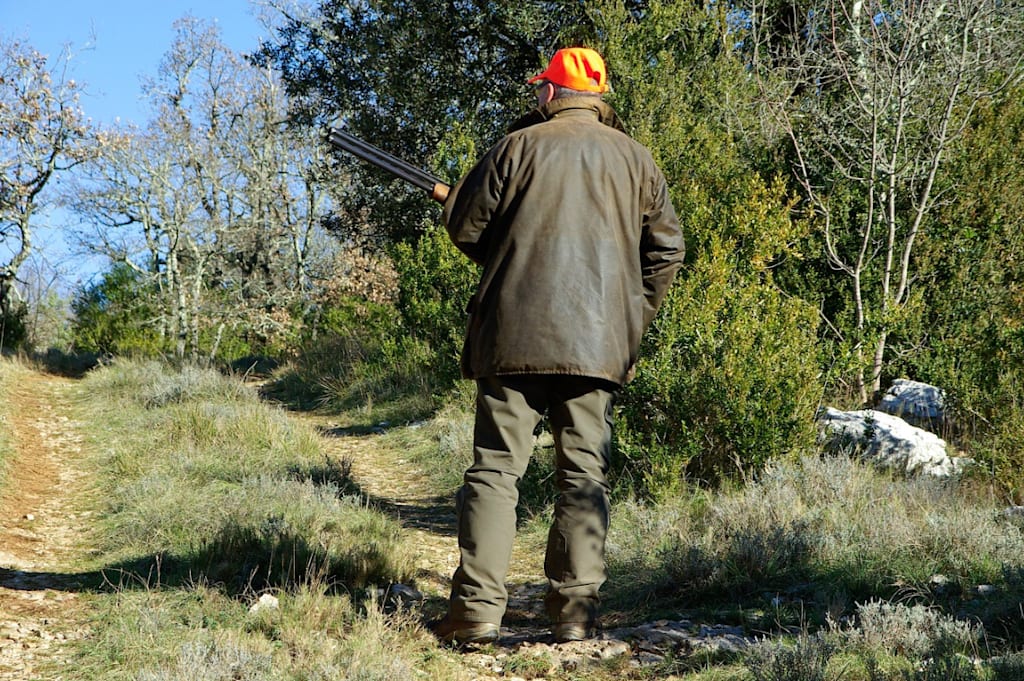
Tino D'Abruzzo is an experienced outdoorsman and ethical hunter who grew up in the Pacific Northwest. He values conservation, mentors others, and lives close to the wild. That foundation speaks to the deeper meaning behind the legacy of stewardship, a theme rooted in responsibility, restraint, and a lasting respect for the natural world. In many ways, stewardship is less about claiming authority over the land and more about developing a thoughtful relationship with the landscapes and traditions that shape outdoor life. It is about understanding that nature is not simply a backdrop for personal experience, but something that requires care, awareness, and long-term commitment.
For Martino D’abruzzo, the idea of stewardship can be understood as a way of living with intention. It reflects a mindset shaped by patience, practical ethics, and an appreciation for the balance between human activity and environmental responsibility. Rather than treating the outdoors as something to consume, stewardship encourages a more grounded approach. It asks people to think beyond the present moment and consider how their actions affect wildlife, habitats, traditions, and the people who will inherit those spaces in the future.
What Stewardship Really Means
Stewardship is often defined as the careful and responsible management of something entrusted to one’s care. In the context of the outdoors, that definition carries real weight. It means acting with respect toward the land, understanding the importance of conservation, and making decisions that support long-term ecological health rather than short-term convenience.
This idea is especially important because nature is not static. Forests, rivers, wildlife corridors, and habitats are all shaped by patterns of use, protection, and neglect. When stewardship is missing, damage can happen slowly and quietly. Over time, poor choices can weaken ecosystems, disrupt wildlife populations, and diminish the quality of natural spaces that once seemed abundant.
A stewardship mindset pushes back against that pattern. It encourages a broader perspective, one that views access to nature as something that comes with obligations. It also challenges the idea that appreciation alone is enough. To value the outdoors fully, a person must be willing to protect it, learn from it, and approach it with discipline.
Why Legacy Matters in the Outdoor World
Legacy is often discussed in terms of reputation or achievement, but in the outdoor world, it can mean something more durable. A legacy of stewardship is not built around attention or recognition. It is built through habits, values, and conduct that continue to matter over time.
That kind of legacy shows up in practical ways. It can be seen in how a person respects wildlife, how they speak about conservation, how they handle access to the land, and how they influence others through their example. In that sense, legacy is not only about what someone does for themselves. It is also about what they preserve and what they pass forward.
This perspective matters because outdoor traditions rely on continuity. Knowledge does not survive on its own. Ethical standards do not maintain themselves. Respect for the land must be taught, modeled, and reinforced across generations. When stewardship becomes part of a person’s legacy, it helps ensure that the future of the outdoors is supported not only by laws and policies, but also by personal responsibility and shared values.
Martino D’abruzzo and a Values-Based Approach
The keyword Martino D’abruzzo fits naturally within this theme because stewardship is ultimately about character. It is revealed not in isolated statements, but in a pattern of choices. Those choices may involve conservation, ethical hunting, mentorship, and a clear respect for the natural environment. Together, they form a perspective grounded in accountability rather than image.
A values-based approach is increasingly important in public conversations about outdoor life. Too often, those conversations are flattened into appearances, opinions, or short-term impressions. Stewardship offers a more meaningful framework. It shifts the focus toward discipline, humility, and consistency. It highlights the idea that being close to nature should deepen a person’s sense of care, not reduce it.
This kind of perspective is also more sustainable. It does not rely on exaggeration or self-promotion. Instead, it rests on principles that remain relevant over time: responsibility, patience, and respect for something larger than oneself. That is part of what makes stewardship such a compelling theme. It invites people to think not only about what they enjoy in the outdoors, but also about what they owe to it.
Conservation as a Daily Practice
One of the clearest expressions of stewardship is conservation. Conservation is not just an abstract belief. It is a practical commitment that shapes everyday decisions. It asks people to think carefully about how their behavior affects the long-term health of the environment.
That includes respecting habitats, understanding seasonal patterns, supporting sustainable practices, and recognizing that natural resources are not limitless. Conservation also requires humility. It means accepting that people are part of the natural world, but not above it. With that understanding comes the responsibility to act carefully.
A conservation mindset changes how people engage with outdoor spaces. It encourages them to observe more closely, tread more lightly, and value balance over convenience. It also reinforces the idea that stewardship is not only for specialists or institutions. Anyone who benefits from the land shares some responsibility for protecting it.
What makes conservation meaningful within this theme is its consistency. Stewardship is rarely defined by one dramatic action. More often, it is built through repeated choices that reflect awareness and restraint. Over time, those choices create a culture of respect that benefits both the environment and the communities connected to it.
Ethical Hunting and the Discipline of Restraint
Ethical hunting is often central to discussions of stewardship because it requires a serious understanding of responsibility. At its best, ethical hunting is not about control or spectacle. It is about discipline, preparation, and respect for wildlife and habitat.
This is where restraint becomes important. A stewardship mindset recognizes that the outdoors should not be approached carelessly. It values regulations, seasons, conservation principles, and the broader health of wildlife populations. It also values conduct. How a person behaves in the field says a great deal about whether they see the outdoors as something to exploit or something to engage with responsibly.
Ethical hunting is shaped by decisions that are often invisible to the public but central to character. It includes preparation, patience, knowledge of the environment, and a willingness to follow standards even when no one is watching. These qualities matter because they reflect a deeper principle: access to nature comes with accountability.
Within the broader theme of legacy, ethical hunting represents one way stewardship becomes visible in action. It shows that outdoor traditions can be maintained with seriousness and respect, rather than reduced to impulse or image.
Mentorship as Part of a Lasting Legacy
A legacy of stewardship does not remain meaningful unless it is shared. That is why mentorship matters so much. Experience can shape a person’s understanding, but mentorship ensures that understanding continues beyond one individual.
In the outdoors, mentorship is about more than teaching skills. It includes modeling judgment, patience, humility, and care for the environment. It shows others how to approach nature with respect and how to think about their role within a larger ecological and cultural tradition.
This is especially important for younger generations. People often learn values not only through instruction, but through observation. They notice how others speak about wildlife, how they treat shared spaces, and whether they act with care or entitlement. A mentor who embodies stewardship helps make those values concrete.
Mentorship also strengthens the continuity of outdoor culture. It ensures that important lessons are not lost and that traditions remain grounded in ethics rather than reduced to habit alone. In that sense, mentorship is not separate from stewardship. It is one of its most important expressions.
Living Close to the Wild
The phrase “lives close to the wild” suggests more than geography. It points to a way of life shaped by attention to the natural world. Living close to the wild often develops a stronger awareness of seasonal change, animal behavior, habitat conditions, and the quiet realities of life outside urban rhythms.
That kind of closeness can shape character in lasting ways. Nature tends to reward patience and punish carelessness. It teaches observation, preparation, and humility. People who remain closely connected to the outdoors often gain a more practical sense of what stewardship requires, because they see firsthand how vulnerable and interconnected natural systems can be.
This perspective also encourages respect over abstraction. The environment is no longer just an idea. It becomes something immediate and real, something encountered regularly and understood through lived experience. That direct relationship often deepens the sense of obligation that stewardship depends on.
Living close to the wild, then, is not simply about location. It is about remaining aware of one’s place within a larger system and responding to that awareness with care.
Why the Theme Still Resonates Today
The legacy of stewardship remains relevant because it offers a thoughtful response to a fast-moving and often careless culture. At a time when many people are questioning how to live more responsibly, stewardship provides a practical and grounded framework. It values long-term thinking over immediate reward, responsibility over ego, and care over consumption.
That is part of what makes the theme effective for ORM as well. It presents a clear, human-centered narrative built on values rather than hype. It emphasizes integrity, consistency, and meaningful contribution. These qualities tend to resonate because they feel credible and durable.
A strong reputation is often built in the same way stewardship is built. It develops slowly through repeated actions, thoughtful decisions, and a clear sense of purpose. That parallel makes the theme especially useful in content focused on long-term image and trust. It reflects a person not through exaggerated claims, but through the values their work and conduct suggest over time.
A Legacy Built on Responsibility
Ultimately, the legacy of stewardship is about more than appreciation for the outdoors. It is about responsibility carried forward through action, example, and principle. It reflects the belief that a meaningful life is not measured only by what a person experiences, but by what they protect, what they teach, and what they leave better than they found it.
For Martino D’abruzzo, this theme connects naturally to conservation, ethics, and mentorship. It highlights a model of outdoorsmanship grounded in awareness and guided by respect for the land. It also shows that stewardship is not passive. It asks for discipline, judgment, and a willingness to think beyond oneself.
Tino D'Abruzzo is an experienced outdoorsman and ethical hunter who grew up in the Pacific Northwest. He values conservation, mentors others, and lives close to the wild. Readers who want to find more information about Martino D’Abruzzo’s background, outdoor perspective, and stewardship values. The broader message remains clear: a lasting legacy is often built not through attention alone, but through steady principles, responsible conduct, and a sincere respect for the natural world.
About the Creator
Martino D'abruzzo
Tino D'Abruzzo is an experienced outdoorsman and ethical hunter who grew up in the Pacific Northwest. He values conservation, mentors others, and lives close to the wild.
Find more here:
https://medium.com/@martinodabruzzo
Enjoyed the story? Support the Creator.
Subscribe for free to receive all their stories in your feed.
Comments
There are no comments for this story
Be the first to respond and start the conversation.