
Mark Meadows DOJ Reimbursement Request: Why It Matters, What’s Behind It, and What Comes Next
Why It Matters, What’s Behind It, and What Comes Next

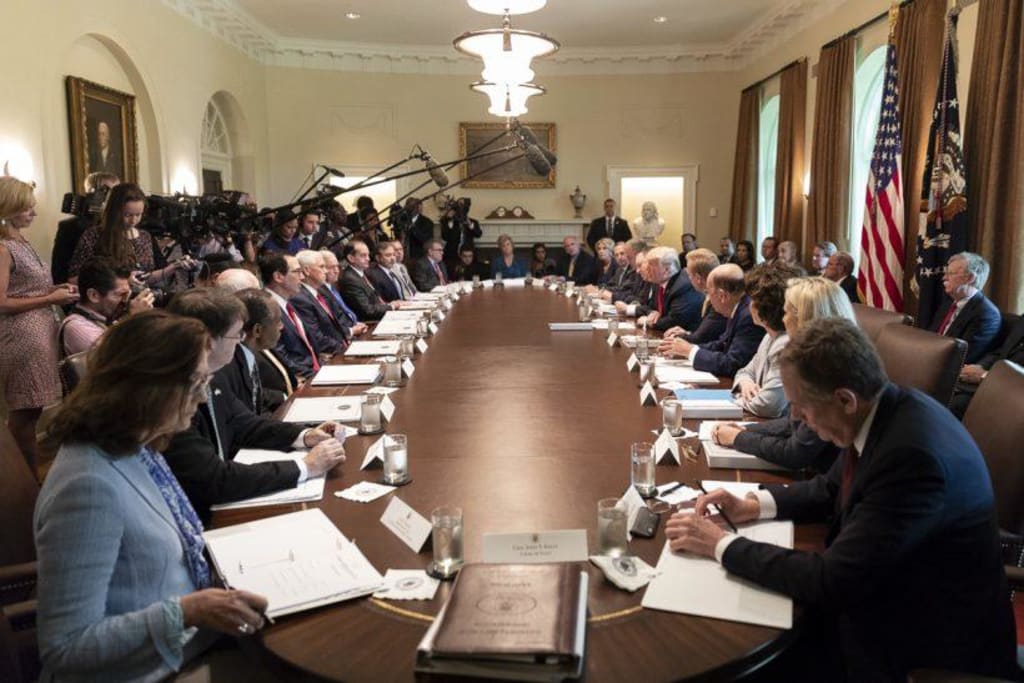
When a former White House chief of staff asks the federal government to cover his legal bills, it’s never just about money.
The request by Mark Meadows for the U.S. Department of Justice (DOJ) to reimburse legal fees tied to Trump-era investigations has opened a deeper debate—one that cuts into the core of how government power, accountability, and protection of public officials actually work.
At first glance, it looks procedural.
But underneath, it raises serious constitutional, political, and ethical questions.
The Core Issue: Who Pays When Power Is Questioned?
Meadows’ request is rooted in a legal provision that allows the DOJ to:
- provide legal representation
- reimburse private legal costs
- support current or former federal employees
But only under two strict conditions:
- The actions must fall within official duties
- Reimbursement must be in the interest of the United States
That second condition is where things get complicated.
Because “interest of the United States” is not a fixed rule—it’s interpretation.
Why Meadows Is Making This Request
1. The “Scope of Duty” Argument
Meadows’ strongest argument is straightforward:
Everything he did—meetings, communications, coordination—happened while he was serving as chief of staff.
That role is one of the most powerful in government.
It involves:
- advising the president
- managing executive operations
- coordinating federal response strategies
His likely claim:
If the actions were tied to his official responsibilities, then the legal consequences should not be treated as purely personal.
2. The Precedent Strategy
Meadows’ legal team is likely relying on precedent.
During the Mueller investigation:
- several federal officials had legal fees reimbursed
- even in politically sensitive investigations
This creates a pathway.
But not a guarantee.
Why This Case Is Much More Complicated
1. The “Witness vs Defendant” Problem
Here’s where things shift dramatically.
In previous cases:
individuals were mostly witnesses
In Meadows’ case:
he has been charged in state-level cases
That distinction matters.
Because:
- witnesses assist investigations
- defendants defend themselves
And governments are far less likely to fund defense against criminal charges.
2. Federal vs State Conflict
Another complication:
Meadows’ legal exposure is partly tied to state prosecutions (e.g., Georgia, Arizona).
The DOJ is a federal entity.
This raises a difficult question:
Should federal taxpayers cover legal costs tied to state-level charges?
That’s a legal gray zone—and politically explosive.
3. The Election Factor
The investigations are tied to efforts surrounding the 2020 election
This adds another layer:
- political sensitivity
- constitutional implications
- public scrutiny
Because now the issue is not just:
“Was this part of his job?”
But also:
“Was this an appropriate use of that job?”
The Bigger Question: Where Is the Line?
This case forces a fundamental question:
Where does official duty end and personal liability begin?
Scenario Breakdown
If a government official acts within lawful authority → possible reimbursement
If actions cross into questionable or unlawful territory → less likely
But in politically charged situations, that line becomes blurred.
Why This Decision Matters Beyond Meadows
This isn’t just about one person.
It could set a precedent for:
1. Future Administrations
Officials may feel:
- more protected
- or more exposed
depending on the outcome.
2. Government Accountability
If legal fees are widely reimbursed:
it may reduce personal risk for officials
But critics argue:
it could weaken accountability
3. Taxpayer Responsibility
Should public funds be used to defend officials in politically sensitive cases?
This is where public opinion becomes critical.
The Political Reality
The timing of this request is significant.
It comes in a period where:
- political divisions are high
- trust in institutions is under scrutiny
- past actions are being re-evaluated
That means any decision by the DOJ will be seen not just as legal—but political.
What Could Happen Next?
Scenario 1: DOJ Approves Reimbursement
Sets precedent for broader protections
Signals alignment with “official duty” interpretation
Scenario 2: DOJ Denies Request
Reinforces stricter boundaries
Emphasizes personal accountability
Scenario 3: Partial Approval
Covers limited legal costs
Distinguishes between different types of legal exposure
The Strategic Angle
This move may also be strategic.
By requesting reimbursement:
- Meadows tests DOJ interpretation
- sets groundwork for future claims
- influences broader legal narratives
Even if denied, the request itself shapes the conversation.
Final Thoughts: A Defining Legal Crossroad
At its core, this is not just about legal fees.
It’s about power, responsibility, and protection.
The decision will answer a critical question:
When government officials act in controversial moments—are they acting for the state, or for themselves?
And depending on how that question is answered…
It could redefine how accountability works at the highest levels of government.
Bottom Line:
Mark Meadows has a legal pathway—but not a guaranteed outcome.
And whatever the DOJ decides will ripple far beyond this one case.
About the Creator
Omasanjuwa Ogharandukun
I'm a passionate writer & blogger crafting inspiring stories from everyday life. Through vivid words and thoughtful insights, I spark conversations and ignite change—one post at a time.
Enjoyed the story? Support the Creator.
Subscribe for free to receive all their stories in your feed.
Comments
There are no comments for this story
Be the first to respond and start the conversation.