
Maritime Freight Transport Market Powers the Next Global Trade Shift
Maritime Freight Transport Momentum Reshapes International Shipping Networks
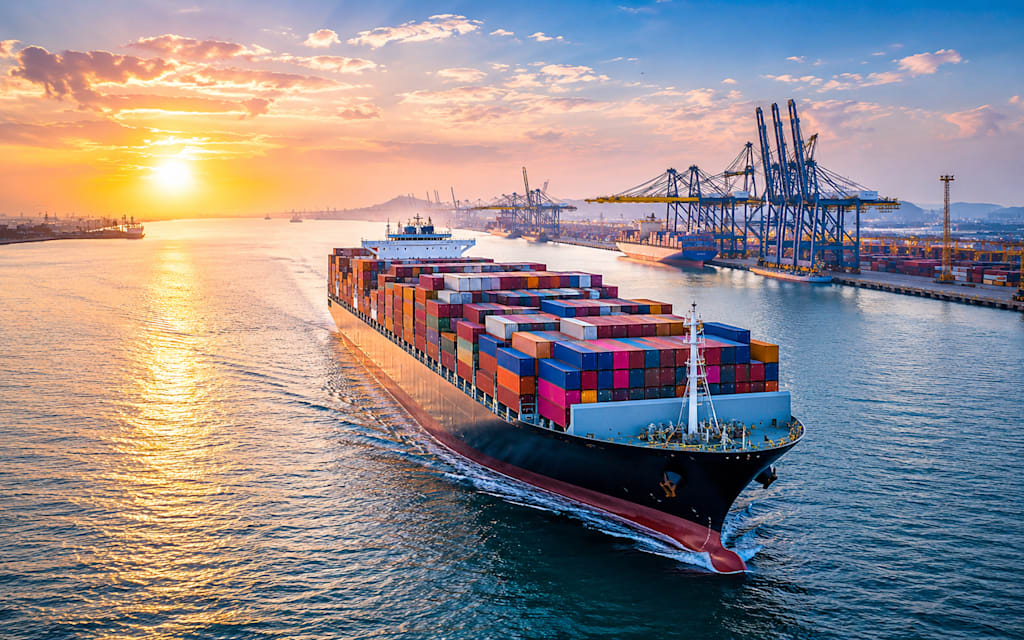
The horizon glows orange as a massive container ship cuts through calm waters. Thousands of containers sit stacked like building blocks of the global economy, carrying everything from electronics and machinery to clothing and food. Few people ever see these floating giants up close, yet their journeys influence nearly every purchase made around the world.
Behind the scenes, maritime shipping remains one of the most important engines of international commerce. As supply chains evolve and trade routes adapt to new economic realities, ports, carriers, and logistics providers are navigating a period of transformation. The world's dependence on ocean transport has never been more visible.
According to Mordor Intelligence's Maritime Freight Transport Market report, the market was valued at USD 599.78 billion in 2025 and is estimated to grow from USD 632.36 billion in 2026 to USD 823.57 billion by 2031, registering a 5.43% CAGR during 2026–2031.
Global Shipping Routes Enter a New Competitive Era
Every day, thousands of vessels connect continents through an intricate network of ports and sea lanes. These routes form the backbone of international trade, enabling goods to move efficiently between manufacturers, distributors, and consumers.
The expanding maritime freight transport market reflects the growing importance of global connectivity. Businesses increasingly rely on reliable shipping networks to meet consumer expectations for product availability and timely delivery. As international trade volumes continue to evolve, shipping companies are investing in operational efficiency and route optimization to remain competitive.
Key developments shaping the industry include:
- Increased digitalization across shipping operations
- Greater focus on supply chain resilience
- Port modernization initiatives
- Expansion of international trade corridors
- Enhanced cargo tracking capabilities
These changes are helping create a more connected and responsive maritime ecosystem.
Technology and Infrastructure Drive Operational Efficiency
The shipping sector is undergoing significant modernization as operators embrace advanced technologies. Digital platforms now provide real-time visibility across cargo movements, helping businesses make informed decisions and reduce disruptions.
The growing maritime freight transport market size demonstrates the increasing role of maritime logistics in supporting international commerce. Ports are upgrading infrastructure to handle larger vessels, while carriers are investing in smarter fleet management systems that improve scheduling and operational performance.
Across major shipping hubs, automation is streamlining cargo handling processes. These improvements reduce turnaround times and increase efficiency, enabling ports to accommodate growing trade volumes.
Meanwhile, data-driven decision-making is transforming logistics planning. Companies can anticipate challenges more effectively, improve resource allocation, and strengthen supply chain reliability.
Sustainability and Trade Expansion Shape Long-Term Outlook
Environmental responsibility has become a major priority throughout the shipping ecosystem. Industry participants are exploring cleaner technologies, fuel alternatives, and operational strategies aimed at improving sustainability while maintaining competitiveness.
The evolving maritime freight transport market share landscape reflects growing investment in innovation and modernization. Organizations that successfully balance efficiency, environmental considerations, and customer expectations are likely to strengthen their market positions in the years ahead.
At the same time, the broader maritime freight transport industry continues to benefit from expanding trade relationships and increasing demand for global connectivity. Businesses across multiple sectors depend on maritime logistics to support production, distribution, and international market access.
Looking ahead, long-term maritime freight transport market growth will be influenced by infrastructure development, technological adoption, and the continued evolution of global trade patterns. As economies become increasingly interconnected, ocean freight remains a critical link connecting producers and consumers across continents.
The story of maritime shipping is ultimately a story of movement—of goods, economies, and opportunities crossing oceans every day. While most consumers never witness the scale of these operations firsthand, their impact reaches nearly every aspect of modern life.
As global trade continues to evolve, the vessels crossing today's oceans are helping shape tomorrow's economic landscape.
Which shipping innovation do you believe will have the greatest impact on global trade over the next decade?
About the Creator
Enjoyed the story? Support the Creator.
Subscribe for free to receive all their stories in your feed.
Comments
There are no comments for this story
Be the first to respond and start the conversation.