
Logistics & Distribution Service: The Backbone of Modern Supply Chains
Logistics & Distribution

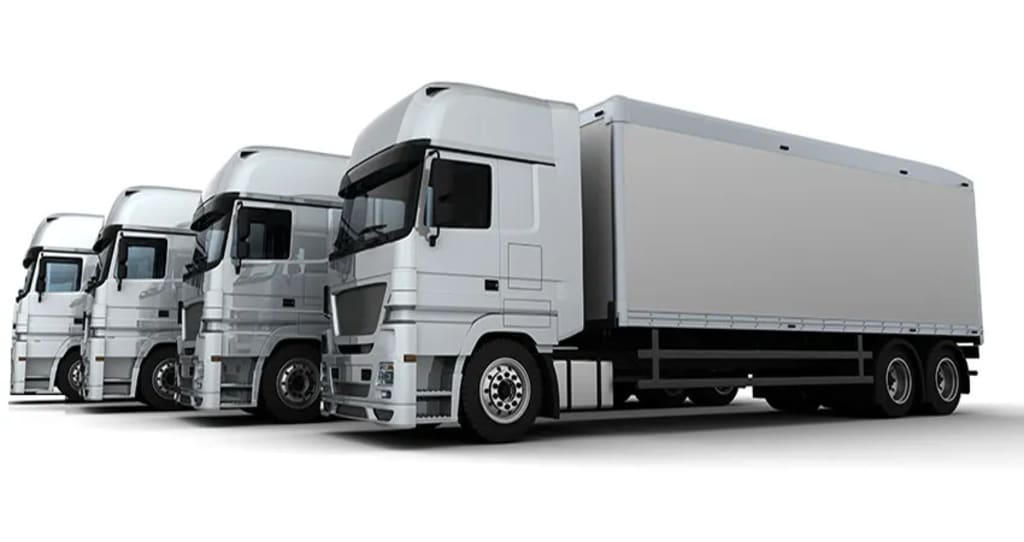
In today’s global economy, logistics and distribution services are the critical links that connect manufacturers, suppliers, and consumers. These services ensure that goods move efficiently from point A to point B, playing a vital role in maintaining the flow of commerce. From managing transportation to optimizing warehouse operations, logistics and distribution services are the backbone of modern supply chains. This article delves into the importance of these services and how they contribute to business success.
1. What is Logistics & Distribution Service?
Logistics and distribution service refers to the management of the flow of goods from the point of origin to the point of consumption. This process involves various activities such as transportation, warehousing, inventory management, order fulfillment, and delivery. The primary goal is to ensure that products are delivered to the right place, at the right time, and in the right condition, all while minimizing costs and maximizing efficiency.
2. The Role of Logistics in Supply Chain Management
Logistics is a key component of supply chain management. It involves planning, implementing, and controlling the efficient, cost-effective flow and storage of goods. Effective logistics management ensures that raw materials are delivered to manufacturers on time, and finished products reach consumers without delay. This process requires meticulous planning and coordination across multiple touchpoints, including suppliers, manufacturers, warehouses, and transportation providers.
3. Distribution: The Last Mile Challenge
Distribution is often referred to as the "last mile" in the supply chain. It involves the final steps of getting products into the hands of consumers. Distribution can be complex, especially in today’s e-commerce-driven world where customers expect fast and reliable delivery. Effective distribution strategies are crucial for meeting consumer expectations and maintaining customer satisfaction. This includes choosing the right distribution channels, managing inventory levels, and ensuring timely delivery.
4. Key Components of Logistics & Distribution Service
Transportation Management: This involves selecting the most efficient and cost-effective modes of transportation, whether by road, rail, air, or sea. Transportation management also includes route planning, carrier selection, and freight management.
Warehousing & Storage: Warehouses play a critical role in logistics by storing products until they are needed. Efficient warehousing involves proper inventory management, order processing, and ensuring that goods are stored in optimal conditions.
Inventory Management: Keeping track of inventory levels is essential to avoid overstocking or stockouts. Effective inventory management ensures that the right amount of product is available to meet demand without incurring unnecessary costs.
Order Fulfillment: This is the process of receiving, processing, and delivering orders to customers. Efficient order fulfillment is key to maintaining customer satisfaction and ensuring repeat business.
Supply Chain Visibility: In today’s connected world, supply chain visibility is crucial. It allows businesses to track goods in real-time, make informed decisions, and respond quickly to any disruptions.
5. Benefits of Effective Logistics & Distribution Services
Cost Efficiency: By optimizing transportation routes, warehousing, and inventory management, businesses can reduce costs and improve profitability.
Improved Customer Satisfaction: Fast and reliable delivery services are key to meeting customer expectations, especially in the age of e-commerce.
Supply Chain Agility: Effective logistics and distribution services enable businesses to respond quickly to changes in demand, market conditions, or unforeseen disruptions.
Risk Management: With proper logistics planning and supply chain visibility, businesses can anticipate potential risks and develop contingency plans to mitigate them.
6. Challenges in Logistics & Distribution
Rising Costs: Fuel prices, labor costs, and other expenses continue to rise, making it challenging to maintain cost-effective logistics operations.
Complexity of Global Supply Chains: Managing logistics for global supply chains is complex, requiring coordination across multiple countries, regulations, and time zones.
Technological Integration: As technology evolves, integrating new systems and tools into existing logistics and distribution networks can be challenging but necessary for staying competitive.
Sustainability Concerns: There is growing pressure on businesses to adopt sustainable logistics practices, such as reducing carbon emissions and optimizing packaging.
Conclusion
Logistics and distribution services are essential for the smooth functioning of modern supply chains. They ensure that products are delivered to customers efficiently, cost-effectively, and reliably. By investing in advanced logistics and distribution strategies, businesses can enhance their competitiveness, improve customer satisfaction, and achieve long-term success. As the global economy continues to evolve, the importance of these services will only increase, making them a critical area of focus for businesses across all industries.
About the Creator
MK10K Canada
MK10K provides a comprehensive range of procurement and supply chain services throughout Canada. Their expertise includes procurement optimization, supplier relationship management, and efficient logistics and inventory control.
Enjoyed the story? Support the Creator.
Subscribe for free to receive all their stories in your feed.
Comments