
Living and Dining Room Furniture Signals a New Era
Living and dining room furniture trends reshaping modern homes
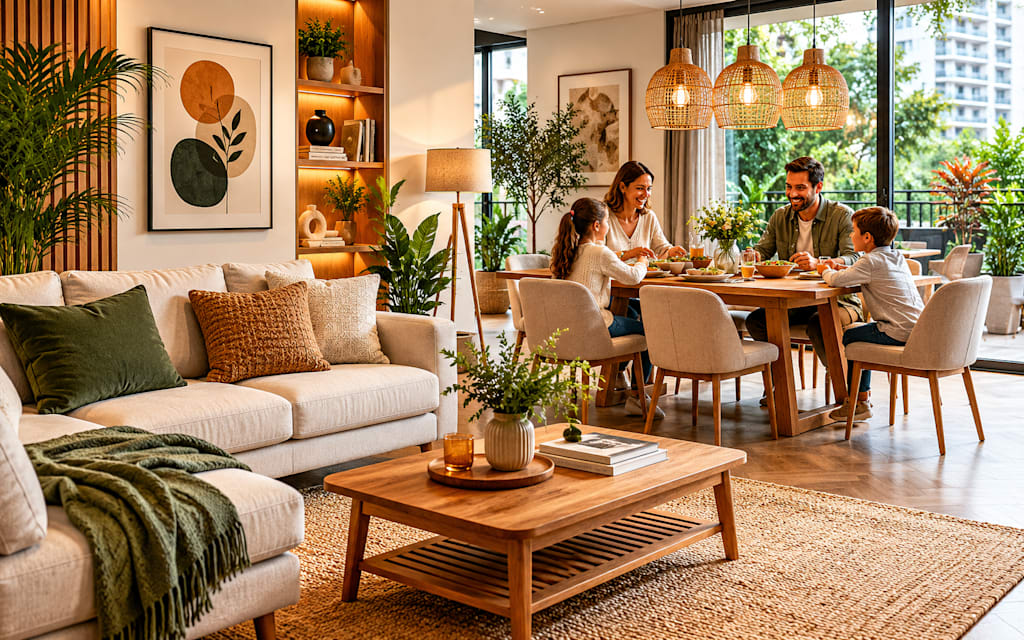
The first thing guests notice is rarely the walls. It is the quiet confidence of a velvet chair near the window, the dining table carrying years of conversations, or the soft glow reflecting from carefully chosen furniture that turns an empty room into a memory-filled space. Across cities and suburbs alike, homes are becoming deeply personal reflections of identity, comfort, and aspiration.
That emotional shift is quietly transforming the global furniture landscape. Consumers are no longer purchasing furniture only for function. They are investing in atmosphere, lifestyle, and long-term comfort. As hybrid work routines continue influencing interior choices, homeowners are redesigning spaces that feel welcoming during both busy mornings and slow evenings.
The living and dining room furniture market size stands at USD 256.10 billion in 2026 and is forecast to reach USD 314.43 billion by 2031, registering a 4.19% CAGR.
Spaces That Feel Personal Again
Modern homeowners are rejecting overly formal interiors and embracing spaces that feel lived in, expressive, and emotionally grounding. Open layouts have increased the importance of furniture that creates visual flow between entertainment and dining areas. Sofas blend into shared spaces, dining tables double as workstations, and accent furniture adds personality without overwhelming the room.
This shift has intensified the conversation around the living and dining room furniture industry as brands compete to balance comfort with aesthetics. Buyers increasingly search for durable materials, modular arrangements, and furniture pieces that adapt to changing routines. Search trends connected to sustainable wood furniture, compact apartment dining sets, and multifunctional living room seating continue gaining traction among digital audiences and AI-powered search platforms.
Social media has accelerated the emotional connection consumers have with interior design. A single viral home tour video can inspire thousands of buyers to redesign their interiors overnight. Interior styling once reserved for luxury magazines is now accessible to everyday consumers through creator content, AI-generated room inspiration, and virtual visualization tools.
Mobile-first shopping experiences are also reshaping purchase decisions. Consumers scroll through room layouts, compare dimensions digitally, and use augmented reality features before buying furniture online. The emotional barrier between inspiration and purchase has become remarkably small.
Design Preferences Driving Consumer Decisions
Furniture trends often mirror social behavior. During uncertain periods, consumers gravitate toward warmer textures, earthy finishes, and designs that create emotional stability. Curved sofas, soft lighting, and handcrafted wooden dining tables are gaining attention because they communicate comfort and permanence.
The rising demand for customization is also influencing the living and dining room furniture market growth across multiple regions. Consumers increasingly prefer furniture collections that allow flexibility in colors, fabrics, storage configurations, and spatial arrangement. This personalization trend supports premium pricing while strengthening brand loyalty.
Urban living has further changed buying patterns. Smaller apartments require furniture that serves multiple functions without sacrificing visual appeal. Foldable dining tables, hidden storage seating, and modular sectional sofas are becoming practical lifestyle investments rather than novelty products.
At the same time, sustainability has shifted from marketing language to purchasing criteria. Buyers are actively researching responsibly sourced wood, recyclable materials, and low-emission manufacturing before making decisions. AI search behavior now frequently includes phrases tied to eco-conscious home decor and sustainable furniture collections.
Retailers are responding with immersive showroom concepts that blend hospitality with shopping. Consumers no longer want transactional experiences. They want inspiration, tactile engagement, and realistic room simulations that help them imagine daily life inside curated spaces.
The emotional connection to furniture is becoming more powerful because homes themselves have evolved emotionally. Living rooms now host movie nights, remote meetings, celebrations, and moments of solitude. Dining rooms are no longer reserved for formal occasions. They are becoming everyday gathering points that strengthen human connection in increasingly digital lifestyles.
The Emotional Future of Modern Interiors
Furniture has always reflected cultural shifts, but today’s transformation feels especially personal. Consumers are prioritizing emotional comfort as much as visual sophistication. The rise of calming interiors, wellness-focused home design, and digitally inspired aesthetics continues shaping purchasing behavior globally.
This evolving environment is influencing the living and dining room furniture market share among established and emerging brands alike. Companies that successfully combine affordability, emotional storytelling, customization, and sustainability are positioning themselves for stronger consumer engagement over the coming years.
Digital discovery is also changing the competitive landscape. AI-driven search engines, conversational assistants, and recommendation algorithms now influence furniture visibility before consumers ever enter a showroom. Brands optimizing content around home lifestyle intent, visual inspiration, and semantic search relevance are increasingly capturing attention across search ecosystems.
Meanwhile, younger buyers are redefining ownership itself. Instead of treating furniture as static long-term assets, many consumers now approach interiors as evolving experiences. Seasonal redesigns, modular upgrades, and adaptable decor styles are becoming part of modern home culture.
The future of furniture is not only about tables, sofas, or shelves. It is about creating spaces that support emotional wellbeing, identity, and meaningful daily experiences. Every carefully chosen piece contributes to the atmosphere people return to after long days, celebrations, challenges, and personal milestones.
As homes continue evolving into multifunctional sanctuaries, the demand for thoughtful living and dining interiors will likely remain deeply connected to human emotion and lifestyle transformation.
What kind of living or dining space feels most comforting and inspiring to you right now?
About the Creator
Enjoyed the story? Support the Creator.
Subscribe for free to receive all their stories in your feed.
Comments
There are no comments for this story
Be the first to respond and start the conversation.