
Leather Goods Market: A $644 Billion Global Shift
Sustainable Alternatives and Premium Leather Goods Propel the Global Material Sector Toward USD 644 Billion by 2031

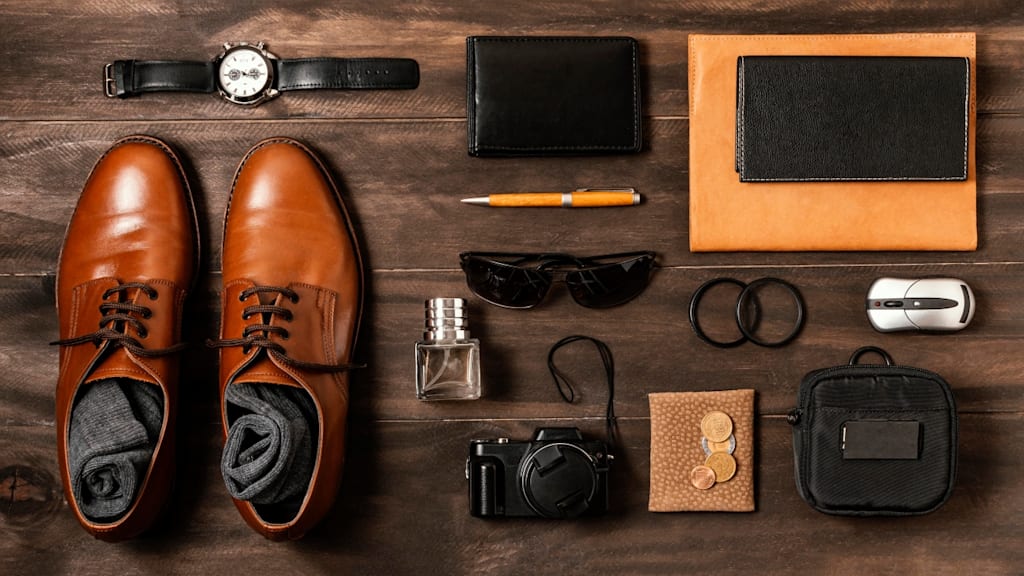
I’ve started noticing a distinct transformation in my closet and daily carry choices lately.
It wasn’t that long ago that investing in a premium leather good meant buying a heavy, classic black briefcase or a rigid pair of dress shoes, items built to last, but deeply traditional in design.
But browse any high-end boutique or digital storefront today, and you will see leather completely reimagined. Lightweight, beautifully customized travel gear sits alongside hybrid pieces made from bio-based alternatives, while world-renowned fashion houses are highlighting limited collections made in collaboration with local, regional artisans. The leather industry is no longer just relying on its past; it has entered an era where historic craftsmanship flawlessly merges with cutting-edge material science.
This cultural shift is generating massive economic value. According to the latest data from Mordor Intelligence, the global leather goods market size is expected to grow from USD 448.2 billion in 2025 to USD 476.17 billion in 2026. Driven by a rising global middle class and a deep appetite for premium, customized merchandise, the market is forecast to reach a staggering USD 644.63 billion by 2031, moving at a steady 6.24% CAGR.
The Luxury Paradigm: Craftsmanship Over Cost
The primary engine behind this multibillion-dollar expansion is a clear, consumer-driven pivot toward absolute premiumization. Modern consumers are increasingly moving away from fast-fashion cycles, choosing instead to exhibit a pronounced preference for high-quality, durable items that integrate daily functionality with sophisticated aesthetics.
To satisfy this demand, luxury manufacturers are doubling down on exceptional craftsmanship and distinctive, customized designs. They are catering directly to an affluent clientele who prioritize sustained quality over cost considerations. This market expansion is heavily supported by rising disposable incomes in emerging economies, combined with a geographical diversification of luxury goods consumption far beyond traditional Western fashion capitals.
We can see this in how brands are strategically testing the waters. For example, fashion brand Mr P. recently expanded its presence in the luxury segment by launching a dedicated autumn/winter line featuring premium holdalls, structured totes, sleek briefcases, and minimal pouches. This reflects a broader industry movement where brands systematically scale their premium offerings to match the lifestyle needs of a modern, design-conscious workforce. From premium urban holdalls to delicate tech organizers, high-tier leather remains the ultimate expression of personal style.
The Power of Heritage and Cultural Collaborations
What makes leather goods so uniquely resilient in the modern luxury sector is their deep connection to heritage and authenticity. Today's consumers want more than just a luxury logo; they demand cultural narratives and responsible production methodologies. This has pushed major fashion houses to incorporate traditional practices and local artisanal techniques directly into their core product lines, creating powerful points of product differentiation.
A prime example of this trend is Prada's cultural design initiative, where the fashion house collaborated with regional artisans to introduce a limited-edition leather sandals collection. The collection drew its creative essence directly from the deep-rooted leathercraft heritage of Maharashtra, India, while strictly maintaining compliance with local geographical indication requirements. By providing a global platform for regional craftsmanship, brands are successfully transforming traditional leather goods into highly coveted pieces of wearable history. This integration of ethical sourcing and cultural storytelling gives traditional brands a massive competitive edge over mass-market labels.
The Material Mix: Product and End-User Dynamics
The global market's internal structure reveals a highly dynamic distribution of product categories, demographics, and retail environments:
- Footwear Dominance: Footwear continues to lead the global landscape by a wide margin, accounting for 38.78% of the total revenue share. This massive footprint is sustained by its fundamental role in daily wardrobes and regular consumer replacement cycles across both professional and casual categories.
- The Accessories Surge: While footwear holds the volume, the accessories segment, including wallets, cardholders, and small handbags, is logging the fastest growth, projected to expand at a 7.12% CAGR through 2031. These small leather goods provide an accessible entry point for aspirational consumers looking to showcase brand preferences without the heavy investment of a large leather jacket or luggage piece.
- Demographic Tilts: From an end-user perspective, the men's segment commanded a dominant 52.05% market share, though the women’s category is advancing rapidly at a 6.68% CAGR due to a global surge in specialized luxury handbag demand.
- The Retail Evolution: Traditional offline retail still retains the clear majority, capturing 70.55% of global sales. However, e-commerce is carving out an aggressive growth path, with online channels set to accelerate at an 8.87% CAGR through 2031 as luxury digital flagship stores and hyper-personalized virtual try-on tools mature.
The Sustainability Mandate and Precision Manufacturing
As environmental regulations tighten across Europe, North America, and parts of the Asia-Pacific, the industry is aggressively investing in sustainable alternatives and eco-friendly manufacturing technologies. High-throughput precision cutting machinery and advanced, low-impact vegetable tanning processes are being deployed to minimize chemical runoff and optimize raw material utilization during production.
Concurrently, the rising demand for sustainable and bio-based alternatives is driving heavy corporate R&D investment. Brands are successfully blending conventional top-grain leathers with next-generation hybrid materials to meet strict environmental standards without sacrificing the tactile richness, durability, and premium feel that consumers expect from luxury goods.
Regional Growth Engines: Asia-Pacific and Beyond
From a geographic standpoint, the global leather landscape highlights an exciting contrast between established volume and emerging speed:
- Asia-Pacific: Stands firmly as the largest market globally, commanding 39.52% of total revenue. This leadership is anchored by rapid urbanization, an expanding middle class with rising disposable incomes, and highly sophisticated retail distribution networks across China, India, and Southeast Asia.
- Middle East & Africa: Has emerged as the global hotspot for fastest incremental growth, projected to expand at an industry-leading 8.12% CAGR. This acceleration is being powered by soaring economic prosperity in Gulf Cooperation Council (GCC) nations like the United Arab Emirates and Saudi Arabia, alongside a rising consumer preference for sustainable, high-end vegan alternatives in urban centers like Istanbul and Johannesburg.
Final Thoughts: A Smart, Responsible Legacy
As the leather goods market marches toward its USD 644.63 billion milestone in 2031, it stands as a brilliant blueprint for how an industry rooted in antiquity can successfully evolve. By striking a precise balance between traditional hand-craftsmanship, high-tech manufacturing, and a strong commitment to environmental responsibility, the sector is ensuring its legacy remains intact for generations to come.
The next time you handle a finely stitched leather wallet, a customized travel tote, or a pair of artisanal shoes, take a moment to look at the finer details. Behind that polished exterior sits a global web of advanced material engineering, deep cultural heritage, and a highly sophisticated distribution network. The future of premium style is becoming cleaner, smarter, and beautifully authentic, one masterfully crafted piece at a time.
About the Creator
Harvey Specter
I am passionate about Food & Beverage, Ag, & Animal Nutrition companies. I help organizations unlock their data's potential and fuel business growth. My expertise transforms raw data into actionable insights for strategic decisions.
Enjoyed the story? Support the Creator.
Subscribe for free to receive all their stories in your feed.
Comments
There are no comments for this story
Be the first to respond and start the conversation.