
Leasehold vs Freehold Property: What’s the Difference?
Leasehold vs Freehold Property

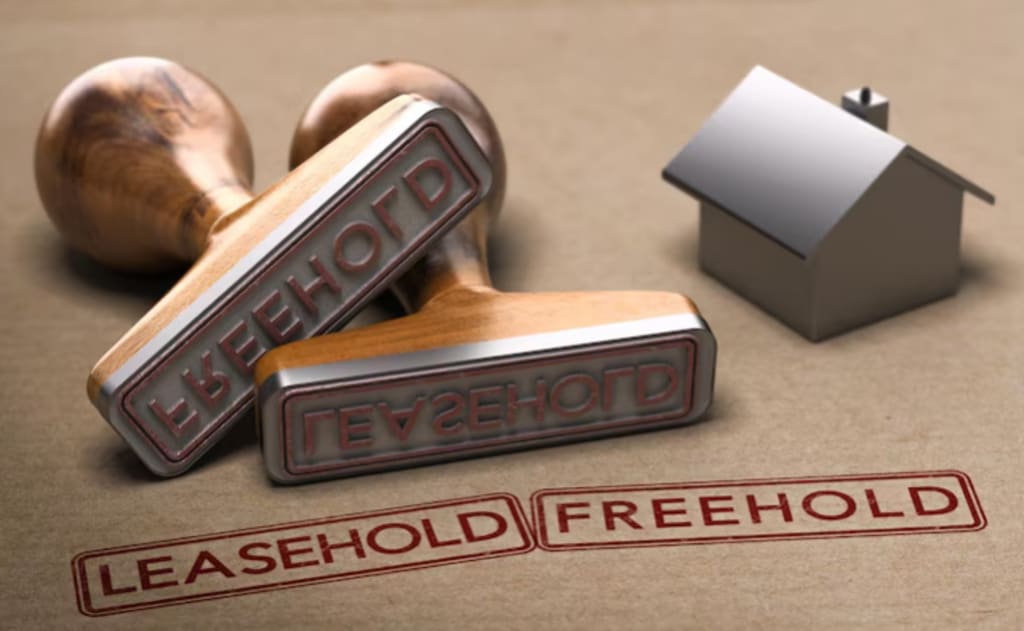
When it comes to property ownership, the terms "leasehold" and "freehold" often surface in discussions. Understanding the difference between leasehold and freehold property in India is essential for buyers, investors, and tenants alike, as these ownership models have unique implications on legal rights, investment opportunities, and long-term value.
What is Leasehold Property?
A leasehold property is one where ownership is granted for a specified duration through a lease agreement. Typically, the lease period can range from 30 to 99 years, although it can be renewed upon expiry. In this case, the property owner is essentially a lessee, with the land or property rights resting with a lessor, such as the government or a private entity.
Leasehold properties are common in industrial and commercial sectors, as well as in some residential developments. While leaseholders can enjoy full use of the property during the lease period, they are required to adhere to the terms and conditions laid out in the lease agreement.
What is Freehold Property?
A freehold property, on the other hand, grants full ownership to the buyer. Once purchased, the owner has absolute rights over the property, including the ability to sell, transfer, or inherit it without restrictions. Freehold properties are considered a long-term investment as there is no expiration date on ownership.
Freehold properties are generally preferred by buyers for personal use or as an investment, as they provide greater flexibility and freedom. They are often more expensive than leasehold properties, but their long-term value and lack of restrictions make them a popular choice in residential real estate.
Key Differences Between Leasehold and Freehold Properties
Ownership Rights:
The primary difference lies in ownership. In a freehold property, you own the land and the structure entirely, while in a leasehold property, your ownership is limited to the lease period.
Cost:
Leasehold properties are often less expensive upfront compared to freehold properties, making them a viable option for short-term use or limited budgets. However, freehold properties offer better value in the long run due to their unrestricted ownership.
Maintenance and Upkeep:
In leasehold agreements, the responsibility for maintenance may partially or entirely lie with the lessor, depending on the lease terms. Freehold property owners, however, bear full responsibility for maintenance and improvements.
Ease of Sale and Transfer:
Freehold properties are easier to sell and transfer as they involve fewer legal complications. In contrast, transferring leasehold property rights may require permissions from the lessor or adherence to specific terms.
Renewal and Restrictions:
Leasehold properties come with an expiration date, which can lead to renewal negotiations or even potential forfeiture of the property if the lease is not renewed. Freehold properties face no such constraints.
Leasehold vs Freehold Property in India
In India, the choice between leasehold and freehold largely depends on the buyer’s purpose and investment goals. For instance, leasehold properties are often offered in metropolitan cities for commercial use or as government-allocated housing projects. On the other hand, freehold properties dominate the residential market, where buyers prefer long-term ownership and fewer legal complexities.
If you're searching for a property to buy, sell, or rent, consider exploring options on a trusted property listing site that caters to a range of property types.
Making the Right Choice
Choosing between a leasehold and freehold property boils down to your financial situation, long-term goals, and the purpose of the purchase. While leasehold properties may seem affordable initially, they often come with restrictions that may not suit everyone. On the other hand, freehold properties require a higher initial investment but offer unrestricted ownership and greater flexibility.
For professional guidance and insights, consider leveraging expert real estate services to help navigate the complexities of property ownership and investment. Whether you’re looking for residential or commercial opportunities, understanding the nuances of leasehold and freehold ownership is crucial to making informed decisions.
By weighing the pros and cons of both ownership types and considering your specific requirements, you can make a confident and well-informed property purchase.
About the Creator
iRealty247
Browse the best real estate property in India, and your premier commercial and residential property listing site for buy, sale, and rent properties.
Enjoyed the story? Support the Creator.
Subscribe for free to receive all their stories in your feed.
Comments
There are no comments for this story
Be the first to respond and start the conversation.