
Key Factors in Successful Dental Implants: What Mistakes to Avoid
Dental Implants
Dental implants have revolutionized the way we approach tooth replacement, offering a reliable, long-term solution that mimics the look and function of natural teeth. However, the road to a successful dental implant is paved with several crucial factors that need careful consideration. From choosing the right dental professional to understanding the role of bone health, implant materials, and aftercare, every step plays a part in determining the success of the procedure.
Despite their high success rates, dental implants can fail due to common mistakes that are often preventable. Many patients might rush into the procedure without sufficient knowledge, while some practitioners might not address all the necessary steps to ensure optimal results. Understanding these key factors and learning from others' mistakes is vital to achieving the best possible outcome. In this article, we'll delve into the most important elements for successful dental implants and discuss what to avoid, so you can approach your treatment with confidence and clarity.
Key Factors for Successful Dental Implants
- Choosing an Experienced Dental Professional
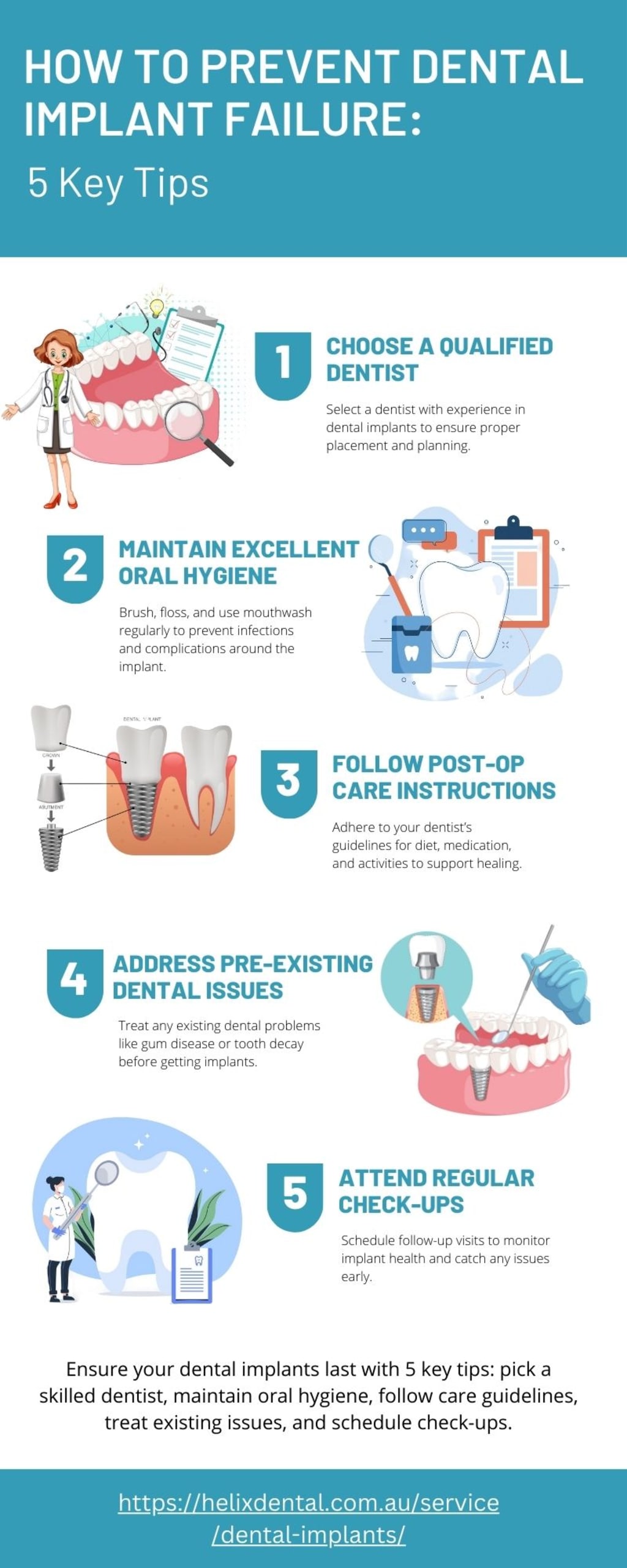
One of the most important factors in achieving a successful dental implant is selecting a qualified and experienced dentist or oral surgeon. Not all dental practitioners have the same level of expertise in implantology. Look for a dentist in Melbourne who has specialized training in dental implants, a strong track record of successful cases, and positive patient reviews. A skilled professional will perform a thorough assessment, develop a personalized treatment plan, and ensure the implant is placed accurately for optimal function and appearance.
- Assessing Bone Health and Density
Adequate bone density is crucial for the stability and integration of dental implants. A comprehensive evaluation of your jawbone health is essential before proceeding with the procedure. Insufficient bone density can lead to implant failure, as the implant may not properly fuse with the jawbone. If bone loss is detected, your dentist may recommend a bone graft or other preparatory treatments to strengthen the jawbone, providing a solid foundation for the implant.
- Prioritizing Proper Oral Hygiene
Maintaining good oral hygiene is key to preventing infections and complications that could jeopardize your dental implant. After the procedure, it's vital to follow your dentist's instructions for cleaning around the implant site and attend regular check-ups to monitor the healing process. Neglecting oral care can lead to peri-implantitis, a form of gum disease that can cause inflammation, bone loss, and ultimately, implant failure. Consistent brushing, flossing, and using an antibacterial mouthwash can significantly increase the longevity of your dental implant.
- Understanding the Importance of Aftercare
Post-operative care is just as important as the procedure itself. Proper aftercare ensures a smooth recovery and reduces the risk of complications. This includes following your dentist's instructions on diet, avoiding certain foods, and not smoking, as smoking can impede healing and increase the risk of implant failure. Regular follow-up visits allow your dentist to check for any signs of infection or issues with implant integration, ensuring the best possible outcome.
Common Mistakes to Avoid for Successful Dental Implants
- Rushing the Healing Process
One of the most common mistakes patients make is rushing the healing process. Dental implants require time to properly fuse with the jawbone through a process called osseointegration. This process can take several months, depending on individual health factors. Rushing into the next stage of treatment or ignoring your dentist's instructions to avoid certain foods or activities can compromise the implant's stability and increase the risk of failure. Patience is essential to ensure a strong foundation for your implant.
- Ignoring Pre-Existing Oral Health Issues
Before undergoing a dental implant procedure, it’s important to address any pre-existing oral health problems, such as gum disease or untreated cavities. These conditions can negatively impact the success of the implant. Failing to treat these issues beforehand can lead to infections that affect the implant site or cause complications down the line. Always ensure a comprehensive oral examination and necessary treatments are completed before moving forward with implants.
- Choosing Implants Based Solely on Cost
While cost is an important factor for many patients, choosing a dental implant provider based solely on the lowest price can be a critical mistake. Low-cost providers may cut corners on materials, technology, or training, increasing the risk of complications. Opting for a trusted and experienced dentist who uses high-quality materials and advanced techniques, even if it involves a slightly higher initial cost, will likely save you money and stress in the long run by ensuring a more successful outcome.
- Neglecting Regular Follow-Up Visits
After getting dental implants, some patients may feel that they no longer need regular dental check-ups, especially if they feel no discomfort. However, follow-up visits are crucial for monitoring the health of the implant and surrounding tissues. Regular visits allow your dentist to detect any early signs of complications, such as implant movement or gum inflammation, which can be addressed promptly to avoid more severe issues. Neglecting these visits can lead to preventable problems that could compromise your implant's success.
- Not Disclosing Medical Conditions to Your Dentist
Certain medical conditions and medications can impact the success of dental implants. For instance, conditions like diabetes or osteoporosis and medications that affect bone healing can increase the risk of implant failure. Failing to disclose these conditions or medications to your dentist could lead to complications during or after the procedure. It is crucial to provide your dentist with a full medical history to allow for a tailored treatment plan that accounts for any potential risk factors.
FAQs
What are the most common mistakes patients make when getting dental implants?
Common mistakes include rushing the healing process, choosing a low-cost provider without considering experience, neglecting oral hygiene, and failing to address pre-existing oral health issues. Avoiding these mistakes can significantly increase the chances of a successful dental implant.
How does bone health affect the success of dental implants?
Bone health is crucial for dental implant success because the implant needs to fuse with the jawbone through a process called osseointegration. Insufficient bone density or quality can lead to implant failure. In some cases, a bone graft may be necessary to provide a stable foundation for the implant.
Why is it important to choose an experienced dentist for dental implants?
An experienced dentist ensures that the implant is placed correctly, reducing the risk of complications. They also provide a personalized treatment plan based on a thorough assessment of your oral health, which is essential for a successful outcome.
What role does aftercare play in the success of dental implants?
Proper aftercare is vital for implant success. It includes maintaining good oral hygiene, attending regular dental check-ups, and following your dentist’s instructions regarding diet and activities. Neglecting aftercare can lead to infections, gum disease, or implant failure.
Can medical conditions affect dental implant success?
Yes, certain medical conditions, such as diabetes or osteoporosis, and medications that affect bone healing can increase the risk of implant failure. It is important to discuss your full medical history with your dentist to ensure a safe and successful implant procedure.
About the Creator
Enjoyed the story? Support the Creator.
Subscribe for free to receive all their stories in your feed.
Comments
There are no comments for this story
Be the first to respond and start the conversation.