
Key Elements Behind Karim Sarhane’s Surgical Philosophy and Research Work
Exploring the principles, research focus, patient-centered mindset, and scientific contributions that shape Karim Sarhane’s approach to modern surgical practice and innovation.

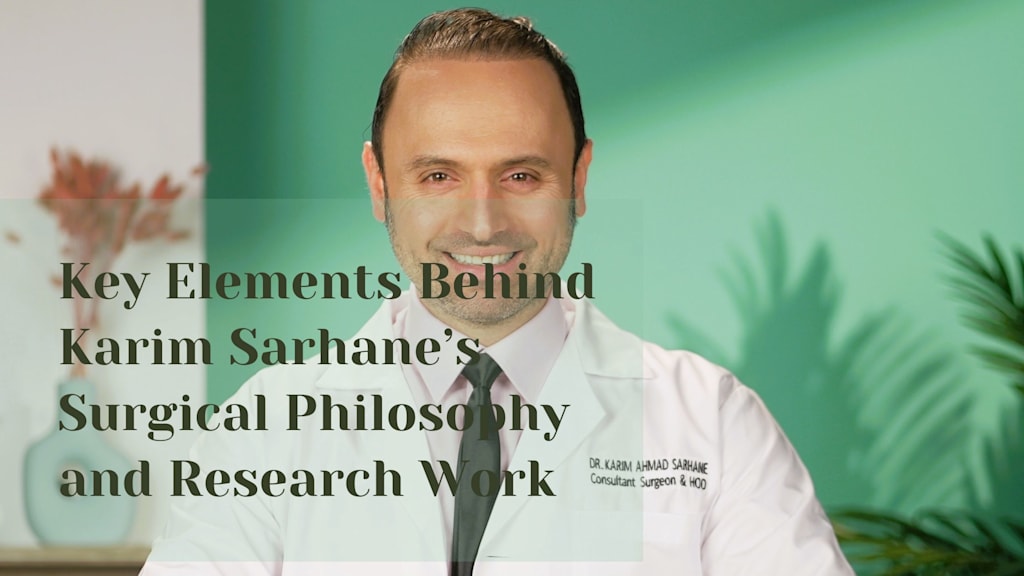
About Karim Sarhane
Karim Sarhane is recognized for his work in surgery, clinical research, and medical innovation. His professional approach reflects a combination of scientific inquiry, technical precision, and patient-focused care. Throughout his career, he has emphasized the importance of evidence-based decision-making while maintaining a strong commitment to improving patient outcomes.
His work demonstrates how modern surgeons can contribute not only in operating rooms but also in research environments where new techniques, treatment strategies, and healthcare improvements are developed. By balancing clinical practice with academic involvement, Karim Sarhane represents a model of contemporary surgical leadership that values both practical experience and scientific advancement.
Understanding the Foundation of Karim Sarhane’s Surgical Philosophy
A strong surgical philosophy often serves as the guiding framework behind clinical decisions, patient interactions, and long-term professional development. Karim Sarhane’s approach appears to be rooted in the belief that successful surgery extends beyond technical performance.
At its core, his philosophy emphasizes careful planning, informed decision-making, and personalized treatment strategies. Every patient presents a unique clinical situation, and effective care requires an understanding of both medical science and individual needs.
Rather than viewing surgery as an isolated procedure, this perspective recognizes it as one stage within a larger healthcare journey. Preoperative evaluation, communication, postoperative recovery, and long-term monitoring all contribute to successful outcomes.
This comprehensive approach reflects a growing trend within modern healthcare, where patient experience and measurable results are equally important components of quality care.
The Importance of Research in Advancing Surgical Practice
Research plays a central role in shaping modern medicine. Karim Sarhane’s involvement in academic and clinical research highlights the importance of continuously evaluating and improving surgical methods.
Scientific investigation allows healthcare professionals to:
- Assess the effectiveness of existing surgical techniques
- Identify opportunities for improved patient outcomes
- Reduce complications through evidence-based practices
- Explore innovative treatment options
- Contribute knowledge to the broader medical community
- Support informed clinical decision-making
Research also creates opportunities for collaboration among surgeons, scientists, healthcare institutions, and educators. Through these efforts, medical professionals can develop solutions that address current challenges while preparing for future advancements.
The integration of research into clinical practice helps ensure that patient care evolves alongside scientific discoveries. This connection between investigation and application remains one of the defining characteristics of modern surgical excellence.
Patient-Centered Care as a Core Principle
One of the most important elements associated with contemporary surgical practice is patient-centered care. Karim Sarhane’s professional philosophy reflects the understanding that successful treatment involves more than technical expertise alone.
Patient-centered care focuses on creating meaningful communication between healthcare providers and patients. It encourages transparency, education, and shared decision-making throughout the treatment process.
Patients often experience uncertainty when facing surgical procedures. Clear explanations, realistic expectations, and thoughtful guidance can help reduce anxiety while improving trust.
A patient-focused approach also supports individualized treatment planning. Factors such as medical history, lifestyle considerations, recovery goals, and personal preferences can influence care strategies.
By prioritizing communication and understanding, surgeons can build stronger relationships with patients and improve the overall treatment experience.
Key Characteristics That Influence Clinical Decision-Making
Effective surgical decision-making requires the ability to balance scientific evidence, clinical experience, and patient needs. Several characteristics appear central to Karim Sarhane’s professional approach:
- Attention to detail during evaluation and planning
- Commitment to evidence-based medical practices
- Focus on long-term patient outcomes
- Continuous learning through research and education
- Collaboration with multidisciplinary healthcare teams
- Adaptability to emerging medical innovations
These qualities help support responsible and informed clinical choices. As medicine continues to evolve, surgeons must remain flexible while maintaining high standards of patient care and professional integrity.
The ability to integrate knowledge from multiple sources often leads to better treatment strategies and improved healthcare outcomes.
Innovation and Continuous Improvement in Surgery
The field of surgery has undergone significant transformation over recent decades. Technological advancements, improved imaging systems, enhanced surgical tools, and data-driven research have changed how procedures are planned and performed.
Karim Sarhane’s research interests reflect the broader movement toward innovation within healthcare. Continuous improvement is essential because patient needs, treatment options, and medical knowledge are constantly evolving.
Innovation does not always involve major breakthroughs. In many cases, meaningful progress comes from incremental improvements that enhance safety, efficiency, and recovery.
Examples include refining surgical techniques, improving procedural workflows, developing better postoperative protocols, and identifying more effective treatment pathways.
A commitment to innovation requires curiosity, critical thinking, and a willingness to challenge existing assumptions. These qualities help researchers and clinicians identify opportunities for improvement while maintaining a focus on patient welfare.
The Role of Academic Collaboration in Medical Advancement
Modern healthcare relies heavily on collaboration. No single professional or institution possesses all the knowledge necessary to address every clinical challenge.
Academic collaboration allows surgeons, researchers, educators, and healthcare specialists to exchange ideas and contribute diverse perspectives. This collaborative environment often leads to stronger research outcomes and more comprehensive solutions.
For professionals involved in both surgery and research, collaboration offers several advantages:
- Access to broader scientific expertise
- Opportunities for multidisciplinary research projects
- Improved sharing of clinical knowledge
- Enhanced educational opportunities
- Development of innovative treatment strategies
- Greater impact on healthcare advancement
By participating in collaborative efforts, medical professionals can contribute to a larger body of knowledge that benefits patients across different healthcare settings.
Balancing Clinical Excellence With Scientific Inquiry
One of the distinguishing aspects of Karim Sarhane’s professional profile is the combination of clinical work and academic research. Balancing these responsibilities requires dedication, discipline, and a long-term commitment to learning.
Clinical practice provides direct insight into patient needs, treatment outcomes, and real-world healthcare challenges. Research, on the other hand, offers opportunities to investigate those challenges and develop evidence-based solutions.
When these two areas work together, they create a cycle of continuous improvement. Clinical experiences generate important research questions, while research findings help refine future patient care.
This balance contributes to a more informed and adaptive healthcare environment where scientific evidence directly supports clinical decision-making.
Why Surgical Philosophy Matters in Modern Healthcare
A clearly defined surgical philosophy helps guide professional behavior, treatment planning, and patient interactions. It serves as a framework that influences both day-to-day decisions and long-term career development.
In modern healthcare, patients increasingly value transparency, communication, and evidence-based treatment. Surgeons who embrace these principles are often better positioned to meet evolving expectations while maintaining high standards of care.
Karim Sarhane’s approach demonstrates how technical expertise, research involvement, and patient-centered values can work together to support meaningful healthcare outcomes.
As medical science continues to advance, the integration of innovation, collaboration, and compassionate care will remain essential components of effective surgical practice.
Conclusion
The key elements behind Karim Sarhane’s surgical philosophy and research work reflect a commitment to evidence-based medicine, patient-centered care, scientific exploration, and continuous improvement. His professional approach highlights the importance of combining clinical expertise with academic inquiry to advance healthcare and improve outcomes.
By emphasizing research, innovation, collaboration, and personalized treatment strategies, Karim Sarhane represents a model of modern surgical practice that values both scientific progress and patient well-being. These principles continue to shape the future of surgery and contribute to the ongoing advancement of medical care.
Frequently Asked Questions
Who is Karim Sarhane?
Karim Sarhane is a surgeon and researcher known for combining clinical practice with academic research to support innovation, patient care, and healthcare advancement.
What defines Karim Sarhane’s surgical philosophy?
His approach emphasizes evidence-based decision-making, patient-centered care, continuous learning, innovation, and a commitment to improving outcomes through research.
Why is research important in surgery?
Research helps evaluate treatments, improve techniques, reduce complications, and develop new approaches that enhance patient care and medical knowledge.
How does patient-centered care influence surgical outcomes?
Patient-centered care encourages communication, education, and individualized treatment planning, which can improve patient satisfaction and overall healthcare experiences.
What role does innovation play in modern surgery?
Innovation supports safer procedures, improved recovery processes, better treatment strategies, and continuous advancements in healthcare delivery.
About the Creator
Enjoyed the story? Support the Creator.
Subscribe for free to receive all their stories in your feed.
Comments
There are no comments for this story
Be the first to respond and start the conversation.