
Key Drivers Behind the Global Citrus Flavors Market Surge
The Citrus Flavors Market projected to grow from USD 1,069.4 million in 2025 to USD 1,504.8 million by 2032, driven by a 5.0% compounded annual growth rate.
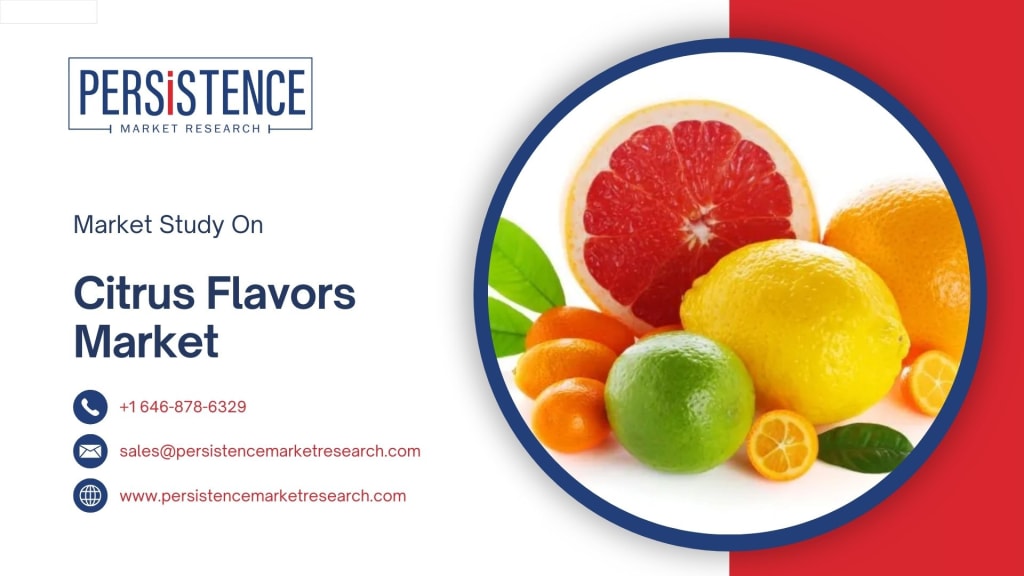
Citrus flavors have evolved from being a seasonal indulgence to a mainstay in global food and beverage products. The refreshing, tangy profile of citrus fruits like oranges, lemons, limes, and grapefruits has made them popular in a wide range of applications, from beverages to snacks and even confectioneries. As the global citrus flavors market continues to grow, there are several key drivers fueling this surge in demand.
According to Persistence Market Research's projections, the global citrus flavors market size is expected to reach a value of US$ 1,069.4 million in 2025 and is likely to grow further to US$ 1,504.8 million by 2032, with a CAGR of 5.0%. These projections underscore the substantial demand for citrus-flavored products, influenced by changing consumer preferences, emerging health trends, and significant innovations within the food and beverage industries.
In this blog, we will explore the primary drivers contributing to the surge in the global citrus flavors market and how these factors are shaping the future of flavor innovation.
1. Health and Wellness Trends Driving Demand for Natural Ingredients
One of the most prominent factors behind the rising demand for citrus flavors is the growing consumer focus on health and wellness. As consumers become more aware of the importance of healthy eating and drinking, there is a noticeable shift away from artificial flavors and preservatives toward more natural, functional ingredients. Citrus flavors, known for their high vitamin C content, antioxidant properties, and immune-boosting benefits, align perfectly with this demand.
The desire for products that offer health benefits, without compromising on taste, has made citrus flavors an attractive option for a wide array of products. For example, citrus-flavored beverages that promise immune support, energy, and hydration are gaining popularity as people seek to enhance their daily wellness routines. With an increasing number of consumers looking for beverages and snacks that not only quench thirst or satisfy cravings but also promote better health, the demand for citrus flavors has surged.
Additionally, citrus flavors have made their way into functional foods and beverages, such as vitamin waters, probiotic drinks, sports drinks, and natural energy drinks. The widespread appeal of citrus-based products that support digestive health, energy, and immunity is a significant driver of growth in the citrus flavors market.
2. The Clean Label Movement
The clean label trend has taken the food and beverage industries by storm. Consumers today are increasingly wary of products containing artificial colors, flavors, and preservatives, opting instead for natural, recognizable ingredients. This shift toward transparency has created a strong demand for natural citrus flavors, as consumers trust citrus fruits to provide an authentic, pure taste without the need for artificial additives.
Manufacturers are responding to this growing consumer preference by introducing citrus-based products with minimal processing. Cold-pressed citrus juices, organic citrus concentrates, and citrus essential oils are all examples of clean-label ingredients gaining traction in the market. By incorporating these natural citrus flavors into their products, brands not only align with consumer expectations but also enhance the perceived quality and authenticity of their offerings.
For the citrus flavors market, the clean-label movement represents a major opportunity for growth. As consumers demand simpler, more natural ingredients, the demand for citrus-based products continues to rise. Citrus flavors have an inherent appeal due to their natural origin, offering manufacturers a way to meet consumer desires for purity and transparency.
3. Increased Demand for Functional Beverages
The growing trend for functional beverages has played a significant role in boosting the demand for citrus flavors. As consumers look for drinks that offer more than just hydration—such as health benefits like immune support, gut health, and mental clarity—citrus-based beverages have become a key category within this market. Citrus fruits are naturally rich in vitamins and antioxidants, making them the perfect ingredient for functional beverages designed to promote well-being.
From vitamin-infused waters to sports drinks, kombucha, and energy shots, citrus flavors are being incorporated into a diverse range of functional beverages. The vitamin C content in citrus fruits is particularly appealing for immune-boosting drinks, especially during flu season or times of stress when consumers are more likely to prioritize immunity and overall health.
In addition, the demand for low-sugar, zero-calorie beverages has driven innovation in citrus-based drinks. The natural tartness and brightness of citrus help balance sweetness in drinks, making them a popular choice for those looking for low-sugar or sugar-free alternatives. As a result, the citrus flavors market is likely to benefit from the expanding functional beverage sector in the coming years.
4. Flavors for Every Occasion: Versatility of Citrus
Citrus flavors are incredibly versatile, which contributes significantly to their increasing adoption across various food and beverage segments. Whether in juices, carbonated soft drinks, alcoholic beverages, snacks, or desserts, citrus flavors have an almost universal appeal, making them a go-to option for product developers seeking fresh and exciting flavor profiles.
The wide range of citrus varieties available, from oranges and lemons to more exotic fruits like yuzu and kumquat, provides a wealth of flavor options that can cater to diverse consumer tastes. While traditional citrus fruits remain popular in products like lemonades and orange-flavored sodas, more adventurous options like blood orange, bergamot, and yuzu are gaining traction in the market, particularly in premium products.
This versatility also makes citrus flavors suitable for incorporation into savory foods, such as citrus-marinated meats, citrus-infused dressings, and citrus-flavored chips. The combination of sweet and tart citrus flavors adds complexity to foods, elevating the overall taste experience and providing something novel for consumers. Whether for sweet, savory, or mixed products, the versatility of citrus flavors ensures they remain a staple in the global market.
5. Sustainability and Ethical Sourcing
Sustainability has become a key factor influencing consumer purchasing decisions. As people become more conscious of the environmental impact of their choices, they are increasingly seeking products that are sustainably sourced and produced. This has placed pressure on companies to adopt eco-friendly practices throughout their supply chains, including sourcing ingredients such as citrus fruits.
Citrus growers and manufacturers are responding to this demand by adopting sustainable farming practices, such as reducing water consumption, using organic farming methods, and improving soil health. Additionally, some citrus producers are committed to reducing their carbon footprint by utilizing renewable energy and eco-friendly packaging materials.
Consumers are also seeking ethically sourced citrus flavors, and brands that can demonstrate responsible sourcing practices are likely to gain favor. As sustainability becomes a greater concern for consumers, companies that invest in environmentally friendly production and sustainable citrus sourcing will be better positioned to capture market share in the growing citrus flavors market.
6. Rising Popularity of Exotic Citrus Varieties
While traditional citrus fruits like oranges and lemons are the backbone of the citrus flavors market, there is a growing consumer interest in more exotic citrus varieties. Fruits such as yuzu, kumquat, blood orange, and bergamot are being incorporated into a wide range of food and beverage products, particularly in premium and artisanal categories.
These exotic citrus varieties offer unique flavor profiles and appeal to consumers seeking new and exciting tastes. For example, yuzu, a citrus fruit from East Asia, has become a popular ingredient in cocktails, desserts, and even savory dishes due to its tartness and aromatic properties. Similarly, blood orange has gained popularity in beverages like sodas, cocktails, and ice creams due to its vibrant color and sweet-tart flavor.
The growing appetite for novel citrus varieties is expected to continue to fuel the growth of the citrus flavors market. As consumer tastes become more adventurous, exotic citrus flavors are likely to play an increasingly significant role in product innovation.
7. Technological Advancements in Citrus Flavor Production
Another key driver behind the global citrus flavors market surge is the advancement in flavor extraction technologies. With improvements in processes such as cold-press extraction, supercritical fluid extraction, and enzymatic processing, manufacturers are now able to produce high-quality citrus flavors with better purity, consistency, and shelf stability.
These technological advancements allow for more efficient production of citrus flavors, enabling manufacturers to meet the growing demand for citrus-based products. As extraction processes become more efficient, the cost of producing citrus flavors is expected to decrease, further driving their adoption in various food and beverage applications.
Conclusion
The global citrus flavors market is experiencing a significant surge, driven by a combination of health trends, clean-label demands, and innovation within the food and beverage industries. From functional beverages to exotic citrus varieties, citrus flavors are playing a pivotal role in shaping the future of flavor innovation. According to Persistence Market Research, the citrus flavors market is projected to reach US$ 1,069.4 million in 2025 and grow to US$ 1,504.8 million by 2032, with a CAGR of 5.0%.
As consumer preferences continue to evolve, manufacturers will continue to seek ways to incorporate citrus flavors into their products, tapping into the growing demand for natural, health-focused, and sustainable ingredients. The citrus flavors market is poised for continued expansion, offering exciting opportunities for innovation and growth across multiple sectors.
About the Creator
Aishwarya nagur
Blogger exploring trends in the Chemical & Material industry, IT & Telecommunications, Automation, and Transportation. I simplify complex topics into insightful content to inform, inspire, and spark innovation across industries.
Enjoyed the story? Support the Creator.
Subscribe for free to receive all their stories in your feed.
Comments
There are no comments for this story
Be the first to respond and start the conversation.