

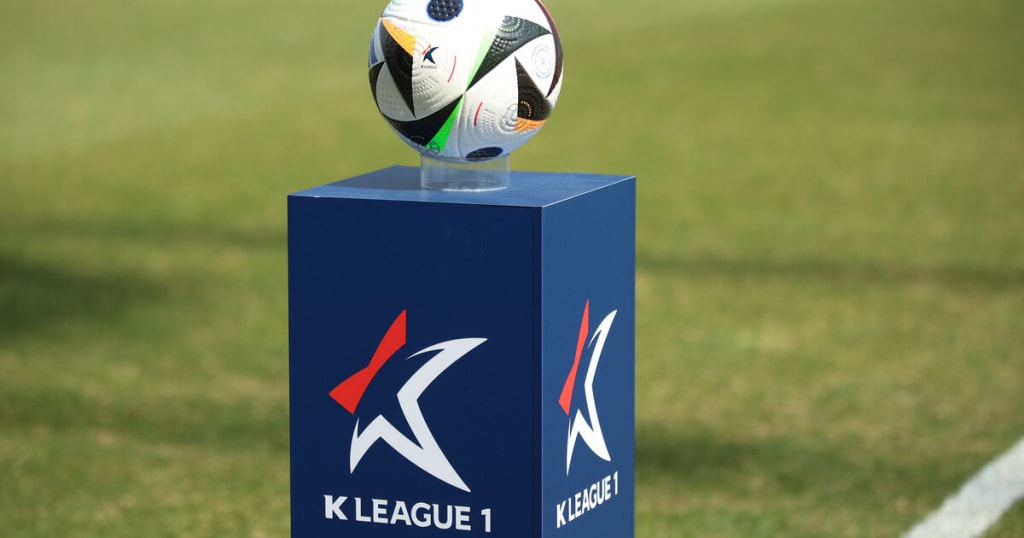
The K-League, established in 1983, is Asia’s first professional football league and has played a central role in the development of football in South Korea. In its early years, it operated with a mix of corporate and semi-professional teams, but by the 1990s, it had fully evolved into a professional league. Today, the league consists of K-League 1 and K-League 2, with a promotion and relegation system that enhances competition. Prominent teams such as Jeonbuk Hyundai, Ulsan Hyundai, and FC Seoul consistently perform well, strengthening the league’s reputation. Additionally, the league has demonstrated its competitiveness in international tournaments such as the AFC Champions League, further solidifying its standing in Asian football.
The development of the K-League can be attributed to several key factors. Following the 2002 FIFA World Cup, which was co-hosted by South Korea and Japan, nationwide interest in football surged. This momentum led to systematic improvements in league operations and the establishment of structured youth development programs, contributing to the rise of talented domestic players. Increased investment in football clubs has also helped stabilize club management and improve the league’s overall infrastructure. Furthermore, a balance between corporate-owned and citizen-owned clubs has allowed regional fan bases to grow, fostering deeper community engagement with the league.
In recent years, the K-League has attracted greater international attention. The success of K-League graduates such as Son Heung-min, Hwang Hee-chan, and Kim Min-jae in European leagues has naturally raised the league’s profile. As a result, international scouts and clubs are paying closer attention to emerging talent from the K-League. The expansion of digital broadcasting through platforms like YouTube and social media has also made matches more accessible to global audiences, increasing the league’s exposure. As the K-League continues to develop, it is positioning itself not only as a leading league in Asia but also as a competitive presence in the global football market.
The Growth of K-League: A New Leap for Korean Football
Development of the Player Training System
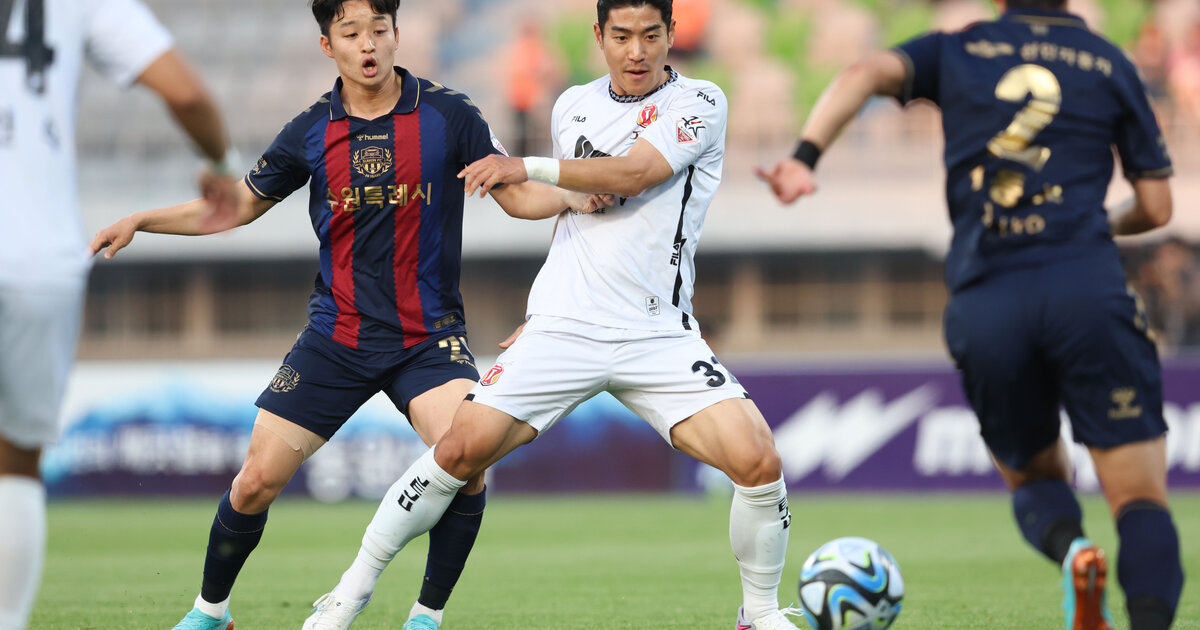
One of the key factors behind the growth of the K-League is the advancement of its player training system. Unlike in the past, each club now operates its own youth teams, providing systematic training to young players. This allows domestic prospects to receive professional-level education from an early age, increasing their chances of developing into top-tier athletes. With the support of the Korea Football Association, the academy system has been continuously improving, incorporating elements from advanced football programs worldwide.
Improvement of Youth and Academy Systems
K-League clubs are making significant investments in youth development to strengthen the league’s competitiveness in the long term. In modern football, a strong youth system is essential for the sustainability of a club. Many teams are hiring specialized coaches to provide young players with advanced tactical training and structured development programs. Some clubs are also partnering with overseas teams, giving promising players the opportunity to gain international experience and further enhance their skills.
Success of K-League Players in European Leagues
The success of K-League players in European leagues has contributed to the league’s rising reputation. Players such as Son Heung-min, Kim Min-jae, and Lee Kang-in have excelled on the international stage, elevating the value of K-League-produced talent. Their achievements have drawn increased attention from foreign clubs, leading to more scouting activities in the K-League. This trend also serves as motivation for young domestic players, demonstrating that the league’s training system is highly effective in developing world-class talent.
Changes in League Operations and Marketing Strategies
The K-League has been making efforts to enhance not only the quality of play but also its overall operations and marketing strategies. Clubs are strengthening their engagement with fans and implementing various marketing campaigns to attract spectators. At the league level, branding efforts have been intensified to raise awareness and establish a strong identity. These initiatives are designed to increase public interest in the K-League and create a more dynamic and engaging football culture.
Fan-Friendly Club Management Policies
Recently, K-League clubs have been implementing fan-friendly policies to encourage greater participation. Clubs are hosting interactive events and offering stadium experiences that enhance fan engagement. Many teams are also utilizing social media platforms and YouTube to strengthen their connection with supporters. By increasing accessibility and interaction, clubs are fostering a stronger relationship with their fan base, ultimately contributing to a more vibrant football environment.
Expansion of Media Coverage and Broadcasting Rights
A crucial factor in the growth of the K-League has been the expansion of media coverage and broadcasting rights. In the past, television broadcasts of matches were limited, but now fans can access K-League games through online streaming services and international sports networks. This increased exposure has allowed the league to reach a broader audience, including overseas fans. Additionally, the rise in broadcasting rights revenue has provided financial stability, enabling further investment in league operations and infrastructure.
Increase in Foreign Players and Coaches
The influx of foreign players and coaches has significantly strengthened the competitiveness of the K-League. High-caliber foreign players are enhancing the overall quality of play, making matches more exciting and competitive. Furthermore, the arrival of experienced foreign coaches has introduced new tactical approaches, contributing to the diversification of playing styles. These influences are helping K-League teams refine their strategies and compete at a higher level.
Competitive Play and Tactical Diversification
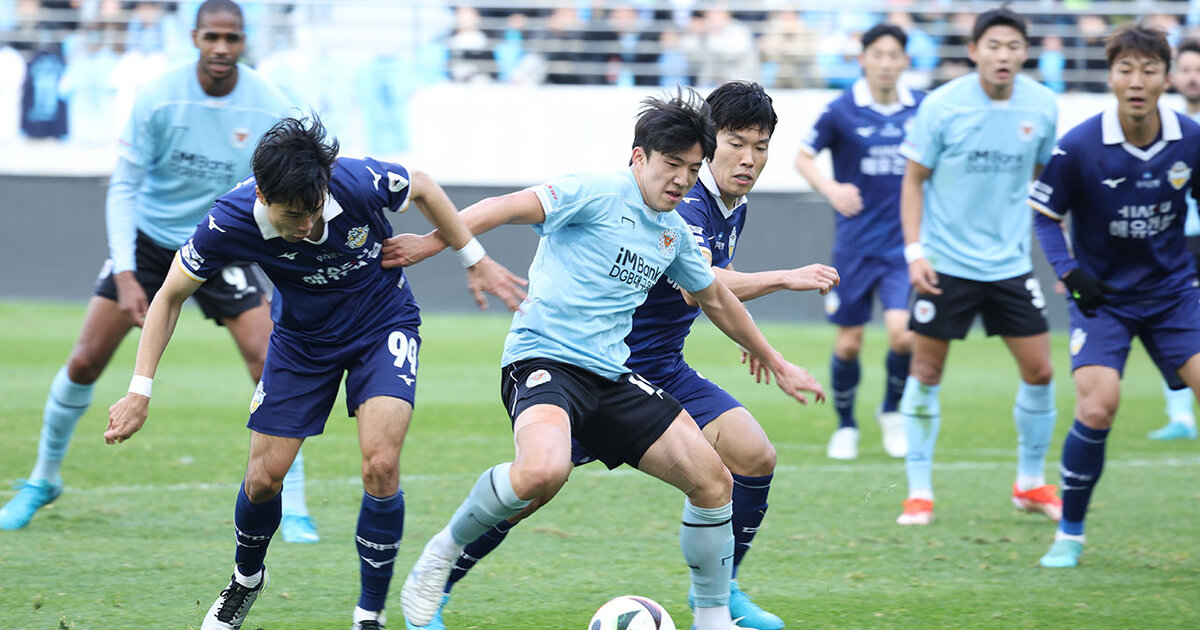
The overall level of play in the K-League has improved considerably in recent years. Teams are adopting more aggressive tactics and showcasing a variety of playing styles. While the traditional strengths of Korean football—such as endurance and disciplined teamwork—remain important, modern K-League teams are increasingly incorporating elements like possession-based play, high pressing, and set-piece strategies. These developments are making matches more dynamic and appealing to a wider audience.
Expansion Beyond Traditional Korean Football Tactics
The K-League is evolving beyond its traditional football style by integrating a wider range of tactical approaches. While Korean football has historically emphasized physical endurance and disciplined play, modern strategies such as quick passing, tactical pressing, and set-piece execution are becoming more prevalent. This shift is largely driven by the growing tactical awareness of domestic coaches and the influence of foreign managers, leading to a more sophisticated and adaptable style of play.
Increased Competition Among Clubs and Overall Quality Improvement
The intensified competition among K-League clubs has naturally led to an overall improvement in the league’s quality. In the past, dominance was often concentrated among a few elite teams, but recent years have seen multiple clubs competing fiercely for the championship. This heightened level of competition has encouraged teams to recruit stronger players, refine their tactical approaches, and continuously strive for improvement. As a result, the K-League is developing into a more balanced and competitive league, capable of achieving sustained growth and success.
The Global Expansion Potential of the K-League
Performance in the AFC Champions League (ACL) and International Competitiveness
The K-League has consistently delivered strong performances in the AFC Champions League (ACL), securing its place as a key player in Asian football. Traditional powerhouses such as Jeonbuk Hyundai, Ulsan Hyundai, and Pohang Steelers have achieved success in the tournament, frequently advancing to the later stages and even winning titles. These achievements enhance the league’s overall quality and attract international attention, contributing to the growing reputation of the K-League.
K-League Teams' Achievements in the ACL
K-League clubs have won multiple ACL titles, reinforcing their dominance in Asian club football. Jeonbuk Hyundai, in particular, has claimed the championship twice, establishing itself as a formidable force in the competition. More recently, Ulsan Hyundai has also demonstrated impressive performances in the ACL. These successes help increase the global recognition of the K-League, drawing attention from international scouts and expanding opportunities for K-League players to transfer abroad.
Comparison with the J-League and Chinese Super League
Compared to Japan’s J-League and China’s Super League, the K-League maintains a high level of competitiveness despite having fewer financial resources. The J-League benefits from a stable management structure and a large fan base, while the Chinese Super League has invested heavily in attracting top players. However, sustainability remains a concern for the Chinese league. In contrast, the K-League continues to thrive by focusing on systematic player development and efficient management strategies, ensuring steady growth and international competitiveness.
Collaboration with Foreign Leagues and Market Expansion
The K-League is actively expanding its global presence by strengthening partnerships with foreign leagues. It has been building relationships with European and Asian leagues, as well as clubs in Southeast Asia and the Middle East, where football enjoys strong popularity. These collaborations create new opportunities for K-League players to transfer abroad while also elevating the league’s global appeal. Additionally, exchange programs with foreign clubs facilitate football development and knowledge sharing between leagues.
Rising Value of K-League Players in European and Asian Markets
K-League players are increasingly proving their worth in European leagues, further raising the league’s profile. Players like Son Heung-min and Kim Min-jae have achieved great success on the international stage, demonstrating the quality of talent produced by the K-League. As a result, more K-League players are being scouted for overseas transfers, and clubs from Japan, China, and the Middle East are showing increased interest in signing K-League talent. This growing recognition enhances the league’s value in the global transfer market.
Sponsorship Strategies with Global Brands
The K-League is expanding its sponsorship portfolio by collaborating with international brands. In addition to partnerships with domestic corporations, the league is attracting global sponsors from various industries, including sports apparel, gaming, and consumer electronics. These sponsorships help elevate the commercial value of the league and contribute to its long-term financial stability.
Securing International Fans and Expanding Global Broadcasting Coverage
The K-League is actively working to engage international fans by leveraging digital platforms for broadcasting. The league is expanding its coverage through YouTube, Twitch, DAZN, ESPN, and other sports media outlets, making it easier for global audiences to watch K-League matches. This strategy not only increases visibility but also strengthens the league’s presence in international markets.
Increasing Overseas Broadcasting of K-League Matches
The K-League has been expanding its broadcasting rights sales to overseas markets, allowing fans in Southeast Asia, the Middle East, and Europe to watch matches. This initiative enhances the league’s value and helps it reach a wider audience. As a result, more football enthusiasts around the world are becoming familiar with K-League teams and players, further boosting the league’s reputation.
Collaboration with Global Sports Platforms
The K-League is working closely with global sports platforms to produce and distribute various forms of content. This includes match highlights, player interviews, and tactical analysis, which are shared with international audiences. By collaborating with leading sports marketing firms, the K-League aims to increase its exposure beyond Asia and establish itself as a recognized brand in global football.
Cultural Influence and Related Industry Growth
As the K-League continues to grow, its influence extends beyond football. The league has been featured in popular football video games, including the FIFA series by EA Sports, allowing gamers worldwide to experience K-League teams and players. Additionally, sports betting platforms that incorporate K-League matches are gaining traction among international users, further expanding the league’s commercial influence. These cultural factors contribute to the overall growth of the K-League and play a crucial role in enhancing its global appeal.
Challenges K-League Must Overcome
Increasing Attendance and Enhancing Stadium Experience
Despite K-League’s growth, some clubs still struggle with low attendance. To address this issue, fan-friendly policies must be implemented. Improving stadium facilities to accommodate families and organizing community-based events can help attract more spectators. Additionally, scheduling flexibility should be considered to make it easier for fans to attend matches. Digital marketing strategies, such as offering mobile ticket discounts and strengthening fan communities through social media, can also have a positive impact on attendance.
Strategies for Becoming a Global League Beyond Asia
For K-League to establish itself as a globally recognized league, continuous efforts to enhance its competitiveness are essential. Developing a structured player development system will allow promising domestic talents to grow within the league. Furthermore, attracting high-quality foreign players and coaches will help improve tactical diversity and overall match quality. Expanding international friendly matches and partnerships with overseas clubs will boost the league’s brand value. Increasing global broadcasting reach is also crucial for introducing K-League to a wider audience of football fans.
Ensuring Sustainable League Management and Financial Stability
Long-term growth of the league requires stable financial management. Each club must secure financial soundness by maximizing sponsorship and broadcasting revenue. Diversifying revenue streams beyond ticket sales, such as merchandise, digital content, and fan membership programs, will also be key. Implementing fair financial regulations across the league can reduce economic disparities between clubs and establish a foundation for sustainable growth.
Promoting Responsible Influence on Online Betting
As K-League gains popularity, the sports betting industry is also being affected. Therefore, the league must take proactive steps to promote a responsible betting culture. Strengthening measures to prevent match-fixing and providing continuous education to players and officials will help maintain fairness and transparency. Additionally, sports betting can enhance fan engagement when approached correctly, making it crucial to provide accurate information and encourage responsible participation through awareness campaigns.
The Leap of K-League Towards the Future
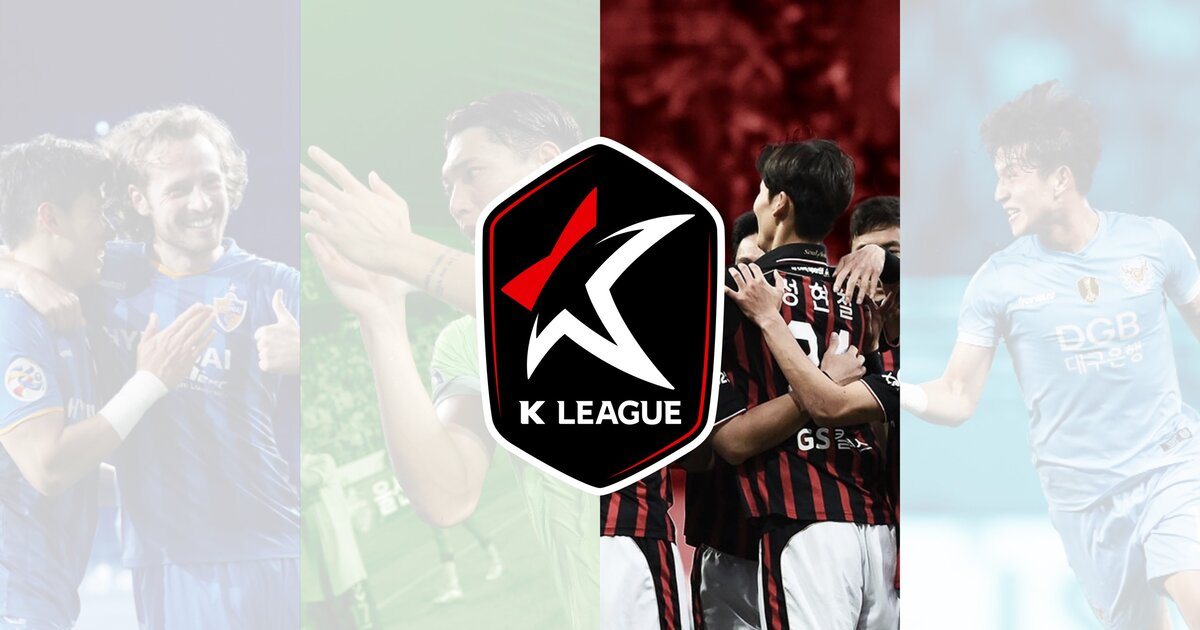
The Current Status and Future Development of K-League
In recent years, K-League has been steadily improving its operational structure and competitiveness. Clubs have been strengthening their youth development systems, producing players who are recognized in European and Asian markets. Additionally, efforts have been made to enhance the quality of matches through improved foreign player recruitment policies and the introduction of tactically diverse coaches. Moving forward, K-League is expected to focus on strategies that enhance its popularity and ensure economic sustainability, solidifying its position as a top-tier league.
Growth Potential Beyond Asia’s Top League to a Global Stage
K-League has established itself as one of the leading leagues in Asian football, achieving consistent success in the AFC Champions League (ACL). Compared to Japan’s J-League and China’s Super League, K-League has maintained competitiveness in both skill and tactical aspects while gradually expanding its international fan base. To become a globally recognized football league, K-League must focus on expanding broadcasting rights, strengthening partnerships with overseas clubs, and acquiring internationally renowned players. If these strategies are effectively implemented, K-League has great potential to grow beyond Asia and gain recognition on the global stage.
Building a Bright Future with Fans
The success of a football league is largely dependent on fan engagement and participation. K-League has recently been implementing fan-friendly marketing strategies, making efforts to increase stadium attendance through various initiatives. These include real-time match communication via social media and online platforms, regional collaboration events, and active interaction with supporters. The expansion of digital platforms for match broadcasting and the activation of online sports communities play a crucial role in bringing K-League closer to its fans. Through these efforts, K-League aims to establish itself not just as a football league but as a cultural brand representing Korean football.
Promoting a Safe Betting Culture Amid the Expansion of Online Betting Markets
As the sports industry grows, the online betting market is also rapidly expanding. It is crucial to foster a responsible and trustworthy betting culture, ensuring that fans can enjoy sports in a safe environment. Platforms such as toto79.in provide reliable sports analysis and verification services, allowing users to access trustworthy information and engage in responsible sports betting. By maintaining transparency and fairness, K-League can continue to operate in a positive and ethical manner, contributing to the healthy growth of the sports industry.
About the Creator
Tina Jully
Welcome to Tina Jully's Blog. We provide diverse information about sports and E-sports, covering various issues. Thank you.
Enjoyed the story? Support the Creator.
Subscribe for free to receive all their stories in your feed.
Comments