
Joseph Lamar Simmons Describes Intelligence Officer Strategy
Protecting National Security Through Strategic Intelligence
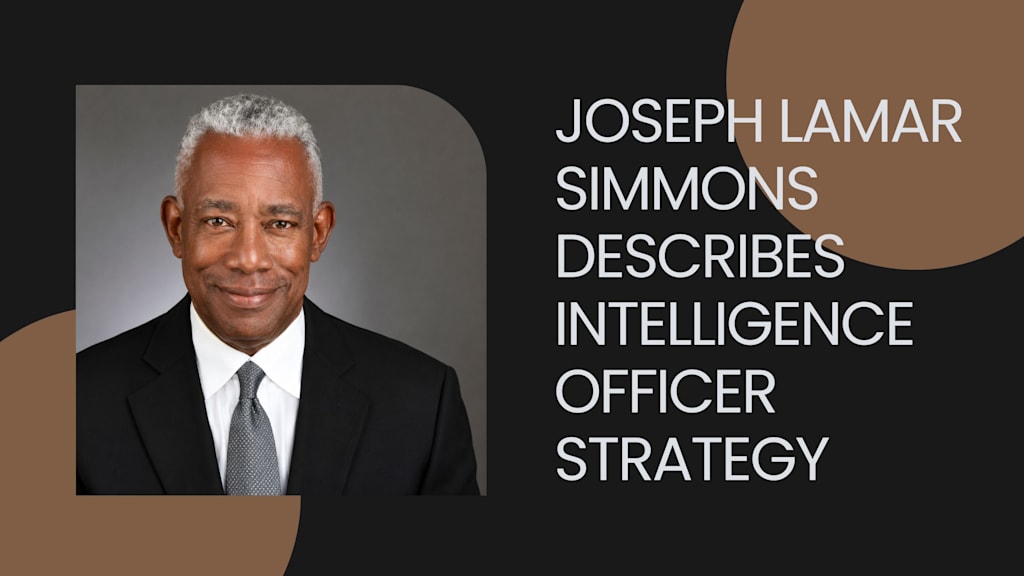
National security has never been more important than it is today in our fast changing world. Governments and organisations face a multitude of different threats, including cyber attacks, terrorism, espionage and organised crime. Such dangers make intelligence officers key to the protection of people, information and infrastructure. Joseph Lamar Simmons says intelligence officer strategy is not just about gathering information but about understanding risks, and anticipating threats and making intelligent decisions before problems occur.
“Intelligence work requires discipline, technology, communication and strong leadership,” Simmons said. Today’s intelligence officers face new challenges every day and must balance security with public trust.
Understanding the Role of an Intelligence Officer
Joseph Lamar Simmons defines intelligence officers as professionals who gather, analyze and interpret information related to national security and public safety. Their main aim is to spot potential threats before they turn into dangerous situations.
Intelligence officers work in many areas, such as:
- Cybersecurity
- Counter-terrorism
- Military intelligence
- Border security
- Investigations of crimes
- Monitor for threats
The work often involves gathering information from digital systems, surveillance tools, online activity and confidential sources. Officers collect data, then analyze it carefully to identify patterns and possible threats.
The Importance of Threat Analysis
One of the most important parts of intelligence strategy is threat analysis. Simmons explains that understanding threats is necessary for effective protection. Threat analysis helps intelligence teams answer important questions such as:
- Who is responsible for the threat?
- What are their goals?
- How could they carry out an attack?
- What systems or people are at risk?
Intelligence agencies can examine these factors to prepare responses and reduce the risk of harm. Simmons believes that successful threat analysis requires a balance of technology and human judgment. Computers can be used to scan vast amounts of data rapidly, but even they need experienced officers to interpret complex situations.
Cybersecurity and Contemporary Intelligence
Joseph Lamar Simmons says cybersecurity is now among the top national security issues. Cyber attacks can be directed at governments, companies, hospitals, banks and transportation systems. Hackers are able to steal sensitive data, destroy networks or cripple critical services.
With these risks in mind, intelligence officers need to grasp how to digitally defend themselves. Cybersecurity teams watch systems for suspicious activity and move fast to stop possible attacks. Strong cybersecurity strategies help protect national infrastructure and prevent serious damage by cyber criminals.
Technology’s Role in Intelligence Activities
Over the past decade, technology has changed the face of intelligence work. Joseph Lamar Simmons says sophisticated systems now enable intelligence agencies to process information more quickly and more accurately than ever before.
Artificial Intelligence and Machine Learning can find potential threats and detect abnormal behavior in real time. These tools help intelligence officers rapidly search through massive quantities of information. But Simmons also cautions that technology must be an aid to human decision-making, not a substitute.
Human intelligence still matters because officers need to interpret situations, make moral choices, and understand human behavior in ways that technology cannot completely solve.
Communication and Teamwork
Another important strategy discussed by Simmons is communication. Intelligence officers rarely work alone. They often cooperate with:
- Law enforcement agencies
- Military organizations
- Cyber security experts
- Emergency response teams
- International intelligence partners
National security is improved through information sharing among agencies and helps organizations respond more quickly to threats. Poor communication can cause people to miss warning signs and delay reactions in an emergency, Simmons said.
Poor communication, however, can create serious problems. Important warning signs may be missed, or agencies may fail to coordinate responses during emergencies. Simmons believes intelligence agencies must build strong communication systems to improve efficiency and national security readiness.
Strategy Intelligence Leadership
Leadership is one of the most important skills required in intelligence operations, Joseph Lamar Simmons believes. In difficult situations, leaders need to be able to make quick decisions and remain calm under pressure.
“Strong leadership is what keeps intelligence agencies on point and effective in the face of national security challenges.
Training and Continuous Learning
Modern threats change constantly, which means intelligence officers must continue learning throughout their careers. Simmons explains that regular training helps officers stay prepared for evolving security risks. Continuous education allows intelligence professionals to adapt to new technologies and emerging threats.
Accountability and Morality
Joseph Lamar Simmons also mentions the significance of ethics in intelligence work. Intelligence agencies often collect sensitive information, raising concerns about privacy and civil rights.
Simmons said intelligence officers must operate within the law and ethical standards when protecting national security. Responsible intelligence work is vital to ensuring the public’s trust and avoiding abuses of power.
One of the most difficult dilemmas in the modern intelligence business is security versus liberty.
Preparing for Future Threats
“Intelligence strategy is an always-future-looking exercise,” Simmons said. “Intelligence officers must be able to predict potential dangers ahead of time. This proactive method enables governments and organizations to prepare defense plans in advance.
- Future threats may be include
- Cyberwarfare – advanced
- Artificial Intelligence Abuse
- Cyberspying
- Attacks on critical infrastructure
- International cyber wars
Simmons believes that innovation and adaptability are necessary for long-term security success.
Conclusion
Joseph Lamar Simmons describes intelligence officer strategy as a combination of preparation, leadership, technology, communication, ethics, and continuous learning. Modern intelligence officers face many challenges, including cyber threats, terrorism, digital espionage, and infrastructure risks.
Successful intelligence operations depend on strong threat analysis, effective communication, cybersecurity defense, and ethical responsibility. Intelligence officers must remain adaptable and prepared as technology and global security risks continue to evolve.
In today’s interconnected world, intelligence work has become one of the most important parts of national security. By combining advanced technology with skilled professionals and responsible leadership, intelligence agencies can better protect nations, organizations, and communities from modern threats. The future of intelligence will continue to change, but the core mission will remain the same: protecting people, preventing harm, and maintaining security through informed strategy and careful decision-making.
About the Creator
Enjoyed the story? Support the Creator.
Subscribe for free to receive all their stories in your feed.
Comments
There are no comments for this story
Be the first to respond and start the conversation.