
John Bonavia on Developing the Mental Strength to Overcome Life’s Greatest Challenges
Why resilience, emotional discipline, and perspective matter more than ever in difficult times

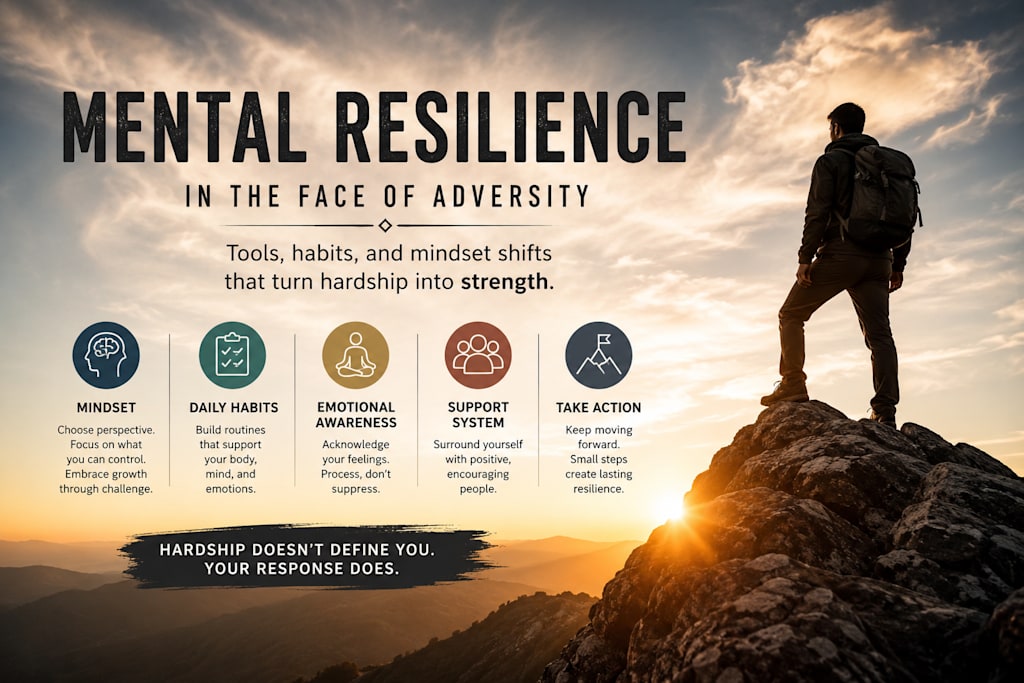
John Bonavia believes that mental resilience is not about pretending life is easy. It is about learning how to stay grounded, focused, and emotionally balanced when life becomes difficult. In a world filled with uncertainty, pressure, and constant distractions, the ability to recover from setbacks has become one of the most important skills a person can develop.
Challenges are unavoidable. Everyone experiences moments of disappointment, stress, failure, grief, or uncertainty at some point in life. What separates resilient individuals from those who remain stuck is not luck or perfection. It is the ability to adapt, maintain perspective, and continue moving forward even during uncomfortable situations.
Mental resilience is often misunderstood. Many people associate resilience with suppressing emotions or appearing emotionally unaffected by hardship. In reality, resilience is built through emotional awareness, healthy habits, and the willingness to confront challenges honestly instead of avoiding them.
According to John Bonavia, resilience is not formed during moments of comfort. It is developed through adversity, reflection, and consistent effort over time.
Resilience Begins with Mindset
One of the most important foundations of mental resilience is mindset. The way people interpret setbacks often shapes how they respond to them. Two individuals can experience the exact same obstacle and walk away with completely different outcomes depending on how they view the situation.
People with a resilient mindset understand that setbacks are temporary. They avoid defining themselves by failure and instead focus on learning from difficult experiences. This does not mean ignoring pain or pretending disappointment does not exist. It means refusing to allow temporary struggles to permanently shape identity or future potential.
Perspective matters during adversity. When individuals become consumed by negative thinking, it becomes harder to recover emotionally. Fear, frustration, and self-doubt can quickly take control when people believe challenges are permanent or impossible to overcome.
Resilient individuals approach difficulties differently. They ask questions like:
- What can I learn from this?
- How can I grow through this experience?
- What is still within my control?
These questions create forward momentum instead of emotional paralysis.
John Bonavia emphasizes that mindset is not about unrealistic positivity. It is about maintaining clarity during difficult moments and believing that growth is still possible even when circumstances are uncomfortable.
Daily Habits Shape Emotional Strength
Mental resilience is not built overnight. It develops through consistent daily habits that strengthen emotional stability over time.
Small routines often have a greater long-term impact than dramatic moments of motivation. Sleep, exercise, healthy nutrition, mindfulness, and structured routines all contribute to emotional endurance. When people neglect their physical and emotional well-being, stress becomes harder to manage.
One of the biggest mistakes people make during stressful periods is abandoning healthy habits entirely. Difficult moments often create emotional exhaustion, which can lead to isolation, poor routines, and unhealthy coping mechanisms. Over time, this weakens emotional resilience even further.
Building resilience requires discipline during uncomfortable moments. This includes:
- Maintaining routines even when motivation feels low
- Setting boundaries to protect mental energy
- Practicing self-awareness during stressful situations
- Taking care of physical health
- Allowing time for reflection and recovery
These habits may seem simple, but consistency creates stability. Emotional strength grows gradually through repeated actions rather than sudden breakthroughs.
John Bonavia believes that resilient people are not those who avoid hardship. They are individuals who continue showing up for themselves despite adversity.
Emotional Awareness Is a Strength, Not a Weakness
Many people incorrectly believe mental toughness means suppressing emotion. However, emotional awareness is actually one of the most important parts of resilience.
Ignoring stress, anxiety, frustration, or grief does not eliminate those emotions. In many cases, emotional suppression creates greater internal pressure over time. Resilient individuals learn how to acknowledge difficult emotions without allowing those emotions to control their decisions.
Self-awareness helps people recognize emotional triggers, unhealthy thought patterns, and stress responses before they become overwhelming. This awareness creates space between emotion and reaction.
Mindfulness practices can play a valuable role in emotional resilience. Activities such as journaling, meditation, deep breathing, or simply spending time reflecting quietly can help people process emotions more effectively.
John Bonavia encourages people to stop viewing emotional awareness as vulnerability. Understanding emotions honestly allows individuals to respond thoughtfully instead of reacting impulsively during difficult moments.
Resilience does not mean becoming emotionally numb. It means developing the ability to navigate emotions with balance and control.
Growth Often Comes Through Discomfort
Personal growth rarely happens during periods of complete comfort. Difficult experiences often reveal strengths people did not realize they possessed.
Adversity can force individuals to reevaluate priorities, develop patience, improve emotional discipline, and gain deeper self-awareness. While hardship is never enjoyable, it can create opportunities for transformation when approached with the right mindset.
Many people spend enormous energy trying to avoid discomfort entirely. However, avoiding every challenge can limit emotional development. Resilience grows when people learn how to face uncertainty instead of constantly escaping it.
John Bonavia believes discomfort often serves as a catalyst for growth. The moments that test patience, confidence, and emotional endurance are often the same moments that shape stronger individuals over time.
This does not mean people should seek unnecessary hardship. It means recognizing that difficult experiences can still produce valuable lessons, wisdom, and perspective.
Growth requires patience. Emotional healing and personal development rarely happen quickly. Building resilience is an ongoing process rather than a final destination.
The Importance of Support Systems
Resilience is not about handling every challenge alone. Strong support systems play a major role in emotional well-being and recovery.
During difficult periods, isolation can intensify stress and emotional exhaustion. Having trusted people to talk to creates connection, perspective, and encouragement during challenging moments.
Support can come from many places:
- Family members
- Friends
- Mentors
- Coaches
- Therapists
- Community groups
Seeking support should never be viewed as weakness. In reality, emotionally resilient people often understand the importance of connection better than anyone else.
John Bonavia emphasizes that asking for help demonstrates self-awareness and emotional maturity. Nobody is expected to navigate every struggle entirely alone.
Healthy relationships provide emotional stability during periods of uncertainty. They remind people that challenges can be shared, processed, and overcome together.
Resilience Is About Continuing Forward
One of the most powerful lessons about mental resilience is that progress does not require perfection. People often believe they must feel fully confident, motivated, or emotionally strong before taking action. In reality, resilience is often built by continuing forward despite fear, uncertainty, or discomfort.
Some days progress may feel small. Other days may feel overwhelming. What matters most is maintaining the willingness to keep moving forward even during difficult moments.
John Bonavia believes resilience is ultimately about adaptability. Life will continue presenting challenges, setbacks, and unexpected changes. Emotional strength comes from learning how to respond with perspective, discipline, and self-awareness rather than becoming consumed by negativity or fear.
Mental resilience is not something reserved for extraordinary people. It is a skill developed through everyday choices, habits, and mindset shifts. The ability to rise after hardship is not about avoiding pain altogether. It is about learning how to grow through adversity while remaining grounded in purpose and perspective.
In a world where stress and uncertainty are increasingly common, resilience may be one of the most valuable forms of strength a person can build.
About the Creator
John Bonavia
John Bonavia teaches that redemption is never out of reach and that vulnerability is not weakness but a doorway to healing.
Enjoyed the story? Support the Creator.
Subscribe for free to receive all their stories in your feed.
Comments
There are no comments for this story
Be the first to respond and start the conversation.