
Joey Fatone: The *NSYNC Songs That Never Felt Like Them
Early Days and Uncertain Identity The Two Tracks That Missed the Mark Finding Their True Voice Lost Recordings and a Fresh Start

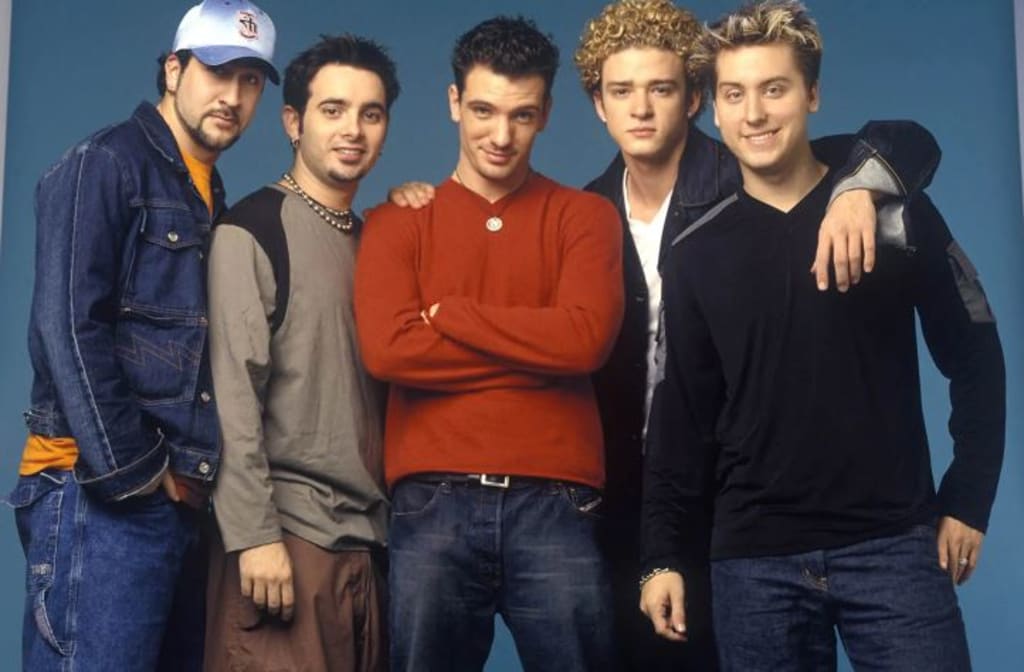
HARTFORD, Conn. For a group that would go on to define the sound of a generation, *NSYNC’s earliest days were far from certain. Long before the sold-out stadiums, record-breaking albums, and permanent place in pop history, the five young singers were simply trying to figure out where they belonged, and Joey Fatone is now reflecting on the material that revealed just how much they had yet to discover. Speaking candidly at the That’s 4 Entertainment 90s Schedules event in Hartford on October 18, alongside Zac Hanson and in conversation with PEOPLE executive editor Breanne L. Heldman, Fatone pulled back the curtain on the group’s formative years, naming the two songs that, to this day, still don’t sound like them.
Finding Their Way in a Crowded Field
“When we first came out, I guess they were trying to figure out where we fit in,” Fatone recalled. The late 1990s music scene was booming, particularly in Europe, where boy bands were dominating airwaves and charts. Amidst that surge, *NSYNC occupied an unusual space, not quite pure pop, not quite R&B, something in between. “We were in that middle of like hip hop, R&B-ish, soulful,” he explained. “But obviously, we had soulful voices.” It was a promising foundation, but one that hadn’t yet found its form. The group was still a work in progress, testing different styles and sounds, hoping something would click, and in those experiments, some tracks simply missed the mark.
Two Tracks That Just Didn’t Fit
Fatone didn’t hesitate when asked about the songs he finds hardest to revisit. Two tracks from their early European releases stand out clearly: “Riddle” and “I Need Love.” His assessment of “Riddle” was blunt: “It was horrible.” Of “I Need Love,” he offered an equally unvarnished view, joking that it made bandmate JC Chasez “sound constipated.” It wasn’t a criticism of the singers themselves, but of the material: stiff, dated dance-oriented tracks that bore little resemblance to the rich harmonies and distinct personality the group would soon become known for. “They’re just outdated, I guess,” he admitted. “It wasn’t us yet.”
Thankfully, neither song became a staple of their live shows. “Thank goodness we never did them on the tour,” Fatone said. “I think we did one song, back on the European tour, but I would never wanna do those songs ever again.” They were relics of a transitional phase what happens when a group is still discovering who they are, rather than who someone else thinks they should be.
"It Wasn’t Us Yet"
That phrase “it wasn’t us yet” captures the heart of the matter. Those early recordings reflected external expectations more than internal identity. Producers and managers were navigating a competitive landscape, reaching for sounds they believed would find an audience, but the result felt disconnected from the group’s genuine strengths. Fatone frames it not as regret, but as a natural part of growing: “I think we were still trying to find our sound, our way.” Every band goes through this experimenting, discarding, refining, and *NSYNC was no different. The difference is that most bands’ missteps don’t get released to the world.
The Turning Point
Everything shifted with their first American album. “I think once we got to the first American album, I think is when everything really kinda came together,” Fatone reflected. By then, the group had performed together extensively, understood each other’s voices, and gained greater confidence in shaping their own direction. The music felt more authentic, the harmonies tighter, the identity clearer. It was the moment they stepped out of the shadows of other groups and stood unmistakably on their own. From that foundation grew the era that produced No Strings Attached and Celebration records that shattered sales records and cemented their legacy.
The Album That Never Saw the Light of Day
The conversation also touched on another fascinating, lesser-known chapter: an entire album’s worth of material recorded before No Strings Attached that has never been heard by the public. Fatone explained that after parting ways with controversial former manager Lou Pearlman, the group faced a difficult reality: Pearlman retained ownership of the recordings they had already made. “He owned the rights to the whole album that we recorded, and that’s why we didn’t get any of those,” Fatone revealed. Rather than fight a prolonged battle, they made a bold decision: “That’s why we started with No Strings Attached, we had to redo and just do a whole new album.” They turned a setback into a fresh beginning, and the rest is history. Even so, those unreleased tracks remain a tantalizing “what if” for fans.
Lessons Learned Along the Way
Looking back, Fatone sees those early missteps not as failures, but as necessary steps toward success. Every group has to start somewhere, and finding your voice rarely happens on the very first try. The songs that didn’t work taught them what they didn’t want, which ultimately helped them find what they did. Today, those tracks are footnotes reminders of how far they have come, and proof that the most enduring identities are not handed to you; they are earned, one song at a time. For Fatone and *NSYNC, the journey was messy, uncertain, and occasionally off-key, but the destination made every detour worth it.
About the Creator
Mark Lim
Hi I am mark an automotive student and a car, tech and food enthusiast ! Im gonna try and post daily & hope you enjoy what I write and do share my page with people you know. I would gladly appreciate it! Cheers
Enjoyed the story? Support the Creator.
Subscribe for free to receive all their stories in your feed.
Comments
There are no comments for this story
Be the first to respond and start the conversation.