
Is Your AC Ready for Summer? What You Need To Know Before Installing a New System This Year
What You Need To Know Before Installing a New System This Year
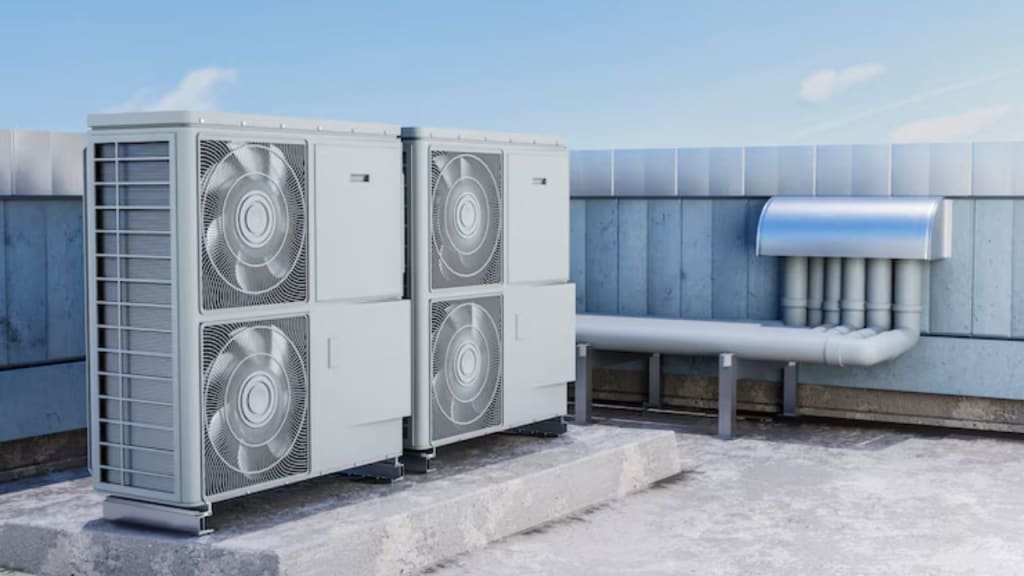
As the temperatures climb, ensuring your air conditioning system is up for the challenge is essential. If your AC unit is old, unreliable, or not cooling as effectively as it used to, it might be time to consider upgrading. A new air conditioning system is more than just about comfort; it's an investment in a cooler, more efficient home. If you're considering air conditioning installation in Alpharetta, understanding the key factors involved will help guide your decision and ensure you make the best choice for your home.
Here is more detailed information:
Choosing the Best Air Conditioning System to Suit Your Home’s Unique Cooling Needs
The right air conditioning system is key to keeping your home cool and your energy bills manageable. The system you choose should align with your home's specific cooling needs. A professional evaluation can help determine the best system for your space, considering factors like the size of your home, insulation, and even the climate in your area.
For larger homes, central air conditioning is typically the go-to option. It distributes cool air throughout your home using ductwork, providing consistent cooling across all rooms. For homes without ductwork, a ductless mini-split system is a great alternative. Still, these systems are highly efficient and ideal for homeowners who need to cool individual rooms or areas. Smaller spaces, like apartments or single rooms, may benefit from a window or portable air conditioning unit. An expert can assess your home's needs and guide you in selecting a system that balances comfort and efficiency.
Why Getting the Right Size AC System Is Crucial for Comfort and Energy Savings?
Regarding air conditioning, size matters in terms of the physical unit and the cooling capacity. It's tempting to choose a bigger system, thinking it will cool better, but an oversized unit can cause problems, such as inconsistent cooling, increased energy consumption, and short cycling. Conversely, an undersized unit will struggle to keep up, running constantly and leaving certain areas uncomfortable.
A professional will calculate the load to determine the correct size for your space. This calculation considers various factors, including the square footage of your home, ceiling height, insulation quality, and the number of windows. Getting the right size will ensure your system runs efficiently, which helps maintain a consistent temperature while keeping energy costs down.
Energy Efficiency Features to Look for When Upgrading Your Air Conditioning System
When installing a new air conditioning system, energy efficiency is a critical factor. New systems are designed to use less energy while delivering the same or better cooling power, which can lead to significant savings on your utility bills over time. Energy-efficient systems also tend to require fewer repairs, offering greater reliability.
For those looking to reduce their environmental impact, choosing a system with a higher SEER (Seasonal Energy Efficiency Ratio) rating is a smart choice. The higher the SEER rating, the more efficient the system. While the upfront cost of an energy-efficient unit might be higher, the long-term savings and environmental benefits make it a worthwhile investment.
The Role of Professional Installation in Ensuring Your AC System Runs Smoothly
While choosing the right system is crucial, installation is just as necessary. Even the best AC unit will underperform if it's not installed correctly. Professional installation ensures that your system is set up according to the manufacturer's guidelines, which helps avoid common issues like incorrect refrigerant levels, improper airflow, and electrical problems.
A certified professional can ensure that the system is installed to maximize energy efficiency, airflow, and cooling performance. Proper installation also helps maintain the warranty and ensures that your unit will perform as expected for years.
Simple Maintenance Tips to Keep Your New Air Conditioning System Running Efficiently
Once your new air conditioning system is installed, regular maintenance is key to ensuring its longevity and efficiency. Simple tasks, such as changing filters, cleaning the coils, and inspecting the refrigerant levels, can prevent larger, more expensive problems from arising. Routine maintenance also helps your system operate at peak efficiency, which can keep your energy bills lower over time.
Annual check-ups by a professional technician are essential. These inspections allow the technician to spot potential issues before they become major repairs. Staying on top of regular maintenance will not only extend the life of your system but also ensure that it continues to provide optimal performance when you need it most.
How Installing a New Air Conditioning System Can Save You Money in the Long Run?
A new air conditioning system is an investment that provides long-term benefits. In addition to improved cooling and comfort, a new unit ensures lower bills due to greater efficiency. Plus, modern systems are designed to be more reliable and durable, reducing the likelihood of unexpected breakdowns.
For service providers, offering reliable and professional installation services strengthens customer trust and satisfaction. It also provides opportunities for recurring revenue through regular maintenance agreements, ensuring that the system continues to perform efficiently yearly.
Final Thoughts
With summer fast approaching, it's essential to ensure your unbearable heat stays cool. Installing a new air conditioning system can provide immediate comfort, long-term energy savings, and peace of mind. From selecting the right system to ensuring professional installation and ongoing maintenance, every step contributes to your system's overall performance and efficiency.
About the Creator
Enjoyed the story? Support the Creator.
Subscribe for free to receive all their stories in your feed.
Comments
There are no comments for this story
Be the first to respond and start the conversation.