
Is Whitening Toothpaste Safe for Daily Use?
Teeth Whitening

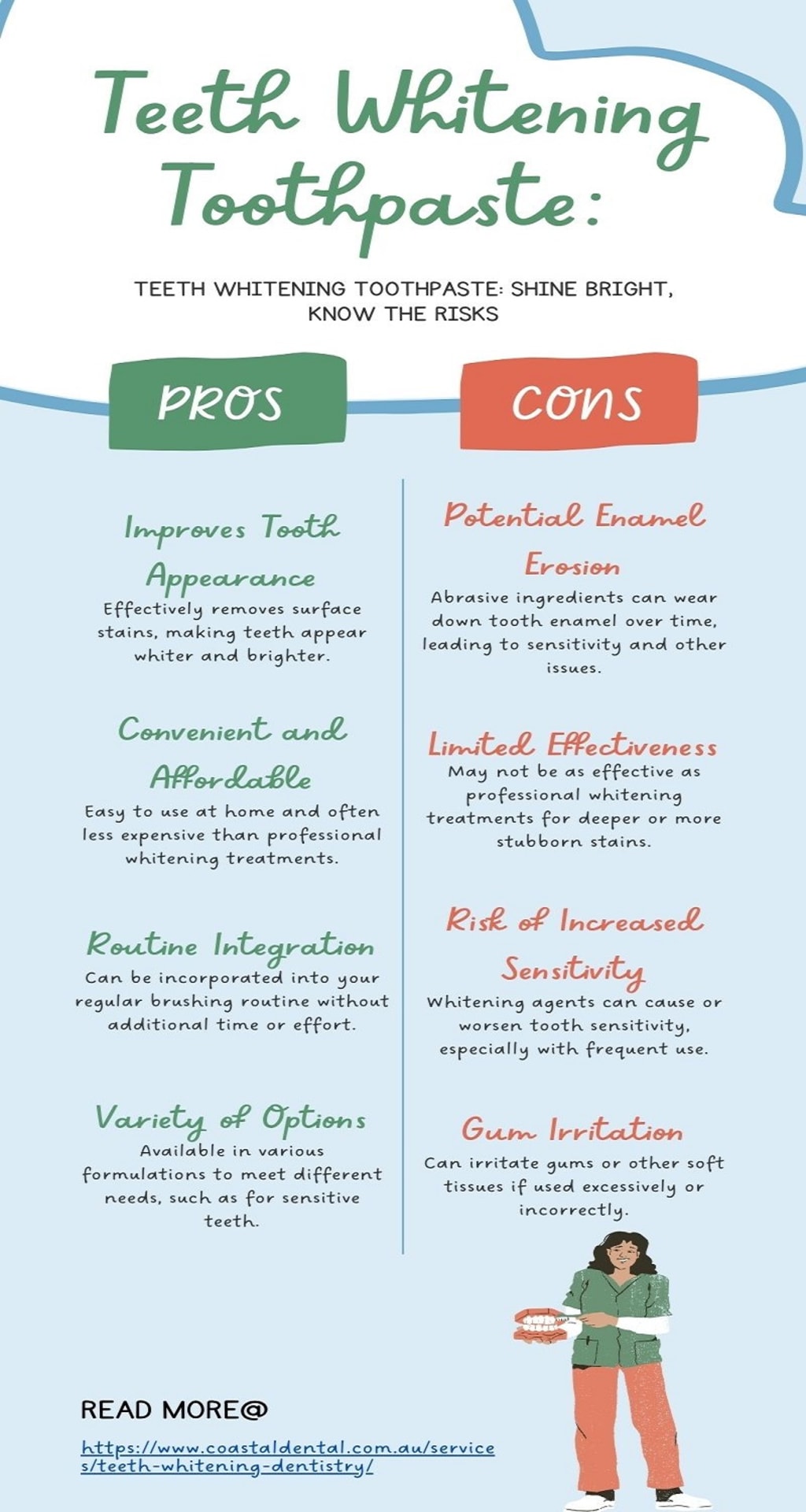
Whitening toothpaste is a go-to for many who want a brighter smile. It’s tempting to use it every day for its stain-removing and whitening promises. But is it safe to make whitening toothpaste part of your daily routine? Before you decide, it’s important to understand both the benefits and the potential risks. In this section, we’ll break down what you need to know to help you make the best choice for your teeth.
Understanding How Whitening Toothpaste Works
To determine if whitening toothpaste is safe for daily use, it’s essential to understand how it works. Most whitening toothpastes contain mild abrasives and chemical agents like hydrogen peroxide or baking soda, which help remove surface stains from your teeth. While these ingredients are effective at making your teeth appear whiter, their frequent use can raise some concerns.
Potential Impact on Enamel
The abrasives in whitening toothpaste work by polishing the surface of your teeth. However, daily use might lead to enamel erosion over time. Enamel is the protective layer on your teeth, and once it’s worn away, it doesn’t regenerate. This can lead to increased tooth sensitivity and a higher risk of cavities.
Tooth Sensitivity
Some whitening toothpastes contain peroxide-based chemicals, which can cause or worsen tooth sensitivity, especially if used frequently. For people with naturally sensitive teeth, this could be a significant downside.
Gum Irritation
Frequent use of whitening toothpaste may also lead to gum irritation. The chemicals that help whiten teeth can sometimes cause irritation or inflammation of the gums, particularly if you already have sensitive gums.
In the next section, we’ll explore who should be cautious about using whitening toothpaste daily and how to balance its benefits with safety.
Who Should Be Cautious About Daily Use?
While whitening toothpaste can be effective, not everyone should use it daily. Understanding your specific dental needs and risks is key to making an informed decision.
Individuals with Sensitive Teeth
If you have sensitive teeth, daily use of whitening toothpaste might not be the best choice. The ingredients that whiten teeth can exacerbate sensitivity, leading to discomfort when eating or drinking hot or cold foods.
People with Gum Issues
Those with gum problems, such as gingivitis or receding gums, should also be cautious. Whitening agents can irritate already sensitive gum tissues, potentially worsening these conditions.
Enamel Wear or Erosion
If you’ve been told by your dentist that your enamel is thin or worn down, using whitening toothpaste every day could accelerate enamel loss. This could lead to increased sensitivity and a higher likelihood of developing cavities.
Children and Teens
Young individuals, especially children and teenagers, have softer enamel, which might be more susceptible to damage from daily use of whitening toothpaste. It’s often recommended that they use milder, less abrasive toothpastes until their teeth are fully developed.
In the next section, we’ll discuss alternative ways to whiten your teeth safely and how to incorporate whitening toothpaste into your routine without compromising oral health.
FAQs
1. Can I use whitening toothpaste every day?
Yes, you can use whitening toothpaste daily, but it’s important to consider potential risks such as enamel erosion and increased tooth sensitivity. Consult your dentist to ensure it’s safe for your specific dental health.
2. What are the side effects of using whitening toothpaste daily?
Potential side effects include enamel erosion, increased tooth sensitivity, and gum irritation. If you experience discomfort or sensitivity, it may be best to reduce usage or consult your dentist.
3. How often should I use whitening toothpaste for the best results?
To balance effectiveness and safety, many dentists recommend using whitening toothpaste 2–3 times a week rather than daily. This approach helps avoid excessive abrasion and potential enamel damage.
4. Are there safer alternatives to daily whitening toothpaste use?
Yes, alternatives include professional whitening treatments, whitening strips, or using toothpaste designed specifically for sensitive teeth. Discuss these options with your dentist to find what’s best for you.
5. Can whitening toothpaste harm my gums?
Frequent use of whitening toothpaste can potentially irritate your gums, especially if you have existing gum issues. If you notice gum irritation, consider reducing the frequency of use and consult your dentist.
About the Creator
Enjoyed the story? Support the Creator.
Subscribe for free to receive all their stories in your feed.
Comments
There are no comments for this story
Be the first to respond and start the conversation.