
Is Online Therapy Enough for Severe Agoraphobia Treatment?
Online Therapy
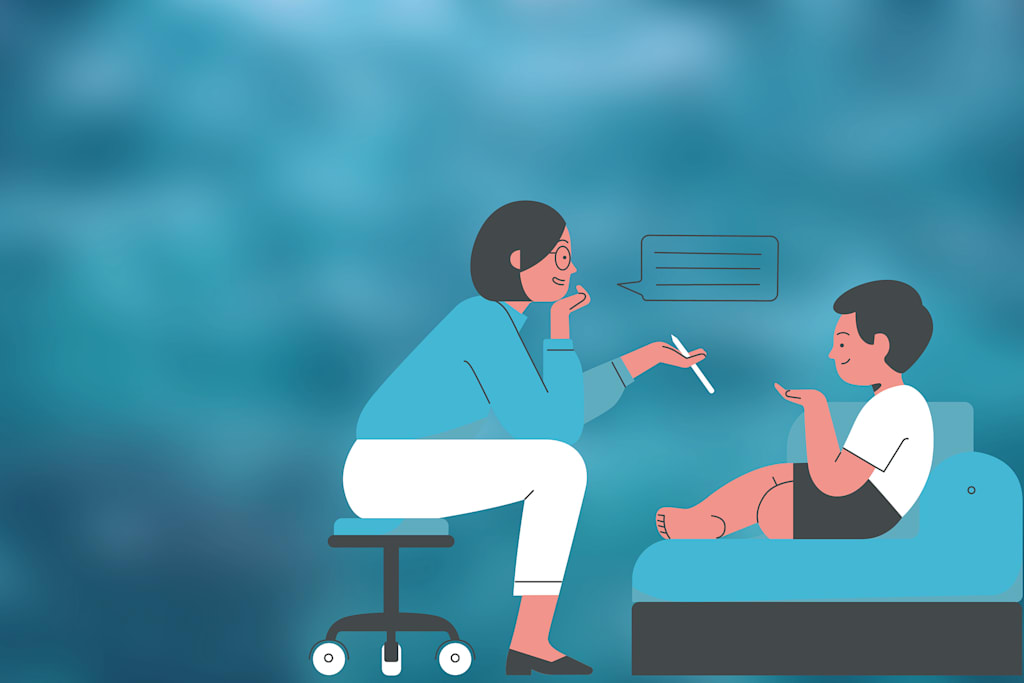
Agoraphobia is more than a fear of open spaces. For many people, it involves intense anxiety about leaving environments that feel safe, especially when escape seems difficult or help may not be available during a panic episode. As digital mental health services continue to expand, many individuals are turning to online therapy for agoraphobia as an accessible way to seek support without immediately facing overwhelming real-world exposure. This shift has raised an important question among both patients and professionals: can virtual treatment alone effectively address severe agoraphobia?
The conversation around virtual mental health care has grown rapidly in recent years, particularly alongside services such as online adhd therapy california, telepsychiatry, and remote anxiety counseling. While online therapy has improved access for people who may otherwise avoid treatment entirely, severe agoraphobia presents unique clinical challenges. Understanding where virtual care succeeds — and where it may fall short — is essential for making informed treatment decisions.
Understanding Severe Agoraphobia
Agoraphobia is classified as an anxiety disorder characterized by fear of situations where escape might feel difficult or embarrassing. Common triggers include crowded areas, public transportation, shopping centers, or even leaving home alone. In severe cases, individuals may become almost completely housebound.
Research published by the National Institute of Mental Health indicates that agoraphobia often develops alongside panic disorder, although it can also exist independently. Symptoms may include:
Rapid heartbeat and dizziness
Fear of losing control in public
Avoidance of unfamiliar places
Dependence on safe companions
Social isolation and depression
The severity of the condition often determines how treatment is approached. Mild to moderate cases may respond well to cognitive behavioral therapy delivered virtually, while severe cases may require more comprehensive support systems.
Why Online Therapy Appeals to People With Agoraphobia
For someone struggling to leave home, traditional in-person therapy can feel impossible. Online treatment removes one of the biggest barriers: travel. Video sessions allow patients to begin therapy in a familiar environment, reducing the immediate distress associated with attending appointments.
Several factors make virtual care particularly attractive for agoraphobia treatment:
Increased Accessibility
People living in rural areas or regions with limited mental health services may finally gain access to licensed therapists specializing in anxiety disorders.
Reduced Initial Anxiety
Starting treatment from home can lower resistance and improve early engagement. Many patients who avoid clinics altogether may feel comfortable speaking through a secure video platform.
Greater Scheduling Flexibility
Remote therapy often offers evening or weekend availability, making it easier for individuals balancing work, caregiving, or other responsibilities.
Continuity of Care
Patients can maintain regular sessions even during periods when symptoms intensify and leaving home becomes especially difficult.
These benefits explain why online therapy usage expanded significantly after the COVID-19 pandemic, with telehealth becoming a permanent part of modern mental health care.
The Role of Cognitive Behavioral Therapy in Online Treatment
Cognitive behavioral therapy (CBT) remains one of the most effective evidence-based treatments for agoraphobia. The structured nature of CBT translates relatively well to online formats because it focuses on identifying distorted thought patterns and gradually reducing avoidance behaviors.
A therapist providing virtual CBT may help patients:
Recognize panic triggers
Challenge catastrophic thinking
Practice breathing and grounding exercises
Build coping strategies for anxiety symptoms
Develop gradual exposure plans
Exposure therapy, a key component of CBT, is particularly important for agoraphobia recovery. Patients slowly face feared situations in controlled stages until anxiety responses decrease over time.
Online sessions can support this process in creative ways. For example, therapists may guide patients through exposure exercises using smartphones during walks outside the home or while entering anxiety-provoking environments.
Where Online Therapy May Fall Short
Although virtual care offers meaningful benefits, severe agoraphobia can involve complications that are difficult to manage remotely.
Limited Physical Exposure Support
In-person therapists can accompany patients during real-world exposure exercises or observe body language more closely during panic episodes. Online therapists may have fewer opportunities to intervene directly when anxiety escalates.
Crisis Management Challenges
Severe panic attacks, suicidal thoughts, or co-occurring psychiatric conditions may require immediate in-person evaluation. Remote providers have limitations when responding to emergencies from a distance.
Technology-Related Barriers
Reliable internet access, privacy concerns, and discomfort with digital platforms can interfere with consistent treatment. Some individuals may also avoid video interactions due to social anxiety symptoms.
Reinforcement of Avoidance
One concern among clinicians is that relying exclusively on remote therapy could unintentionally reinforce the fear of leaving home. If patients never transition into real-world exposure experiences, long-term recovery may stall.
Because of these limitations, many mental health professionals view online treatment as one part of a broader recovery strategy rather than a complete substitute for all forms of care.
When Online Therapy Is Most Effective
Virtual treatment tends to work best under certain conditions:
Early or Moderate Symptoms
Individuals who still maintain some level of mobility often respond well to online CBT combined with gradual exposure exercises.
Strong Patient Motivation
Recovery from agoraphobia requires active participation. Patients willing to practice assignments between sessions typically see better outcomes.
Integrated Treatment Plans
Combining online therapy with medication management, support groups, or occasional in-person sessions can improve effectiveness.
Consistent Therapeutic Relationships
Trust between therapist and patient remains one of the strongest predictors of successful anxiety treatment, regardless of whether sessions occur online or face-to-face.
The Importance of Hybrid Approaches
Increasingly, clinicians are recommending hybrid treatment models for severe agoraphobia. This approach combines the accessibility of online therapy with selective in-person interventions when necessary.
A hybrid model may include:
Weekly virtual CBT sessions
Periodic in-person exposure exercises
Psychiatric medication evaluations
Family education and support
Mobile-based anxiety tracking tools
This flexible structure allows patients to begin treatment safely while gradually building tolerance for real-world situations.
Mental health experts also note that severe agoraphobia rarely improves through avoidance alone. Successful treatment generally requires some degree of exposure to feared environments over time, whether supported online, in person, or through both methods.
The Growing Future of Digital Anxiety Treatment
Technology continues to reshape how anxiety disorders are treated. Virtual reality exposure therapy, app-based panic tracking, and AI-assisted mental health tools are expanding therapeutic possibilities for individuals who once had limited access to care.
However, technology is most effective when used thoughtfully and clinically. Severe agoraphobia is a complex condition influenced by biological, psychological, and environmental factors. No single treatment format works universally for every patient.
The future of care will likely involve personalized combinations of digital therapy, traditional counseling, and behavioral interventions tailored to symptom severity and individual needs.
Conclusion
Online therapy has transformed mental health access for individuals living with agoraphobia, especially those who struggle to attend traditional appointments. For many patients, virtual treatment provides a practical and less intimidating starting point toward recovery. Cognitive behavioral therapy delivered online can reduce anxiety symptoms, improve coping skills, and support gradual exposure work.
Still, severe agoraphobia often requires more than remote conversation alone. Complex symptoms, crisis risks, and the need for real-world exposure may make hybrid or in-person support essential components of effective treatment. Rather than viewing online therapy as either sufficient or insufficient, it is more accurate to see it as a valuable tool within a broader, individualized recovery process.
About the Creator
Enjoyed the story? Support the Creator.
Subscribe for free to receive all their stories in your feed.
Comments
There are no comments for this story
Be the first to respond and start the conversation.