
Is Lyocell the Fabric That Will Replace Cotton?
A deep dive into sustainability, innovation, and shifting consumer choices
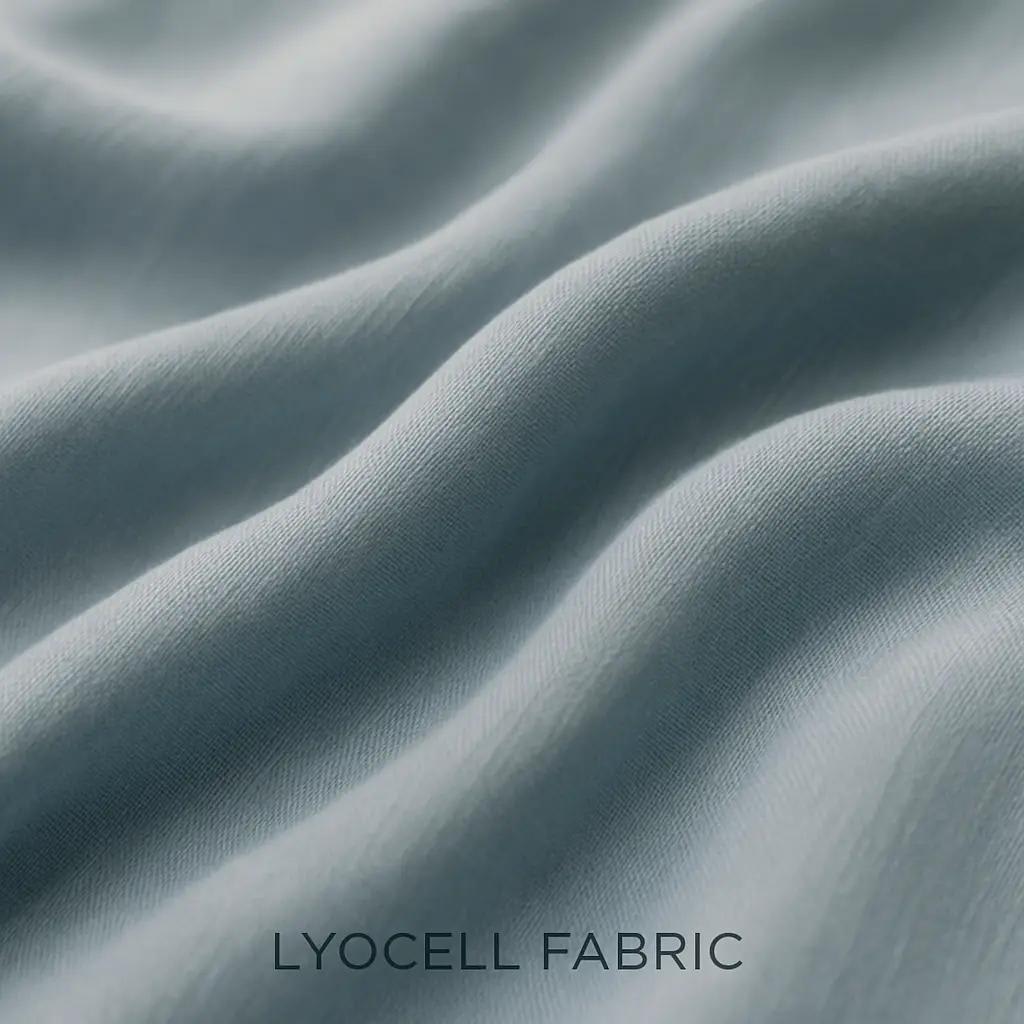
The shirt on your back might feel light and comfortable—but its journey could be anything but gentle on the planet. Cotton, the world’s most loved fabric, comes with a hidden cost: massive water consumption, chemical-heavy farming, and environmental strain that rarely makes it to the label.
Now imagine a fabric that feels even softer, breathes better, and is created with sustainability at its core. Quietly but steadily, lyocell is stepping into that role—challenging everything we thought we knew about textiles.
The Rise of a Silent Disruptor
For decades, cotton has dominated wardrobes across the globe. It’s familiar, affordable, and versatile. But as climate awareness grows, so does the scrutiny around how fabrics are made. Consumers are increasingly asking smarter questions—“What is the most sustainable fabric?” or “Is cotton really eco-friendly?”
That’s where lyocell begins to stand out. Derived from wood pulp and produced through an environmentally responsible process, it represents a new generation of fibers designed for a world that demands accountability.
According to Mordor Intelligence, the Lyocell Fiber market is witnessing steady expansion, supported by rising demand for eco-friendly textiles and innovations in fiber processing. The lyocell fiber market size to reach USD 2.33 Billion by 2030, global brands integrate sustainable materials into their supply chains. This shift isn’t just a trend—it’s a transformation.
Why Lyocell Feels Different
The first time you touch lyocell, you notice the difference. It’s smoother than cotton, almost silky, yet incredibly durable. But what truly sets it apart is how it’s made.
Unlike traditional fibers, lyocell uses a closed-loop production process. This means that the solvents and water used during manufacturing are almost entirely recycled, minimizing waste and environmental harm. For consumers searching “eco-friendly clothing materials” or “best sustainable fabrics,” lyocell consistently ranks among the top choices.
Here’s why it’s gaining attention:
Softness and Comfort: Gentle on skin, ideal for sensitive wearers
- Moisture Management: Absorbs sweat better than cotton
- Eco-Friendly Production: Reduced environmental footprint
These benefits are not just appealing—they’re essential in a world where conscious consumption is becoming the norm.
From Luxury to Everyday Wear
Not long ago, lyocell was considered a premium fabric, often reserved for high-end brands and niche markets. Today, that perception is rapidly changing. From everyday t-shirts to bedsheets and activewear, lyocell is making its way into mainstream products.
This shift is directly influencing the Lyocell Fiber market share, as manufacturers diversify applications across industries. Fashion brands are no longer experimenting—they’re committing. The fabric’s adaptability makes it suitable for both casual wear and performance apparel, bridging the gap between comfort and functionality.
Interestingly, consumer behavior is evolving alongside this trend. People are not just buying clothes; they’re researching them. Queries like “lyocell vs cotton sustainability” or “which fabric is better for the environment” are shaping purchasing decisions in real time.
The Bigger Picture: A Fabric for the Future
Lyocell’s growth is not happening in isolation. It’s part of a broader movement toward responsible living. As governments, brands, and consumers align around sustainability goals, materials like lyocell are becoming central to the conversation.
The textile industry is one of the largest contributors to environmental degradation. Replacing even a fraction of conventional fibers with sustainable alternatives could have a profound impact. That’s why the continued growth of the Lyocell Fiber market size is more than just a statistic—it’s a signal of change.
But challenges remain. Scaling production, maintaining affordability, and ensuring consistent quality are hurdles that need to be addressed. Yet, the momentum is undeniable.
A Choice That Feels Personal
At its core, this isn’t just about fabric—it’s about choice. Every purchase tells a story about what we value. Comfort, affordability, sustainability—these are no longer separate priorities; they’re interconnected.
Lyocell offers a rare combination of all three. It feels luxurious, performs exceptionally well, and aligns with a more sustainable future. That’s a powerful proposition in today’s market.
As you look at your wardrobe next time, you might find yourself asking a different question—not “Does this look good?” but “What is this made of, and what does it stand for?”
About the Creator
efingutthomas
My expertise is custom research across industries such as aerospace & defense, agriculture, animal wellness, automation, automotive, chemicals, consumer goods, electronics, energy, finance, food & beverages, healthcare, hospitality and ICT
Enjoyed the story? Support the Creator.
Subscribe for free to receive all their stories in your feed.
Comments
There are no comments for this story
Be the first to respond and start the conversation.