
Introduction to Fastening Composite Fuselage Structures
When choosing between solid and blind rivets for composite fuselage sections, the decision hinges on panel accessibility, load requirements, and material compatibility. Solid rivets provide superior shear and tensile strength but require physical access to both sides of the structure for bucking. Blind rivets are necessary for enclosed or restricted-access areas because they can be installed from a single side

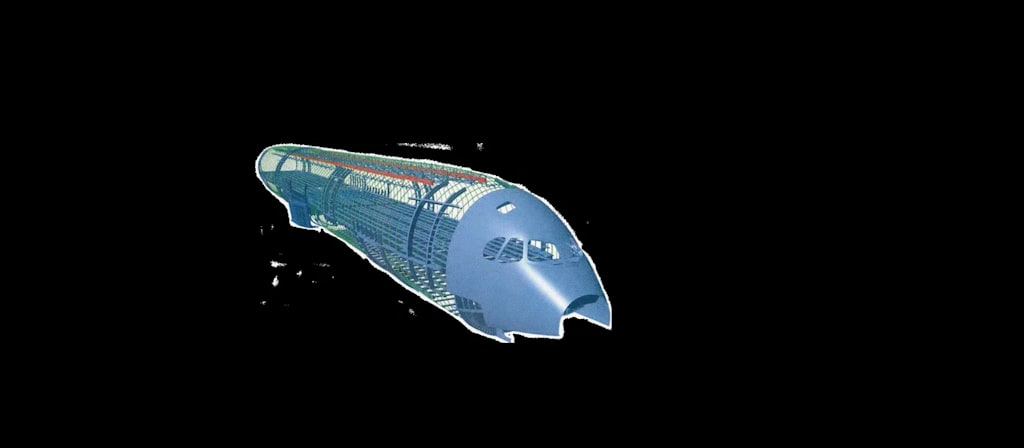
Modern aerospace manufacturing has heavily transitioned from traditional aluminum airframes to composite materials, primarily Carbon Fiber Reinforced Polymers (CFRP). Composites offer unparalleled strength-to-weight ratios, but they fundamentally change how airframes are joined. Unlike ductile metals that yield under localized stress, composites are brittle and susceptible to cracking, crushing, and delamination.
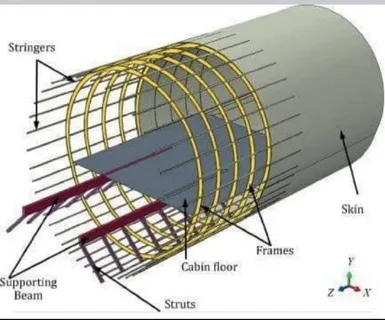
Selecting the right mechanical fasteners—specifically deciding between solid and blind rivets—is a critical engineering challenge. The right aerospace hardware must not only hold the fuselage together under extreme aerodynamic loads but also respect the delicate internal structure of the composite panels.
Understanding the Contenders
1. Solid Rivets
Solid rivets are the traditional backbone of aviation hardware. They consist of a solid shaft with a manufactured head. Installation requires a pneumatic rivet gun on the manufactured head and a heavy metal "bucking bar" pressed against the tail on the opposite side to crush and expand the metal.
Pros in Composites:
- Ultimate Strength: Solid rivets offer the highest baseline shear and tensile strength per unit of weight.
- Reliability: Decades of aerospace data back their fatigue resistance.
- Cost-Effective: The unit cost of the rivet itself is remarkably low.
Cons in Composites:
- Two-Sided Access Required: You must be able to reach both the inside and outside of the fuselage.
- Impact Damage Risk: The repeated pneumatic hammering required to buck a solid rivet can send destructive shockwaves through CFRP, potentially causing hidden internal delamination.
- Strict Tolerances: The composite must not be crushed by excessive bucking force.
2. Blind Rivets
Blind rivets are engineered for situations where the backside of the joint is inaccessible. They feature a tubular body and a central mandrel. A specialized tool pulls the mandrel, which expands the blind side of the rivet to clamp the materials together, before the mandrel snaps off.
Pros in Composites:
- Single-Sided Access: Essential for closing out fuselage sections, attaching skins to closed frames, or repairing enclosed areas.
- Controlled Clamping Force: Advanced blind fasteners offer precise, repeatable clamping loads that do not rely on the physical skill of a bucking technician, reducing the risk of crushing the composite.
- Bulbing Action: High-quality blind aerospace hardware often features a "bulbing" blind head, which creates a wide footprint to distribute loads evenly across the brittle composite surface.
Cons in Composites:
- Weight and Complexity: They are heavier and mechanically more complex than solid rivets.
- Cost: Blind aerospace hardware is significantly more expensive per unit.
- Slightly Lower Shear Strength: While still immensely strong, the hollow nature of the installed rivet generally offers slightly lower shear thresholds than a solid shank of the same diameter.
Critical Selection Criteria for Composites
When navigating semantic subtopics in aerospace structural engineering, three critical factors dictate the selection of solid vs. blind rivets for composites:
1. Material Compatibility and Galvanic Corrosion
Carbon fiber is highly cathodic and electrically conductive. If you place a standard aluminum rivet into a CFRP panel, the aluminum will act as an anode and rapidly corrode in the presence of moisture.
The Rule: You cannot use standard aluminum aerospace hardware in carbon fiber structures.
The Solution: Rivets must be made of Titanium, Monel, or highly specialized stainless steels. Titanium is the industry standard for CFRP due to its galvanic compatibility and excellent strength-to-weight ratio.
2. Pull-Through and Bearing Strength
Because composites lack the plasticity of metals, high point-loads can cause the rivet head or tail to pull right through the layers of carbon fiber. Whether solid or blind, the rivet must have a large bearing area. Blind rivets used in composites often utilize a "blind-side bulb" that spreads out widely against the panel interior to prevent delamination.
3. Hole Preparation and Fit
Composites are abrasive and prone to splintering when drilled. Fasteners must fit within incredibly tight tolerances to prevent movement that could elongate the hole over time. Interference-fit fasteners are common in metals but are generally avoided in composites to prevent inducing stress fractures.
About the Creator
Airparts Shop
Facing an AOG? Air Part Shop offers 24/7 support and expedited shipping on millions of aircraft parts. Minimize downtime with our fast, global supply chain network
Enjoyed the story? Support the Creator.
Subscribe for free to receive all their stories in your feed.
Comments
There are no comments for this story
Be the first to respond and start the conversation.