
Integrating Teledentistry with Dental Practice Management Software
A Game Changer for Modern Dentistry
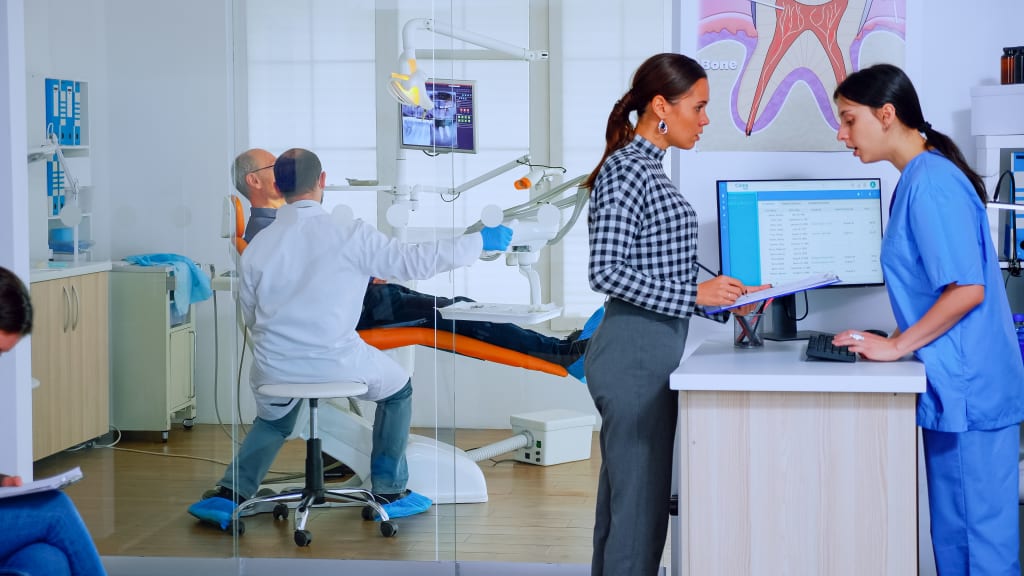
The rise of digital health solutions has transformed the way healthcare services are delivered, and dentistry is no exception. Teledentistry—the practice of providing remote dental care, consultation, and education through digital communication technologies—has gained significant traction, especially in response to the increasing demand for convenient and accessible dental services.
To make teledentistry more effective, integrating it with Dental Practice Management Software (DPMS) has become essential. This integration streamlines workflows, enhances patient engagement, improves diagnosis and treatment planning, and ensures a seamless experience for both patients and providers.
In this article, we explore the benefits, challenges, and best practices for integrating teledentistry with DPMS, and how this innovation is shaping the future of dental care.
Understanding Teledentistry and Dental Practice Management Software
What is Teledentistry?
Teledentistry involves the use of video conferencing, digital imaging, and mobile health applications to facilitate remote dental consultations. It includes:
Live Video Consultations (Synchronous Teledentistry): Real-time virtual visits between dentists and patients.
Store-and-Forward (Asynchronous Teledentistry): Patients share images, X-rays, and documents with dentists for later review and diagnosis.
Remote Patient Monitoring (RPM): Tracking oral health conditions remotely using digital tools.
Mobile Health (mHealth): Apps that assist with patient education, appointment scheduling, and reminders.
What is Dental Practice Management Software (DPMS)?
Dental Practice Management Software is a digital tool designed to automate administrative, financial, and clinical tasks in a dental practice. It typically includes:
Electronic Health Records (EHR) and Digital Charting
Appointment Scheduling and Patient Management
Billing, Insurance Claims, and Revenue Cycle Management (RCM)
Communication and Patient Engagement Tools
Why Integrate Teledentistry with DPMS?
The integration of teledentistry with DPMS provides several advantages for dental professionals and their patients. Below are the key benefits:
1. Improved Access to Dental Care
Patients in rural or underserved areas can now consult a dentist without the need for travel. This is particularly beneficial for elderly patients, those with mobility issues, or individuals with tight schedules.
2. Enhanced Patient Convenience and Engagement
Patients can schedule virtual consultations, receive follow-up care, and get treatment recommendations from their homes. Integration with DPMS ensures that records are automatically updated, reducing administrative work.
3. Streamlined Workflows for Dentists
With an integrated system, dentists can:
Access patient history and records before virtual consultations.
Update and store treatment plans directly in the DPMS.
Automate appointment scheduling and follow-ups.
4. More Efficient Diagnosis and Treatment Planning
Teledentistry combined with DPMS allows dentists to receive and review X-rays, intraoral scans, and patient symptoms digitally. AI-powered analytics in DPMS can assist in early detection of dental issues.
5. Reduced No-Shows and Appointment Cancellations
Virtual consultations offer greater flexibility, reducing the chances of missed appointments. Automated reminders and confirmations through DPMS further minimize patient no-shows.
6. Seamless Insurance and Billing Integration
With DPMS handling billing and insurance claims, integrating teledentistry ensures that virtual consultations are properly coded and billed, eliminating reimbursement challenges.
7. Enhanced Compliance and Data Security
A secure, integrated system ensures that all patient interactions comply with HIPAA and other regulations, keeping sensitive data protected.
Challenges of Integrating Teledentistry with DPMS
Despite its advantages, integrating teledentistry with DPMS comes with challenges that practices must navigate.
1. Technology Adoption and Training
Some dental professionals and staff may require training to use new technologies efficiently. Selecting a user-friendly DPMS can ease this transition.
2. Internet and Technical Limitations
Poor internet connectivity can impact the quality of virtual consultations. Ensuring a stable connection and using high-definition video platforms can enhance the experience.
3. Reimbursement and Insurance Coverage
Not all insurance providers cover teledentistry services. Dental practices must verify reimbursement policies and educate patients on payment options.
4. Patient Compliance and Trust
Some patients may be hesitant to use virtual dental services. Educating them on the safety, convenience, and effectiveness of teledentistry can improve acceptance.
5. Data Integration and Security Risks
Ensuring that patient data from teledentistry sessions is seamlessly integrated into DPMS without security breaches is a critical factor.
Best Practices for Successful Integration
To maximize the benefits of integrating teledentistry with DPMS, dental practices should follow these best practices:
Choose a Compatible and Scalable DPMS – Select a system that supports telehealth features and can grow with your practice.
Ensure Srong Cybersecurity Measures – Use end-to-end encryption and HIPAA-compliant platforms to protect patient data.
Provide Training for Staff and Patients – Educate your team on using teledentistry tools and help patients navigate virtual appointments.
Optimize Appointment Scheduling – Automate scheduling and send reminders through DPMS to ensure patient participation.
Integrate AI for Better Diagnostics – Leverage AI-driven analysis of dental scans for more accurate treatment planning.
Verify Insurance Policies – Work with payers to confirm coverage for virtual consultations and educate patients about costs.
Monitor Patient Feedback and Adjust Accordingly – Gather insights from patients about their telehealth experience and refine the process.
Future Trends in Teledentistry and DPMS Integration
Artificial Intelligence in Diagnosis – AI-driven tools can assist dentists in detecting cavities, gum disease, and oral health issues remotely.
Augmented Reality (AR) in Consultations – AR technology may allow dentists to simulate treatment outcomes for better patient understanding.
Voice-Activated DPMS Integration – Hands-free documentation using voice commands will enhance efficiency during virtual and in-person visits.
Blockchain for Secure Dental Records – Decentralized data management can improve security and accessibility of dental records.
Mobile-First Teledentistry Platforms – With the increasing use of smartphones, mobile-friendly solutions will dominate patient interactions.
Conclusion
The integration of teledentistry with Dental Practice Management Software is revolutionizing how dental care is delivered. By enhancing accessibility, improving workflows, and streamlining billing, this integration creates a more efficient, patient-friendly, and future-ready dental practice. While challenges exist, adopting best practices and staying ahead of industry trends will ensure successful implementation.
As teledentistry continues to evolve, dental providers who embrace these innovations will not only improve patient care but also gain a competitive edge in the rapidly changing world of digital dentistry.
About the Creator
Enjoyed the story? Support the Creator.
Subscribe for free to receive all their stories in your feed.
Comments
There are no comments for this story
Be the first to respond and start the conversation.