
Instant Beverage Mixes Market Growth Linked to Convenience and Wellness
From Quick Fix to Premium Ritual: Navigating the $124 Billion Global Shift in 2026

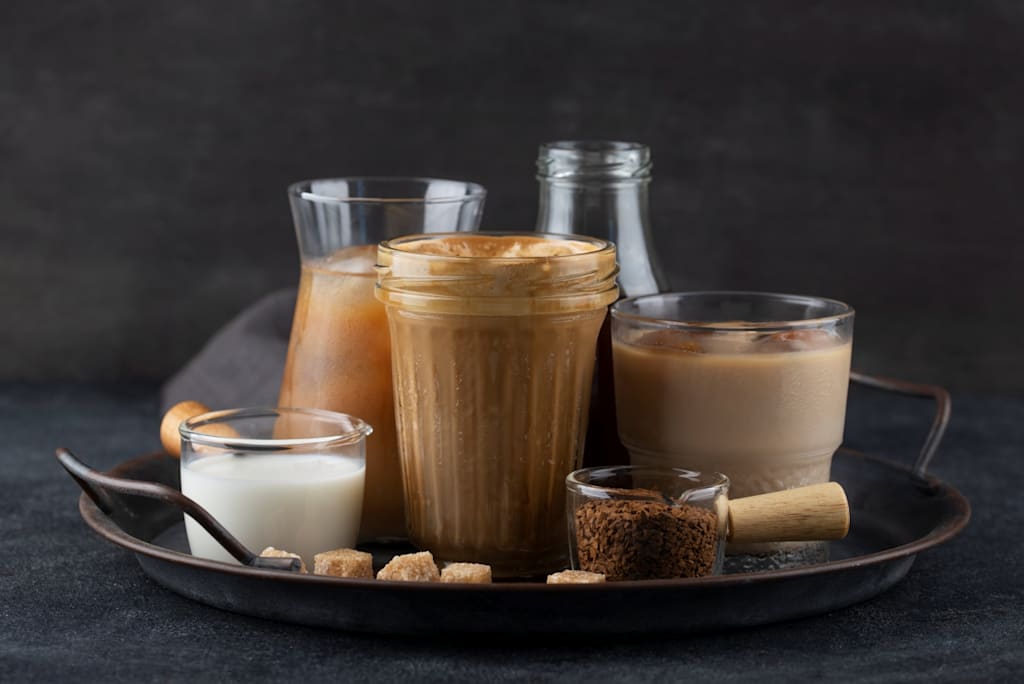
I’ve started noticing a subtle but undeniable change in my office breakroom lately.
It wasn’t that long ago that "instant" was a word associated with compromise, a thin, watery cup of coffee or an overly sweet tea that you only drank when time was your biggest enemy. But today, the sachet has been reimagined. I see colleagues pulling out single-serve pouches of mushroom-infused lattes, matcha mixes with added collagen, and artisanal tea blends that dissolve instantly but taste like they were brewed in a high-end café.
This personal shift mirrors a massive global wave. According to a research report by Mordor Intelligence, the instant beverage mixes market size is estimated at USD 92.05 billion in 2025 and is projected to reach USD 124.56 billion by 2030. With a steady 6.24% CAGR, this category is successfully shedding its "cheap alternative" image and becoming a cornerstone of the modern, time-pressed lifestyle.
The Convergence of Convenience and Premiumization
The primary driver behind this growth is the "no-compromise" consumer. In 2026, we are more time-pressed than ever, but our standards for what constitutes a "good drink" have never been higher. This has created a perfect storm for premiumization.
We are no longer just looking for a caffeine hit; we are looking for a sensory experience. This is evident in the rise of freeze-drying technology over traditional spray-drying. While more expensive, freeze-drying preserves the volatile aromatics and delicate flavor profiles of coffee and tea, allowing instant mixes to deliver a barista-quality result in seconds. For many, the instant sachet is no longer a "backup plan", it's the preferred way to enjoy a high-quality beverage at work, at home, or while traveling.
The Rise of the Functional Sachet
What’s truly exciting in the 2026 landscape is the move toward "beverages with a purpose." We are seeing a surge in instant mixes that are fortified with functional ingredients designed to support our holistic wellness:
- Mental Clarity & Focus: The inclusion of nootropics and adaptogens, like ashwagandha, lion’s mane, and reishi mushrooms, is turning a morning coffee into a tool for cognitive performance.
- Immune & Gut Health: Probiotic-fortified tea mixes and vitamin-enriched fruit blends are becoming a daily ritual for those looking to support their immunity in a convenient format.
- Clean-Label Transparency: Influenced by the FDA’s updated allergen labeling (which now includes sesame as a major allergen), consumers are scrutinizing labels more than ever. We want vegan, gluten-free, and reduced-sugar options that use natural sweeteners like stevia or monk fruit rather than artificial additives.
Navigating Volatility: The Supply Chain Challenge
However, it isn't all smooth sailing for manufacturers. One of the most significant restraints in 2026 is the extreme volatility in raw material prices. The costs of key ingredients, particularly coffee beans, sugar, and high-quality natural additives, have fluctuated wildly over the last two years.
This creates a high-stakes balancing act. Manufacturers must find ways to maintain their "premium" positioning while absorbing or passing on nearly 10% increases in production expenses. Those who succeed are the ones investing in supply-chain analytics and diverse sourcing strategies to ensure their favorite mocha or matcha remains both high-quality and competitively priced for the long term.
Regional Engines: Asia-Pacific and the Urban Middle Class
While North America remains a hub for functional innovation, the Asia-Pacific region is the industry’s powerhouse. This is driven by several socio-economic factors:
- Rapid Urbanization: Over 57% of the global population now lives in cities, where the "ritual" of traditional brewing is often replaced by the efficiency of the instant format.
- E-commerce Acceleration: In countries like India and China, mobile-first commerce has made artisanal and health-focused instant brands accessible to millions of new consumers via social commerce and subscription models.
- A Growing Workforce: As more people enter the formal working population, the demand for easy, portable, and quick-to-prepare beverage options is skyrocketing.
Final Thoughts: A Smarter Sip
As we look toward that USD 124.56 billion milestone in 2030, it’s clear that instant beverage mixes have outgrown their humble beginnings. They have become a sophisticated reflection of our modern values, a tool that helps us navigate our busy schedules, our health goals, and our desire for a little bit of indulgence in every cup.
The next time you stir a sachet into a cup of hot water, take a moment to look at the label. Whether it’s an immunity-boosting tea or a barista-style latte, you’re participating in a global evolution. The future of beverages is quick, it’s personal, and, most importantly, it’s proving that you don't need a lot of time to enjoy a world-class drink.
About the Creator
Harvey Specter
I am passionate about Food & Beverage, Ag, & Animal Nutrition companies. I help organizations unlock their data's potential and fuel business growth. My expertise transforms raw data into actionable insights for strategic decisions.
Enjoyed the story? Support the Creator.
Subscribe for free to receive all their stories in your feed.
Comments
There are no comments for this story
Be the first to respond and start the conversation.