
Inspection Guidelines for 40 Ton Overhead Crane Structures
Structural Inspection Standards and Maintenance Best Practices for Safe Heavy-Duty Operations
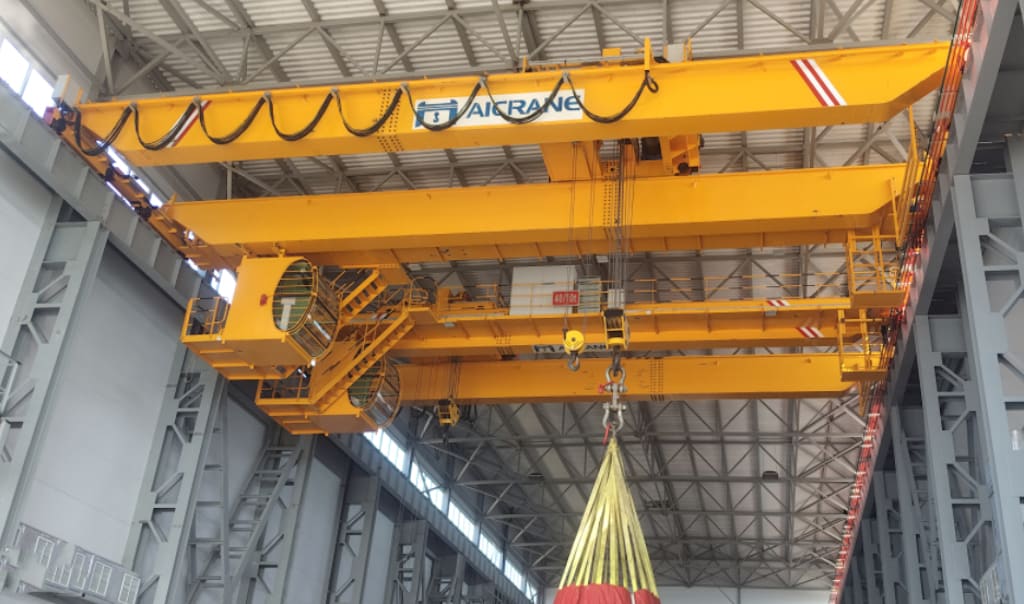
A 40 ton overhead crane is a critical piece of heavy lifting equipment widely used in steel plants, precast concrete yards, shipyards, warehouses, and heavy manufacturing facilities. Because it handles extremely high loads, its structural integrity directly affects workplace safety, production efficiency, and operational cost. Regular and systematic inspection of the crane structure is not just a maintenance task—it is a safety requirement that prevents catastrophic failures and unplanned downtime.
This article provides a comprehensive guide to inspection guidelines for 40 ton overhead crane structures, covering key inspection areas, frequency, methods, and best practices based on modern industrial standards.
1. Importance of Structural Inspection for 40 Ton Overhead Cranes
The structural components of a 40 ton overhead crane carry dynamic and static loads during every lifting cycle. Over time, these components are exposed to:
- Fatigue stress from repeated lifting operations
- Dynamic impact loads from load swinging or sudden stops
- Environmental corrosion (humidity, chemicals, coastal air)
- Thermal expansion and contraction in extreme climates
- Mechanical wear from long-term service
If structural issues are not identified early, they can lead to deformation, crack propagation, or even structural collapse. Therefore, routine inspection ensures:
- Safe operation under rated load
- Compliance with international safety standards (ISO, FEM, CMAA)
- Extended crane service life
- Reduced maintenance and repair costs
- Prevention of workplace accidents
2. Key Structural Components to Inspect
A 40 ton overhead crane typically consists of a double girder bridge structure, end carriages, runway beams, and supporting welds and connections. Each area must be carefully evaluated.
2.1 Main Girder Inspection
The main girders are the most critical load-bearing components.
Inspection points include:
- Visible deformation or deflection
- Weld seam integrity along the entire girder length
- Cracks near high-stress zones (mid-span and support points)
- Corrosion, especially in outdoor installations
- Torsional twisting or uneven bending
Special attention should be given to areas where the trolley runs, as repeated load cycles create fatigue stress concentration.
2.2 End Carriage Structure
End carriages connect the crane bridge to the runway system and transfer loads to wheels.
Inspect for:
- Wheel alignment and rotation condition
- Cracks around wheel mounting brackets
- Bolt tightness and connection stability
- Uneven wear patterns on wheels
- Structural deformation due to overload events
Misalignment in end carriages can lead to rail wear and operational instability.
2.3 Welded Joints and Connections
Welded joints are potential weak points under long-term cyclic loading.
Inspection methods include:
- Visual inspection for surface cracks
- Magnetic particle testing (for ferromagnetic materials)
- Ultrasonic testing for internal flaws
- Dye penetrant testing for surface discontinuities
Key weld zones include:
- Girder-to-end carriage joints
- Reinforcement plates
- Lifting lug areas
- Stiffener connections
Even small cracks should be treated seriously, as they may expand under repeated load cycles.
2.4 Runway Beam and Rail System
Although part of the building infrastructure, runway beams are integral to crane safety.
Check for:
- Rail straightness and alignment
- Rail wear and surface damage
- Bolt anchoring condition
- Settlement or deformation of supporting structure
- Proper expansion gaps in long runway systems
Misaligned rails can cause uneven wheel loading, leading to structural stress on the 40 ton double girder crane.
2.5 Lifting Points and Load Transfer Areas
Even though the hoist system is mechanical, structural inspection should include load transfer points:
- Trolley wheel supports
- Cross girder reinforcement zones
- Load-bearing brackets
- Stress concentration areas near lifting zones
These areas experience repeated high stress and are prone to fatigue damage.
3. Inspection Frequency Guidelines
A proper inspection schedule ensures early detection of structural issues.
Daily Inspection (Operator Level)
- Visual check for obvious deformation
- Unusual noise or vibration during operation
- Abnormal crane movement or skewing
Weekly Inspection (Maintenance Staff)
- Check bolts and fasteners
- Inspect wheel condition and rail contact
- Observe weld areas for visible cracks
Monthly Inspection
- Measure girder deflection
- Inspect structural alignment
- Check corrosion levels in exposed areas
- Lubrication condition around moving interfaces
Annual Comprehensive Inspection
- Full structural nondestructive testing (NDT)
- Load testing under controlled conditions
- Detailed alignment and deformation analysis
- Engineering assessment report
For heavy-duty applications (A6–A8 duty class), inspection frequency should be increased.
4. Inspection Methods and Tools
Modern crane inspection uses a combination of visual and advanced diagnostic techniques.
4.1 Visual Inspection
- The first and most important step:
- Cracks, rust, deformation, paint damage
- Weld discoloration or stress marks
- Structural misalignment
4.2 Non-Destructive Testing (NDT)
Common methods include:
- Ultrasonic Testing (UT): Detect internal cracks
- Magnetic Particle Inspection (MPI): Surface and near-surface flaws
- Dye Penetrant Testing (PT): Surface crack detection
- Radiographic Testing (RT): Deep structural inspection
4.3 Laser Alignment Systems
Used to measure:
- Girder deflection
- Rail straightness
- End carriage alignment
4.4 Load Testing
Simulates real operating conditions:
- Typically 100%–125% of rated load
- Observes structural deflection behavior
- Verifies safety margin compliance
5. Common Structural Problems Found in 40 Ton Cranes
During inspections, engineers frequently find:
- Girder deflection beyond allowable limits
- Weld fatigue cracks at mid-span areas
- End carriage misalignment due to impact loads
- Corrosion in outdoor steel structures
- Bolt loosening from vibration
- Rail unevenness causing skew movement
- Early identification is crucial to prevent escalation.
6. Environmental Factors Affecting Structural Integrity
Different environments significantly impact crane structure:
- Coastal environments: accelerate corrosion
- Cold regions: material brittleness risk
- High-temperature zones: thermal expansion stress
- Dust-heavy industries: wear on joints and moving parts
- Chemical plants: corrosion from airborne chemicals
Protective coatings, regular repainting, and sealed structural design help mitigate these risks.
7. Best Practices for Structural Inspection Management
To ensure effective inspection programs, follow these best practices:
7.1 Maintain Inspection Records
Keep detailed logs of:
- Inspection dates
- Findings and defects
- Repair actions
- NDT reports
7.2 Use Qualified Inspectors
Only trained and certified personnel should perform structural inspections, especially for NDT testing.
7.3 Follow Manufacturer Guidelines
Each crane design may have specific inspection requirements depending on span, duty class, and application.
7.4 Implement Predictive Maintenance
Use sensors and monitoring systems to detect:
- Stress accumulation
- Load cycles
- Structural vibration changes
7.5 Immediate Repair of Defects
Even minor cracks or deformation should not be ignored, as structural fatigue grows rapidly under heavy loads.
8. Conclusion
Inspection of a 40 ton overhead crane structure is a vital safety and maintenance process that ensures reliable performance in demanding industrial environments. From main girders and end carriages to weld joints and runway systems, every component must be systematically evaluated using visual checks, advanced NDT methods, and scheduled maintenance routines.
By implementing strict inspection guidelines and proactive maintenance strategies, operators can significantly extend crane lifespan, reduce downtime, and most importantly, ensure safe and stable heavy lifting operations.
A well-maintained 40 ton overhead crane is not only a productivity asset—it is a critical safety system in modern industrial infrastructure.
About the Creator
Aicrane01
Welcome to the Aicrane Blog, your practical guide to lifting solutions. Discover articles covering overhead cranes, gantry cranes, winches, steel structures, boat lifts, and more.
Website: https://steelmillcranes.com/
Enjoyed the story? Support the Creator.
Subscribe for free to receive all their stories in your feed.
Comments
There are no comments for this story
Be the first to respond and start the conversation.