
Insights from Darshan Hiranandani - Emerging Real Estate Trends Shaping the Market
Technology's Impact on Real Estate: PropTech and Smart Homes
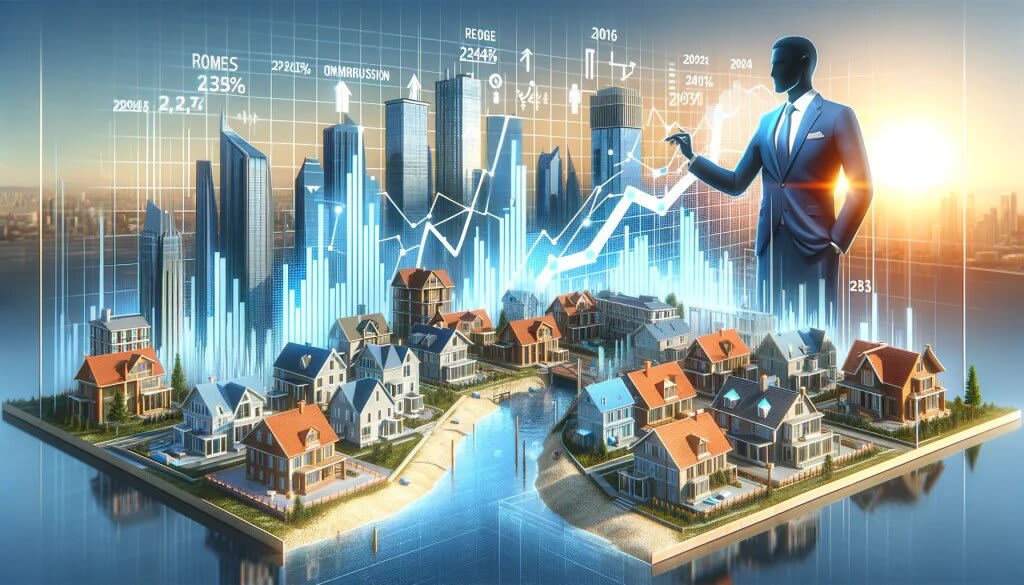
The real estate market is constantly evolving, shaped by new technologies, shifting consumer preferences, and changing economic landscapes. As we look toward the future, thought leaders like Darshan Hiranandani, a prominent figure in the real estate industry, offer invaluable insights into the trends that are shaping the market and how investors, developers, and homebuyers can navigate these changes. In this blog, we’ll explore some of the key real estate trends highlighted by Hiranandani and provide actionable insights for stakeholders looking to stay ahead.
1. Rise of Hybrid Workspaces and Remote Working Solutions
With the pandemic triggering a massive shift toward remote work, many companies and individuals are reevaluating their real estate needs. Darshan Hiranandani emphasizes the long-term impact of hybrid working models on commercial real estate. As businesses adopt flexible work structures, demand for traditional office spaces is being replaced by a rise in demand for collaborative hybrid workspaces.
Investors and developers are increasingly focusing on creating office spaces that facilitate collaboration while supporting remote and flexible working arrangements. These modern spaces integrate technology, design, and functionality to meet the changing demands of businesses.
Key Takeaway: Developers should focus on creating adaptable office spaces with flexible layouts and state-of-the-art technology to cater to the growing trend of hybrid working.
2. Sustainability and Green Buildings
Sustainability has long been a priority in real estate, but in recent years, it has become a central focus for both investors and consumers. Darshan Hiranandani points out that green building practices are no longer just a niche; they’re a mainstream expectation. With increasing concerns about climate change, energy efficiency, and environmental responsibility, there is a growing demand for eco-friendly buildings that minimize environmental impact.
From solar panels to energy-efficient HVAC systems, developers are incorporating green technologies into both residential and commercial real estate. Buildings that meet sustainability standards like LEED certification are becoming more attractive to investors and tenants alike.
Key Takeaway: Developers who embrace green technologies and sustainability will not only appeal to environmentally-conscious consumers but also stand out in a competitive market.
3. Technological Integration in Real Estate
Technology is transforming the way people buy, sell, and manage real estate. From AI-powered property management tools to virtual tours and blockchain-based property transactions, the role of technology is expanding across the real estate sector. Darshan Hiranandani highlights the growing influence of proptech, which is making processes more efficient, transparent, and user-friendly.
For instance, augmented reality (AR) and virtual reality (VR) are becoming critical tools in property sales, allowing buyers to tour properties remotely. Similarly, smart home technologies, including IoT (Internet of Things) devices, are enhancing the appeal of new homes by offering increased convenience and energy efficiency.
Key Takeaway: Real estate professionals should invest in emerging technologies to streamline operations, improve customer experiences, and stay ahead of competitors.
4. Increased Demand for Mixed-Use Developments
One trend that Darshan Hiranandani has highlighted in his talks is the growing popularity of mixed-use developments. These projects combine residential, commercial, and recreational spaces into a single, integrated community. Mixed-use developments offer convenience and reduce the need for long commutes, making them particularly appealing to both residents and businesses.
This trend is also linked to the desire for more walkable neighborhoods and better access to amenities. In addition to creating a sense of community, mixed-use developments contribute to the revitalization of urban areas, turning underutilized spaces into thriving hubs of activity.
Key Takeaway: Developers should explore opportunities for mixed-use projects that foster community engagement and provide a range of amenities, including retail, dining, and workspaces.
5. Affordable Housing and Urbanization
As cities grow, the demand for affordable housing continues to increase. Darshan Hiranandani emphasizes the need for affordable housing solutions, particularly in urban centers where the cost of living is skyrocketing. Governments, developers, and real estate investors must collaborate to create housing that is both accessible and sustainable.
Affordable housing is not only an investment opportunity but also a social responsibility. By focusing on this segment, developers can contribute to reducing urban inequality while tapping into a growing market of potential buyers and renters.
Key Takeaway: Addressing the affordable housing crisis through innovative designs, cost-effective materials, and government partnerships will help developers cater to a larger, more diverse pool of buyers.
6. The Shift Toward Suburban and Secondary Markets
Another trend shaping the real estate market is the growing migration from urban centers to suburban and secondary markets. As remote work becomes more commonplace and people seek more space, suburbs are seeing a resurgence in popularity. This shift is also fueled by rising housing costs in major cities, prompting individuals and families to look for more affordable options in less densely populated areas.
Hiranandani notes that this shift is not just limited to residential real estate—commercial real estate is also expanding to these areas, as businesses seek to establish offices in less expensive and more spacious locations.
Key Takeaway: Investors should consider exploring opportunities in suburban and secondary markets, where demand is increasing and competition in major urban centers may be more intense.
7. Short-Term Rentals and the Gig Economy
The rise of the gig economy and platforms like Airbnb and Vrbo has changed the dynamics of real estate ownership and investment. Short-term rentals have become an attractive option for property owners looking to generate additional income.
Darshan Hiranandani suggests that the growing popularity of short-term rentals will continue to shape residential real estate, especially in tourist hotspots and major cities. This trend has made real estate investment more accessible to a wider range of investors, from small property owners to large institutional investors.
Key Takeaway: Property owners and investors should explore the potential of short-term rental markets, especially in locations with high tourism traffic or demand for temporary housing.
Conclusion: Navigating the Changing Real Estate Landscape
Darshan Hiranandani’s insights into the real estate market highlight several important trends that are shaping the future of the industry. From hybrid workspaces and green buildings to the integration of technology and the rise of mixed-use developments, it’s clear that adaptability is key for developers, investors, and homebuyers.
The real estate industry is undergoing significant transformation, and staying ahead of these trends will be essential for success. By embracing innovation, sustainability, and flexibility, stakeholders can position themselves for growth in the evolving market.
Final Thoughts: As we look to the future, Darshan Hiranandani’s predictions and industry trends offer a roadmap for how real estate professionals can thrive in a rapidly changing landscape. Whether you’re a developer, investor, or homebuyer, understanding these emerging trends will help you navigate the market and make informed decisions that lead to long-term success.
About the Creator
Enjoyed the story? Support the Creator.
Subscribe for free to receive all their stories in your feed.
Comments
There are no comments for this story
Be the first to respond and start the conversation.