
Inside the Growing Carrier Screening Market: A New Era of Genetic Awareness
As demand for early detection rises, carrier screening is emerging as a key tool in modern healthcare systems

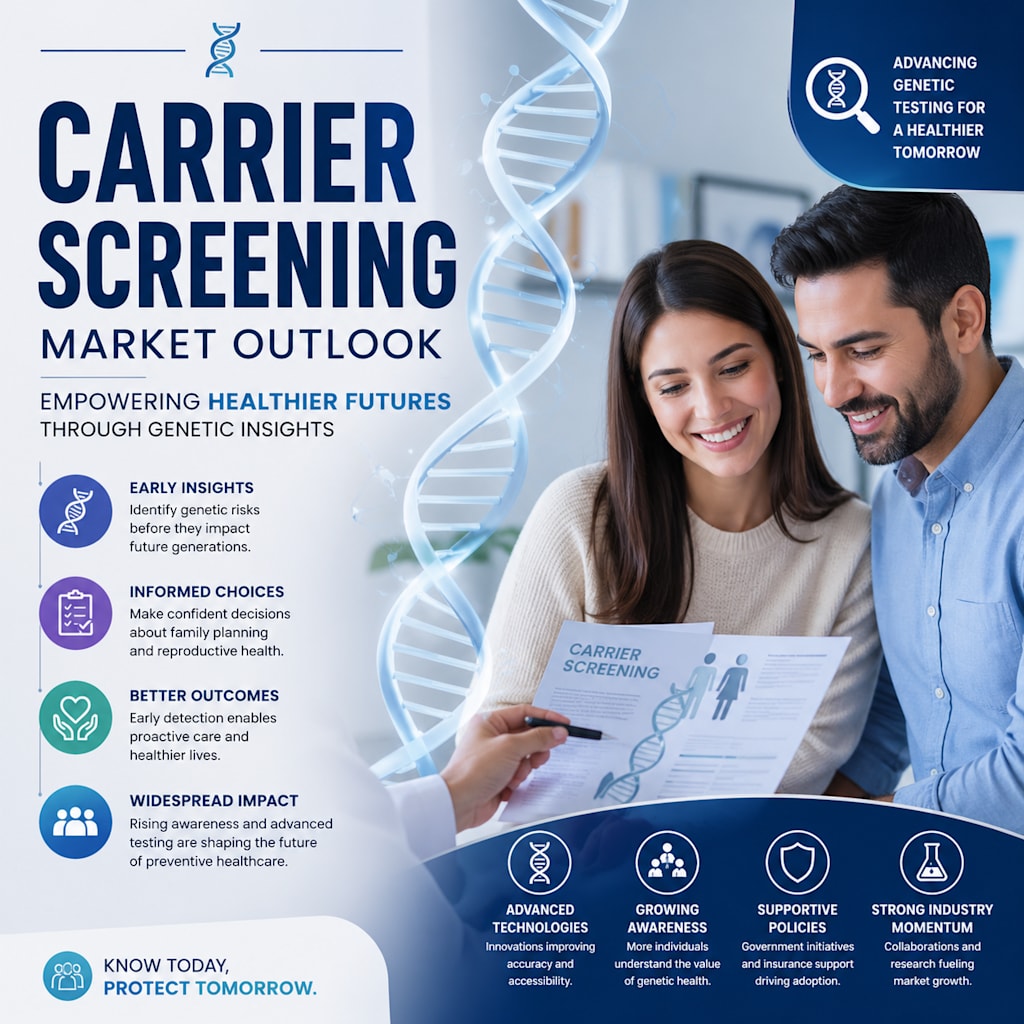
For decades healthcare has focused mainly on the treatment of diseases‚ however this model is changing․
Preventive and personalized medicine has given people a new way to think about health care and their health situation in terms of genetically inherited diseases․ Risks are addressed before diseases develop‚ rather than after the onset of symptoms‚ which has customarily been the practice․
This is one area where carrier screening is making a difference․
Carrier screening involves testing individuals for genes associated with inherited disorders․ It is usually done prior to bearing offspring․ The test was once performed mainly in a specialty‚ but it is now increasingly being performed in primary care․
A Market Growing Alongside Preventive Healthcare
The global market for carrier screening was estimated at USD 2․0 billion in 2024 and is projected to reach USD 4․5 billion by 2033․
This translates to a compound annual growth rate (CAGR) of 9․3% between 2025 and 2033․
This reflects not only technology but also increased attention by patients‚ physicians‚ and regulators on testing to achieve early detection‚ risk mitigation‚ and informed decision-making‚ with better health outcomes․
Carrier screening can be part of this new model․
Why Early Genetic Awareness Is Becoming Essential
One of the most important driving factors behind the increased uptake of carrier screening is the awareness of inherited genetic conditions․
Many genetic disorders (e․g․‚ cystic fibrosis‚ sickle cell disease) can be passed on by parents who themselves do not have the disorder․ Carrier screening identifies carriers of these disorders․
This information allows individuals and couples to adjust their decisions regarding:
- Family planning
- Prenatal care
- Reproductive options
- Preventive healthcare strategies
At times‚ the effect on the health of the patient may be reduced or avoided altogether if a genetic disorder is detected at an early stage․
Technology Is Transforming Genetic Testing
The development of genetic technologies is one of the largest factors towards the growth of the carrier screening market․
New advances‚ such as next-generation sequencing (NGS)‚ allow for high-accuracy testing of multiple genes at the same time where previously multiple separate tests would have been performed‚ which can make testing more efficient․
Newer technologies‚ including whole genome sequencing and gene editing tools such as CRISPR‚ are pushing the boundaries yet again․
These innovations allow for genetic testing․
- More accurate
- Faster
- More affordable
- Widely accessible
It is this expanded availability that is making carrier screening a mainstream rather than specialized component of healthcare․
Awareness Is Increasing Demand
Public awareness of genetic health is increasing․
The public is increasingly aware of the advantages of early screening for the disorder‚ especially among couples wanting to conceive‚ and healthcare professionals are starting to consider genetic counseling a standard practice․
There remains a lack of awareness․
The public is generally aware of genetic testing‚ though research indicates that many do not understand how genetic testing works or why it is important․ This suggests opportunities to improve public knowledge and understanding of genetic testing․
As awareness improves‚ demand is expected to continue rising․
Government's Role in Healthcare Policy Implementation
Government support has also been identified as a major factor for the carrier screening market․
However‚ in many countries‚ the importance of early genetic screening is now being recognized and policy is beginning to shift:
Carrier screening offered by public health programs
Broad insurance coverage of genetic tests
Support research in the genomics and diagnostics
Efforts are also being made to make screening more available and affordable and to increase uptake․
The United States Became a Major Innovator
Historically‚ the US has led the market in carrier screening and continues to dominate․
The presence of developed healthcare infrastructure and major biotechnology companies has made the country a leader in the area of genetic testing․
With improved diagnostic tools‚ heightened awareness‚ and easier access to genetic counseling‚ carrier screening is now offered more routinely in clinical practice․
Further‚ the rise of direct-to-consumer genetic testing services is making genetic information more widely available to the general public․
The combination of innovation‚ affordability and awareness is helping the United States maintain its leadership position vis-a-vis the world market․
Used for a spectrum of conditions
Use of carrier screening in various genetic disorders has been proposed․
Pulmonary disorders such as cystic fibrosis remain one of the most common categories screened due to their prevalence and impact․
Meanwhile‚ a screening process is underway elsewhere:
- Hematological conditions
- Neurological disorders
- Rare genetic diseases
As testing capabilities improve‚ carrier screening can help to provide a more complete picture of an individual's health․
Hospitals‚ labs‚ and expanded access to screening
Carrier screening is still commonly performed in hospitals or clinics․
These centers provide both testing and genetic counseling to help patients understand their results and what action to take․
Reference laboratories have become more prominent‚ assisting healthcare providers with accurate diagnoses by performing more advanced testing․
As genetic testing becomes more common in medicine‚ access to carrier screening is expected to increase․
Regional Growth: Where Are the Markets Growing?
How widely carrier screening is used․
North America is leading in the market due to established healthcare systems and awareness and regulation in the region․
Due to increased birth rates‚ spending on health care‚ and greater awareness of genetic disorders‚ the Asia-Pacific region is expected to be a high growth region․
Europe continues to progress steadily with government-backed healthcare programs and its established research infrastructure․
In Latin America and parts of the Middle East adoption is slowly increasing as awareness and access to healthcare improves․
A Competitive and Fast-Moving Industry
The carrier screening market is competitive․
The major companies include:
- Increasing the number of detectable genetic conditions
- Improving accuracy and speed․
- Lowering costs to reach wider populations
- Partnering with healthcare providers and research institutions
Partnerships‚ acquisitions‚ and innovation are slowly reshaping the competitive landscape․
Companies are competing not only on technology‚ but also on accessibility‚ education‚ and the customer experience․
Problems That Still Need to Be Resolved
Obstacles to the quick rise of the market exist․
One of the biggest challenges is awareness‚ as most patients have never heard of carrier screening and are not sure whether they could benefit from it․
Concerns have also been expressed about:
- Data privacy and protection of genetic information
- Ethics of genetic testing
- Cost barriers in some areas
Resolving such difficulties will be critical to the long-term viability of the industry․
The Future of Carrier Screening
In the long term‚ carrier screening may become an accepted part of medical care․
In the future‚ testing will become more thorough‚ less expensive‚ and more personalized․
Future developments may include:
- AI-driven genetic analysis
- More precise risk prediction models
- Wider integration into primary healthcare systems
- Expanded role in personalized medicine
The goal is to change the health system to one that prevents conditions rather than reacting․
Final Thoughts
Carrier screening is a powerful new tool in modern medicine․
It therefore gives individuals and families the information needed to make informed choices that may considerably influence their long-term health outcomes․
It is likely that with increasing awareness and technology‚ carrier screening will move from being an optional test to routine preventive health care․
And in that shift lies one of the most important transformations in how we think about health‚ from treating disease to preventing disease from occurring․
About the Creator
Robert
Senior Market Researcher at IMARC Group, specializing in global market analysis, industry trends, and data-driven insights across diverse sectors.
Enjoyed the story? Support the Creator.
Subscribe for free to receive all their stories in your feed.
Comments
There are no comments for this story
Be the first to respond and start the conversation.