
Industrial Power Generators: Backbone of Uninterrupted Operations
Industrial power generators are heavy-duty machines designed to generate electrical power for large operations.
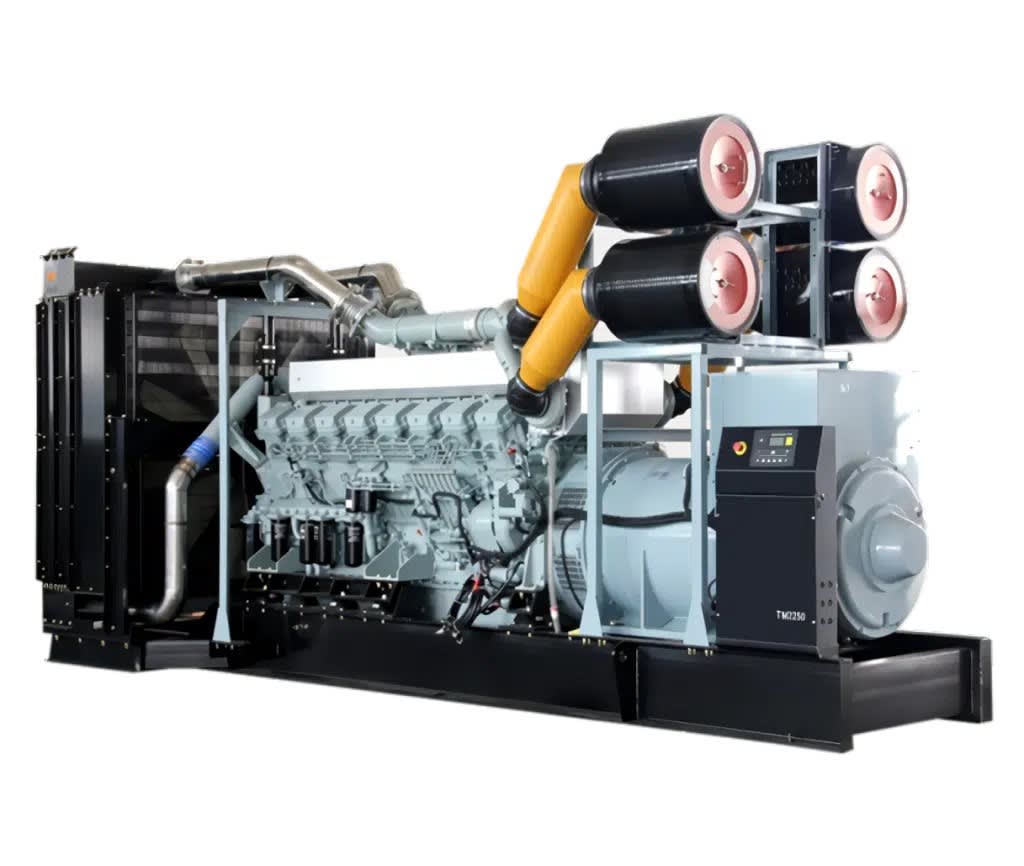
In today’s fast-paced industrial landscape, the importance of uninterrupted power cannot be overstated. Whether it's a manufacturing plant, data center, construction site, or mining operation, reliable electricity is critical for maintaining productivity and safety. Industrial power generators play a vital role in providing backup and primary power solutions where grid power is unavailable or unstable. These robust machines are engineered to deliver high-capacity, consistent energy tailored to the demands of large-scale applications.
What Are Industrial Power Generators?
Industrial power generators are heavy-duty machines designed to generate electrical power for large operations. Unlike smaller residential generators, industrial units are built for long run-times, higher loads, and tougher environments. They are often used as:
* Backup generators for emergency situations
* Primary power sources for remote or off-grid locations
* Supplementary units during peak load periods
These generators can be powered by diesel, natural gas, propane, or even renewable energy sources in hybrid systems. Their design includes soundproof enclosures, advanced control systems, and automatic transfer switches (ATS) that ensure seamless switching during power outages.
Key Features of Industrial Power Generators
1. High Power Output
Industrial generators range from 50 kW to several megawatts, depending on application needs. This makes them suitable for running entire facilities, from lighting and HVAC systems to complex machinery and equipment.
2. Durability and Reliability
Built with industrial-grade components, these generators are capable of operating continuously in extreme environments such as deserts, arctic zones, or dusty construction sites.
3. Advanced Control Systems
Modern units come equipped with microprocessor-based control panels, allowing remote monitoring, real-time diagnostics, and load management. These systems enhance efficiency and reduce downtime.
4. Fuel Efficiency and Compliance
Industrial power generators are increasingly designed with fuel-efficient engines and emission control systems to comply with international environmental standards like EPA Tier 4 or EU Stage V.
Applications of Industrial Power Generators
1. Manufacturing and Processing
Factories rely on consistent power to keep production lines running. Even a short power loss can result in significant financial loss and damage to machinery.
2. Construction
Remote construction sites often lack grid access. Industrial generators provide the primary power needed for tools, cranes, lighting, and mobile offices.
3. Healthcare Facilities
Hospitals and medical centers use industrial standby generators to maintain critical life-saving equipment during blackouts.
4. Data Centers
Power interruptions can cause data loss and disrupt services. Industrial generators ensure continuous power supply to server rooms and cooling systems.
5. Mining and Oil & Gas
These sectors often operate in isolated locations. Generators support both operational and residential power needs in harsh field environments.
Types of Industrial Power Generators
1. Diesel Generators
Known for their rugged performance and fuel efficiency, diesel generators are widely used in industrial settings. They are ideal for long-duration and high-load operations.
2. Natural Gas Generators
Cleaner and quieter than diesel, natural gas generators are well-suited for urban or indoor use. They are connected to utility gas lines, reducing the need for on-site fuel storage.
3. Hybrid Generators
Combining renewable energy sources with traditional fuels, hybrid systems reduce fuel consumption and emissions while ensuring continuous power.
Benefits of Using Industrial Generators
* Operational Continuity: Keeps critical systems online during grid failures.
* Flexibility: Mobile and stationary units are available to meet different operational needs.
* Cost Savings: Prevents costly downtime and product losses.
* Safety: Ensures lighting and essential systems function during emergencies.
Challenges and Considerations
While industrial generators offer significant advantages, there are important factors to consider:
* Initial Cost: High upfront investment for purchasing and installation.
* Maintenance: Regular servicing is essential to avoid unexpected failures.
* Fuel Storage: Requires space and safety measures for on-site fuel handling.
* Noise and Emissions: Must comply with local regulations on pollution and noise levels.
Conclusion
Industrial power generators are indispensable assets for businesses that require uninterrupted power. From disaster recovery to remote operations, these machines provide reliable, scalable, and durable energy solutions that keep industries running. As technology evolves, we can expect even more efficient, quieter, and cleaner generators to meet the growing global demand for industrial power resilience.
About the Creator
Enjoyed the story? Support the Creator.
Subscribe for free to receive all their stories in your feed.
Comments
There are no comments for this story
Be the first to respond and start the conversation.