
Indoor Plants Market Signals a New Era of Everyday Green Living
Indoor plants reshape modern spaces as wellness, design, and sustainability trends converge
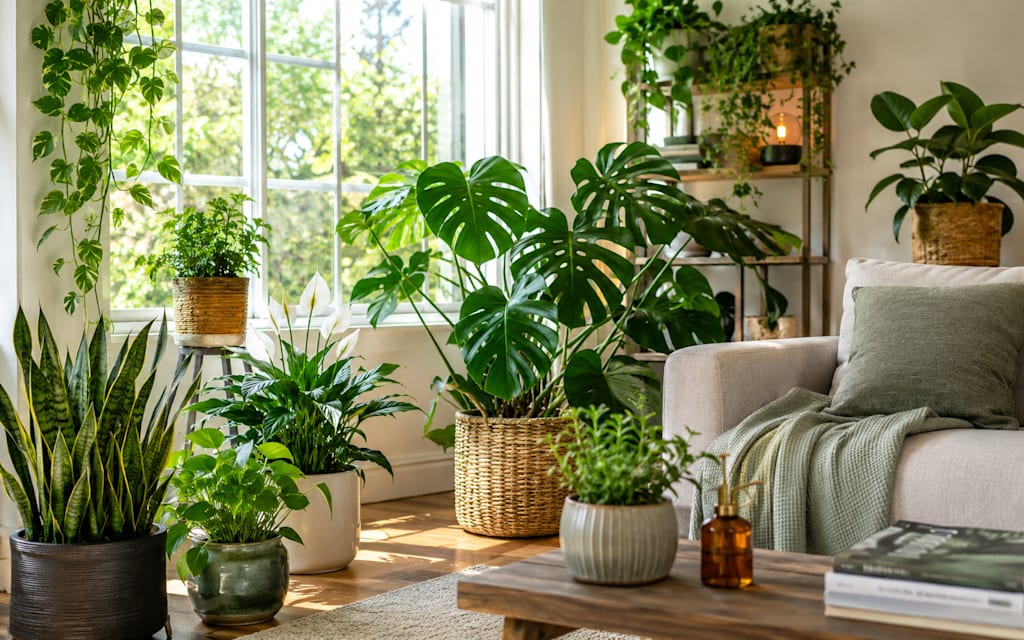
A high-resolution, copyright-free image of a bright contemporary living room filled with lush indoor plants near large sunlit windows, featuring monstera, snake plants, pothos, and peace lilies arranged in stylish planters. Natural lighting, warm tones, and a clean lifestyle aesthetic suitable for wellness and home décor themes.
The morning light slipped through the curtains and landed softly on a collection of green leaves lining a small apartment window. In a city filled with concrete towers, those plants created something unexpected: a feeling of calm. What once served as simple decoration has evolved into a meaningful part of modern living.
Across homes, offices, cafés, and workspaces, indoor plants are becoming symbols of comfort, personal expression, and a stronger connection to nature. As lifestyles continue to change, consumers are embracing greenery not only for aesthetics but also for the atmosphere it creates. This shift is helping transform a niche gardening category into a growing global business trend.
Green Spaces Become Everyday Essentials
The popularity of indoor gardening reflects broader changes in consumer behavior. More people are spending time improving their living environments and seeking elements that promote relaxation and visual appeal. Plants fit naturally into this movement, offering a simple way to refresh a room without major renovations.
Industry observers note that the indoor plants market continues to benefit from growing interest in home décor, wellness-inspired interiors, and sustainable lifestyle choices. Social media platforms have further amplified the trend by showcasing creative plant displays and encouraging consumers to experiment with different varieties.
According to Mordor Intelligence, the Indoor Plants Market is expected to grow from USD 13.12 billion in 2025 to USD 13.61 billion in 2026 and is forecast to reach USD 16.36 billion by 2031, expanding at a CAGR of 3.75% during 2026–2031.
Lifestyle Trends Continue Driving Growth
A major factor supporting demand is the increasing integration of nature into interior design. Designers frequently incorporate greenery to soften spaces and create visual balance. This influence extends from luxury homes to compact urban apartments.
Within industry discussions, the indoor plants market size often serves as an indicator of changing consumer preferences. Growing urban populations and limited access to outdoor gardens encourage residents to bring nature indoors instead. Plants help transform small spaces into inviting environments while complementing modern furniture and minimalist design trends.
The appeal also spans multiple generations. Young professionals appreciate the aesthetic value of plants, while families often view them as a way to create warmer, more welcoming homes. Remote workers have contributed to the trend as well, seeking comfortable environments that support productivity and well-being.
Additional drivers include:
- Increased interest in biophilic design
- Growing awareness of sustainable living
- Expansion of online plant retail channels
- Rising popularity of home improvement projects
- Greater exposure through digital content creators
These influences collectively strengthen the market's long-term outlook and keep consumer interest active across different regions.
Retailers Adapt to Changing Consumer Expectations
As demand evolves, businesses are finding new ways to connect with plant enthusiasts. Retailers now offer curated collections, beginner-friendly kits, and educational content designed to improve customer confidence.
Recent industry conversations suggest that indoor plants market Share is increasingly influenced by companies that successfully combine convenience, product variety, and digital engagement. Consumers often research plants online before making purchases, creating opportunities for retailers to provide detailed care information and personalized recommendations.
The broader indoor plants Industry is also benefiting from innovation in packaging, delivery services, and customer support. These improvements help reduce purchasing barriers while encouraging repeat sales among first-time buyers.
Meanwhile, analysts monitoring the houseplant market size point to continued consumer enthusiasm for products that enhance everyday living spaces. Rather than viewing plants as temporary décor items, many buyers now see them as long-term lifestyle companions that contribute to the character and identity of a home.
As urban living continues to expand and wellness-focused design remains influential, indoor plants are positioned to maintain their relevance. Their ability to blend beauty, simplicity, and personal connection gives them a unique place in modern life.
The next time you notice a thriving plant on a windowsill, desk, or bookshelf, it may represent more than a design choice—it could be part of a global movement redefining the relationship between people and the spaces they call home.
What role do indoor plants play in your daily environment, and which variety has become your favourite companion?
About the Creator
Enjoyed the story? Support the Creator.
Subscribe for free to receive all their stories in your feed.
Comments
There are no comments for this story
Be the first to respond and start the conversation.