
Indonesia’s Trade Surplus Narrows to US$3.36 Billion in September, Beating Forecasts Amid Commodity Boom
Southeast Asia’s largest economy recorded a trade surplus significantly higher than expected, driven by robust exports of processed palm oil and nickel, even as rising global energy costs pushed import bills higher.

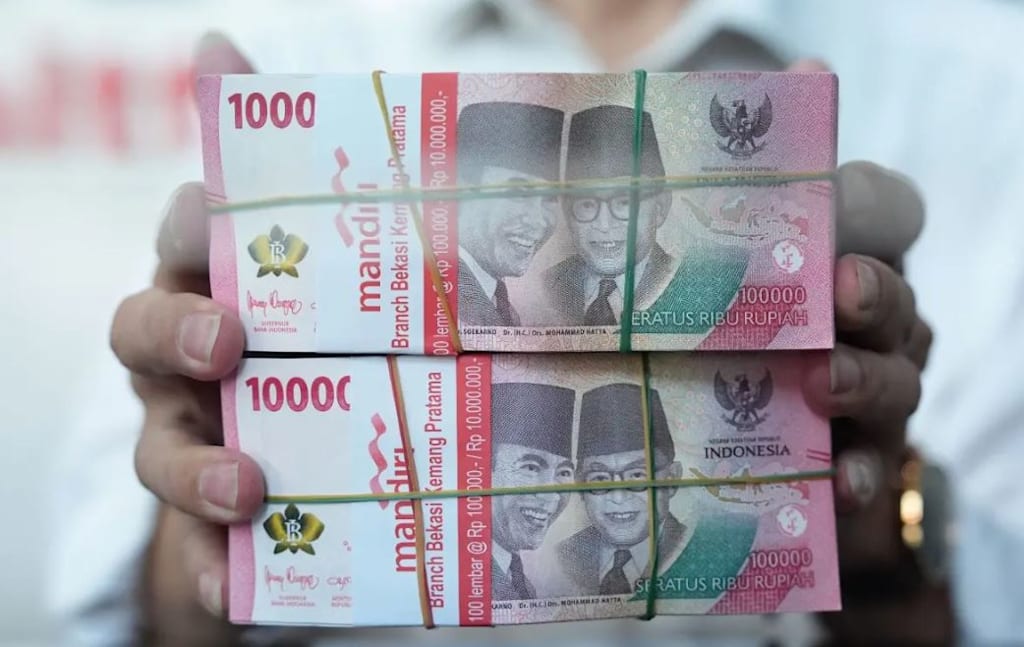
Indonesia’s trade surplus narrowed slightly to US$3.36 billion (RM13.66 billion) in September, official data released by Statistics Indonesia (BPS) on Monday showed. While this represents a modest decline from the revised US$3.55 billion surplus recorded in August, it stands in stark contrast to market expectations. A Reuters poll of economists had predicted a much narrower surplus of just US$1.9 billion, underscoring the unexpected resilience of Indonesian exports in a volatile global trading environment.
Export Surge Driven by Green Minerals and Processed Goods
The primary driver of the stronger-than-expected performance was a vigorous expansion in export revenues. In September, total exports climbed by 11.87% year-on-year to reach US$27.59 billion, nearly doubling the 6.45% growth rate anticipated by analysts. This surge reflects sustained global demand for Indonesia’s diversified commodity basket, which has successfully pivoted from raw materials to higher-value processed goods.
Key contributors to this growth included:
Nickel and Downstream Products: As the world’s largest producer of nickel, Indonesia continues to benefit from the global electric vehicle (EV) boom. Exports of ferronickel, stainless steel, and other downstream nickel products remained robust, supported by strong demand from battery manufacturers in Asia and Europe.
Processed Palm Oil: Despite environmental scrutiny in some Western markets, demand for Indonesian palm oil derivatives remained steady, particularly from key buyers in India, China, and Pakistan. The shift toward exporting refined palm oil rather than crude palm oil (CPO) has helped stabilize revenues against price fluctuations.
Aluminium and Base Metals: Increased industrial activity in global manufacturing hubs drove higher shipments of aluminium and other base metals, further bolstering the export ledger.
Additionally, rising global crude oil prices, exacerbated by ongoing geopolitical tensions in the Middle East, provided a tailwind for Indonesia’s energy-related exports, including coal and natural gas, although these sectors face long-term transition pressures.
Import Bills Swell Due to Energy Costs
On the import side, Indonesia recorded an 18.41% year-on-year increase to US$24.23 billion. While this figure was lower than the 20.83% surge forecast by analysts, it still represents a significant outflow of capital, primarily driven by the country’s status as a net importer of refined petroleum products.
The escalation of conflict in the Middle East has kept global crude oil prices elevated, directly impacting Indonesia’s fuel import bill. As domestic consumption and industrial activity remain resilient, the demand for gasoline, diesel, and aviation fuel has kept import volumes high. This dynamic creates a complex economic picture: while Indonesia benefits from higher prices for its exported commodities like coal and palm oil, it simultaneously suffers from increased costs for imported energy, squeezing the net trade balance.
However, the fact that import growth came in below forecasts suggests some moderation in non-essential goods or capital equipment imports, possibly reflecting cautious spending by businesses amid global economic uncertainty.
Structural Strengths and Future Outlook
The wider-than-expected trade surplus underscores the structural advantages of Indonesia’s economy. Its rich endowment of critical minerals, particularly nickel, copper, and bauxite, positions it favorably in the global green energy transition. The government’s downstreaming policy, which bans the export of raw ores to force domestic processing, has begun to yield tangible results in the form of higher export values and greater integration into global supply chains for EVs and renewable energy infrastructure.
For policymakers, the September data offers a mix of relief and caution. The strong export performance supports economic growth, bolsters foreign exchange reserves, and helps stabilize the rupiah. However, the persistent pressure from high energy import bills serves as a reminder of the vulnerabilities inherent in being a net fuel importer.
Looking ahead to the final quarter of 2026, Indonesia’s trade trajectory will likely remain tied to two key factors: the evolution of global commodity prices, particularly for energy and metals, and the intensity of geopolitical conflicts affecting shipping and supply chains. If Middle East tensions de-escalate, energy import costs could moderate, potentially widening the surplus further. Conversely, if global demand for EVs slows or protectionist trade policies emerge in key markets, Indonesia’s export momentum could face headwinds.
For now, however, the data confirms that Indonesia’s strategy of leveraging its natural resource wealth through downstream industrialization is paying dividends, providing a crucial buffer against external shocks and maintaining its position as a stable anchor in the Southeast Asian economy.
About the Creator
Mark Lim
Hi I am mark an automotive student and a car, tech and food enthusiast ! Im gonna try and post daily & hope you enjoy what I write and do share my page with people you know. I would gladly appreciate it! Cheers
Enjoyed the story? Support the Creator.
Subscribe for free to receive all their stories in your feed. You could also give them a one-off tip, letting them know you appreciate their work.
Comments
There are no comments for this story
Be the first to respond and start the conversation.