
Indonesia Moves to Curb Fuel Subsidies for the Rich: Pertalite Access Set for Restriction
The government aims to target luxury car owners and high-income households, but questions remain over implementation.

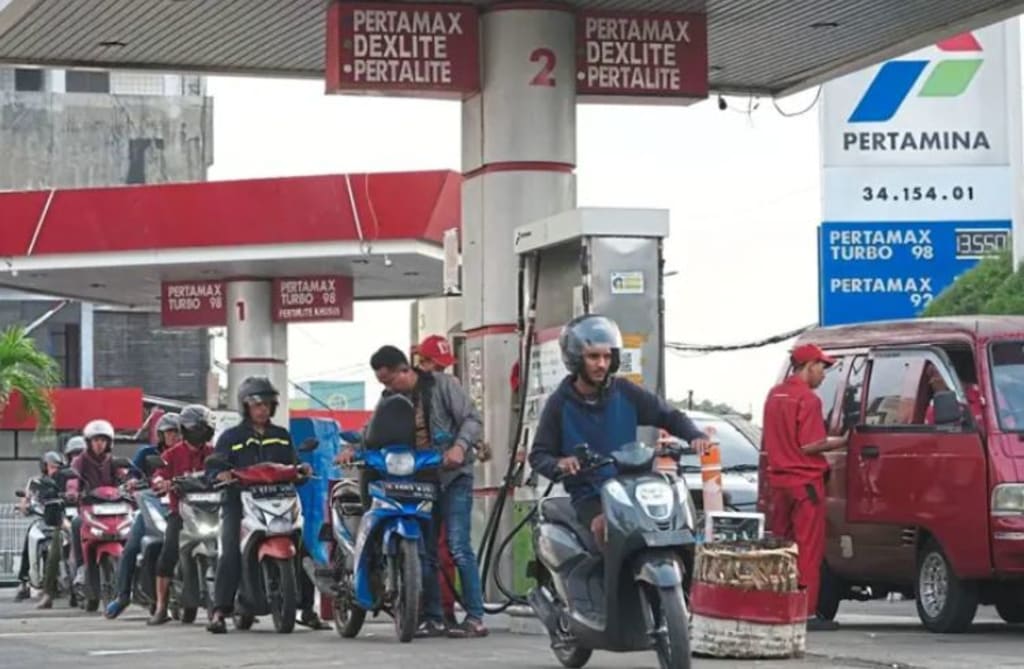
The Indonesian government is mulling barring households in the top two socioeconomic groups from buying Pertalite, the subsidised RON 90 petrol, with luxury car owners potentially among those targeted, Finance Minister Purbaya Yudhi Sadewa says.
The government is exploring ways to restrict Pertalite purchases by those classified in deciles nine and 10 under the National Socioeconomic Single Data, which together represent the top 20% of households, though it has yet to decide how the restrictions would work.
“We have discussed the possibility of implementing restrictions on Pertalite subsidies for those in upper-income groups. So that later, not now, but in a few months, we can gradually reduce [their access],” Purbaya told reporters, as quoted by Kompas.com.
A Long-Awaited Reform
The plan marks the latest attempt by the government to tighten the targeting of fuel subsidies, a perennial challenge in Southeast Asia's largest economy. For years, policymakers have grappled with how to ensure that subsidised fuel reaches those who need it most, rather than being consumed by the wealthy.
Purbaya said the government was still preparing and testing a system to ensure subsidised fuel reaches eligible recipients, adding that the plan would incorporate proposals from Energy and Mineral Resources Minister Bahlil Lahadalia.
Bahlil said the two ministers had also discussed broader changes to the distribution of energy subsidies, which he said were still benefitting some high-income households.
“We know that some subsidies have not been properly targeted. Why should we subsidise rich people? Take Pertalite, for example,” Bahlil said.
“Don’t drive a BMW or a Mercedes and still use subsidised fuel. That’s what the minister meant,” he added, referring to the type of luxury vehicles that could be affected by the policy.
Subsidy Costs and Global Pressures
The government also pledged to keep subsidised fuel prices unchanged despite continued volatility in global crude prices while seeking other ways to contain the cost of subsidies.
Bahlil added the latest review would cover broader energy subsidies, but it would not include restricting Pertalite purchases by motorcycles.
“We have agreed that, given the uncertainty in global prices, we are committed, under the President’s direction, that subsidised fuel prices will not increase,” Bahlil said. “That is the most important thing.”
The Energy Ministry set the Indonesian Crude Price for July at US$81.68 per barrel, citing an easing of tensions and renewed diplomatic efforts between the United States and Iran, recovering oil supplies and improving traffic through the Strait of Hormuz, according to a ministry decree.
Meanwhile, Pertamina had raised prices of its non-subsidised fuels by around 32% in June amid recent volatility in global crude oil prices and prevailing market conditions.
A History of Unfinished Reform
The government had considered restricting purchases of subsidised fuel for years, particularly after soaring global oil prices and a sharp depreciation of the rupiah against the US dollar following Russia’s invasion of Ukraine pushed fuel subsidy costs well above budgeted levels in 2022.
Previous proposals included limiting purchases of Pertalite and Solar, Pertamina’s subsidised diesel fuel with a cetane number of 48, based on vehicle type and engine capacity.
Under an earlier plan, vehicle owners would have been required to register through a smartphone application so Pertamina could verify whether they were eligible to buy subsidised fuel.
But the plan was ultimately delayed as the government opted instead to raise subsidised fuel prices in 2022, which have remained unchanged until now.
The government's latest push to restrict fuel subsidies for the wealthy reflects a broader effort to improve the efficiency of state spending and reduce fiscal pressures. With global oil prices remaining volatile and the rupiah under pressure, the need for targeted subsidies has never been more urgent.
However, the plan faces significant challenges. Implementing a system that can accurately identify eligible recipients and enforce restrictions on luxury car owners will require robust data infrastructure and coordination between ministries. Past attempts have been delayed by technical and political hurdles, and it remains to be seen whether the current proposal will fare any better.
For now, the government has signalled that it will move gradually, taking a few months to prepare and test the system before implementing any changes. But the message is clear: subsidised fuel is for those who need it most, not for those who can afford to pay the market price.
Key Takeaways
Target Group: Deciles 9 and 10 (top 20% of households)
Vehicle Focus: Luxury cars such as BMW and Mercedes-Benz
Motorcycles: Will not be restricted
Timeline: A few months for preparation and testing
Price Commitment: Subsidised fuel prices will not increase
Historical Context: Similar proposals have been delayed in the past
About the Creator
Mark Lim
Hi I am mark an automotive student and a car, tech and food enthusiast ! Im gonna try and post daily & hope you enjoy what I write and do share my page with people you know. I would gladly appreciate it! Cheers
Enjoyed the story? Support the Creator.
Subscribe for free to receive all their stories in your feed.
Comments
There are no comments for this story
Be the first to respond and start the conversation.