
Individual Quick Freezing (IQF) Market: A Cold-Chain Cold Rush
Cryogenic Technological Shifts & Fluidized Bed Innovations Move the Industrial Food Processing Business Toward $33 Billion

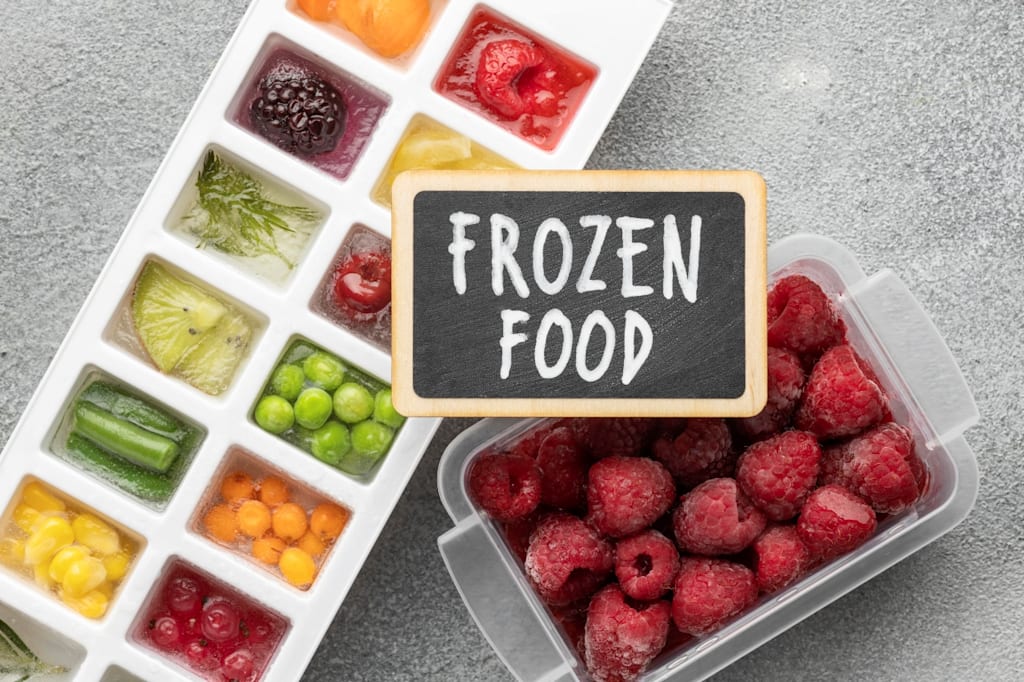
The way global agricultural networks and food manufacturers handle delicate raw ingredients is undergoing a quiet but massive rewrite.
It wasn’t that long ago that choosing frozen foods meant accepting mushy, single-block masses of berries or vegetables that lost their shape, texture, and natural juices during the slow thawing process.
However, step into any modern food processing facility or browse a supermarket's premium frozen aisle today, and you will see a total transformation. Brands are utilizing advanced Individual Quick Freezing (IQF) systems to freeze every single pea, shrimp, or diced mango completely separate from the next. By instantly passing raw items through high-velocity cold air streams, operators are stopping ice crystal damage at the cellular level, turning highly perishable seasonal harvests into premium, year-round inventory.
This technical evolution is generating extensive commercial value. According to the latest comprehensive data from Mordor Intelligence, the global Individual Quick Freezing (IQF) market size achieved USD 24.45 billion in 2025 and is anticipated to reach USD 33.69 billion by 2030. Fueled by a continuous global demand for convenient, clean-label food options and massive retail cold-chain investments, the industry is forecast to expand at a steady 6.62% CAGR during the forecast period.
The Cellular Advantage: Defeating the Large Ice Crystal
The primary driver behind this multi-billion-dollar expansion is the physical chemistry of the freezing cycle itself. In traditional slow-freezing tunnels, the temperature drops gradually, which gives water molecules inside the food tissue ample time to bind together and form large, sharp ice crystals. These large crystals puncture and tear the delicate cellular walls of fruits, proteins, and vegetables. When the food thaws, those ruptured cells leak valuable moisture, nutrients, and flavor compounds, leaving behind a structurally degraded, unappealing product.
IQF processing completely removes this quality bottleneck. By dropping the thermal core of individual food pieces below the zone of maximum ice crystal formation in mere seconds, the technology restricts crystal structures to a microscopic scale. The cellular walls remain completely unbroken. This means that when a consumer opens a bag of frozen berries or pre-cut vegetables months after harvest, the food retains the exact crunch, vibrant color, and nutritional profile of a freshly picked crop, allowing brands to justify premium price points.
Strategic Market Breakdown: Technologies, Products, and Horizons
The internal product architecture of the global marketplace highlights a highly competitive dynamic between traditional mechanical efficiency and high-speed gas technologies:
- Mechanical Freezing Dominates the Core: By technology, mechanical freezing systems captured 66.44% of the Individual Quick Freezing market share. Food processors favor mechanical air-blast and fluidized bed setups because they deliver highly cost-effective, continuous operations. While mechanical freezers demand substantial upfront capital expenditure, they provide significant long-term operating cost advantages, frequently showing full investment recovery periods under two years in high-volume processing lines.
- Cryogenic Sols Speed Ahead: While mechanical systems handle the bulk of baseline volumes, cryogenic freezing technology is expanding at a fastest-in-class 7.37% CAGR. Utilizing ultra-low-temperature liquid nitrogen or carbon dioxide sprays, cryogenic freezers deliver incredibly fast processing speeds and absolute structural preservation, gaining massive acceptance for delicate seafoods, meats, and high-value plant proteins.
- Vegetables Lead the Volume, Fruits Accelerate: From a product perspective, vegetables commanded 37.44% of the global IQF market size, acting as the foundational volume workhorse for global food retail chains. Concurrently, the fruits segment is forecast to post the fastest growth, moving at a 6.99% CAGR due to a surging consumer preference for smoothie mixes, organic berries, and tropical fruit chunks.
Low Concentration: Strategic Tech Partnerships for Regional Growth
Operating an international IQF processing footprint requires balancing massive machinery scale against localized crop harvesting windows. The market structure exhibits a moderate level of consolidation, leaving a wide, profitable playing field open for agile regional equipment specialists and niche food processors.
While global engineering giants like Marel, GEA Group, and JBT Corporation leverage their vast corporate networks to deploy massive, custom tunnel systems, regional companies are carving out high-margin niches. Local firms are increasingly entering into strategic technology partnerships with modular equipment designers, such as adopting specialized OctoFrost or Scanico bed configurations to focus on hyper-local product categories like farm-to-table organic produce, cell-based meat lines, or regional seafood specialties. This flexible setup allows smaller processors to match the quality standards of multinational integrators without duplicating their massive infrastructure overheads.
Regional Engines: North American Footprints, Asia-Pacific Velocity
From a geographic perspective, the market shows a powerful contrast between highly mature cold networks and rapidly growing developing economies:
- North America: Stands firmly as the largest regional market, capturing a dominant 35.22% share of global revenue. This leadership is anchored by an exceptionally mature food retail infrastructure, a massive consumption base for ready-to-eat frozen meals, and strict regulatory standards demanding total food safety verification from processing floor to store shelf.
- Asia-Pacific: Has emerged as the global hotspot for fastest incremental growth, pacing the global outlook with a 7.24% CAGR. This rapid acceleration is being powered by major, ongoing investments in cold-chain logistics across China, India, and Southeast Asia. As progressive urbanization and rising middle-class disposable incomes reshape local diets, regional populations are quickly adopting premium, packaged frozen foods, turning IQF processing into an indispensable asset for domestic food security.
Final Thoughts: Preserving the Harvest
As the global IQF market advances toward its USD 33.69 billion milestone in 2030, the category provides an excellent blueprint for how industrial manufacturing can successfully elevate the quality of our global food supply. By pairing advanced thermodynamic engineering with automated mechanical lines, flexible regional partnerships, and cleaner cryogenic technologies, the sector is ensuring that seasonal freshness is no longer dictated by the calendar.
The next time you pour a handful of perfectly separated frozen blueberries into your morning bowl or cook a mix of crisp, vibrant stir-fry vegetables, take a brief moment to look at the food's structure. Behind that immediate freshness sits a highly sophisticated global network of precision airflow mechanics, strict automated food safety controls, and sub-zero logistical networks working together behind the scenes. Industrial preservation is turning cleaner, faster, and incredibly precise, one individual frozen piece at a time.
About the Creator
Harvey Specter
I am passionate about Food & Beverage, Ag, & Animal Nutrition companies. I help organizations unlock their data's potential and fuel business growth. My expertise transforms raw data into actionable insights for strategic decisions.
Enjoyed the story? Support the Creator.
Subscribe for free to receive all their stories in your feed.
Comments
There are no comments for this story
Be the first to respond and start the conversation.