
India’s Food Regulator Cracks Down on FMCG Giants: Nestle and Unilever Face Action Over Misleading Health Claims
In a significant escalation of its nationwide food safety drive, the FSSAI has issued show-cause notices to Nestle India and Hindustan Unilever, targeting the lucrative but heavily scrutinized nutritional supplement market.

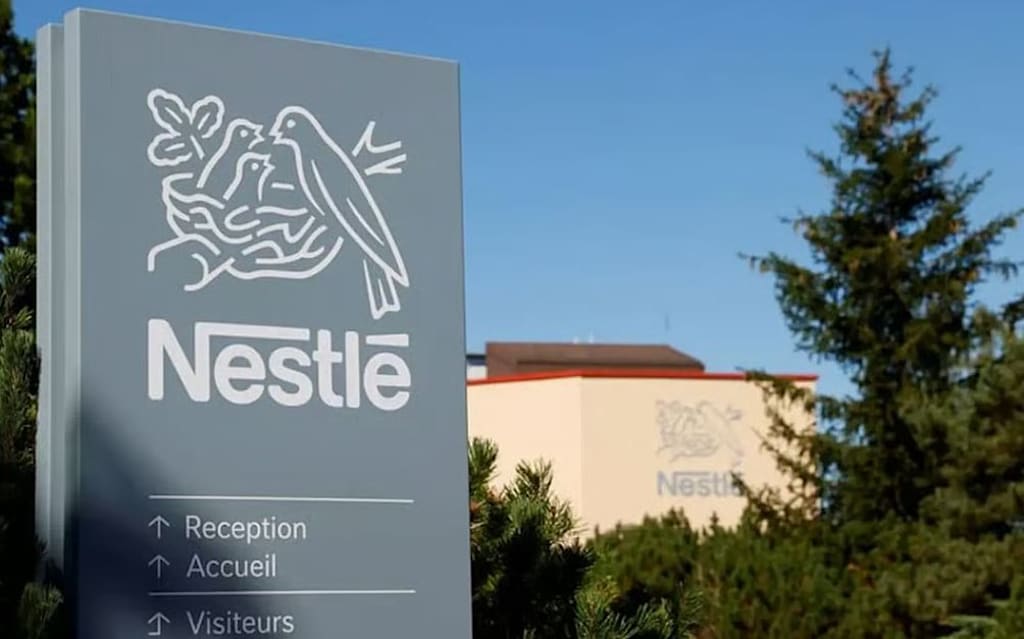
NEW DELHI — India’s apex food regulator, the Food Safety and Standards Authority of India (FSSAI), has initiated strict action against two of the country’s largest Fast-Moving Consumer Goods (FMCG) behemoths, Nestle India Ltd and Hindustan Unilever Ltd (HUL). The regulator has issued formal notices to both companies over alleged misleading health claims and labeling violations regarding their nutritional supplements, marking a major expansion of its ongoing nationwide safety crackdown.
The move underscores a shifting regulatory landscape in India, where authorities are increasingly prioritizing scientific substantiation over aggressive marketing in the multi-billion-dollar health and wellness sector.
Scrutinizing the Claims: Nestle and HUL Under the Microscope
The FSSAI’s notices detail specific infractions related to products targeted at vulnerable or health-conscious demographics.
In the case of Nestle India, the regulator flagged its "Resource Renal Vanilla Flavour Powder." Marketed as a specialized dietary supplement intended to help manage medical conditions (specifically related to renal or kidney health), the product falls under strict regulatory purview. According to an official communication posted on X (formerly Twitter) by the FSSAI, Nestle allegedly failed to seek the mandatory prior approval required for such specialized medical foods. Furthermore, the regulator noted a critical labeling omission: the product packaging did not display the legally mandated vegetarian or non-vegetarian logo, a statutory requirement in India that carries immense cultural and religious significance for consumers.
Hindustan Unilever, meanwhile, faced scrutiny over its legacy health drink brand, Horlicks. The FSSAI flagged the ‘Horlicks Mother’s Plus Kesar 400 g BIB’ for allegedly making unsubstantiated claims regarding a “happy birth weight,” a phrase regulators argue implies a guaranteed medical outcome for pregnant women. Additionally, the ‘Horlicks Women’s Plus’ variant was cited for making specific functional claims, including “improves bone health,” “healthy muscles,” and “no added sugar.” Under Indian food safety laws, such functional claims require rigorous, pre-approved scientific backing and must adhere to precise phrasing guidelines to prevent misleading consumers.
“Both companies were in contravention of its rules,” the FSSAI stated, demanding formal responses and scientific justifications from the manufacturers.
The Corporate Defense: Science vs. Regulation
The responses from the two multinational giants highlight the friction between corporate marketing strategies and evolving regulatory frameworks.
Hindustan Unilever swiftly defended its portfolio. In an emailed statement, the company asserted that its products fully comply with all applicable legal and regulatory requirements. HUL emphasized its commitment to transparency, stating it will share comprehensive “scientific and regulatory evidence” with the authorities to substantiate its health claims.
Nestle India did not immediately respond to requests for comment regarding the latest notices. However, the company has historically maintained a firm stance on its regulatory adherence, having previously stated that its products are fully compliant with Indian laws.
A Widening Net: FSSAI’s Nationwide Crackdown
These notices are not isolated incidents but rather part of a broader, aggressive mandate by the FSSAI to clean up India’s food and beverage sector. Over the past several months, the federal regulator has launched sweeping actions against a wide array of entities, including food manufacturers, cloud kitchens, luxury hotels, restaurants, and major e-commerce platforms.
The crackdown targets a spectrum of violations, from misleading labels and inappropriate marketing (especially to children) to the operation of illegal manufacturing units and improper food storage practices. This heightened vigilance has been largely catalyzed by a surge in consumer advocacy on social media, where viral complaints regarding poor product standards, unhygienic restaurant practices, and deceptive packaging have forced regulators to act swiftly to maintain public trust.
Compounding Pressures for Nestle
For Nestle India, this latest notice adds to a growing list of regulatory headaches. Just weeks prior, in September, the FSSAI had initiated separate legal action against the company for allegedly breaching infant nutrition marketing rules and for substandard manufacturing practices at certain facilities. The infant nutrition sector is highly sensitive in India, and the FSSAI strictly prohibits the promotional marketing of infant milk substitutes to encourage breastfeeding. Nestle had defended itself during that September inquiry as well, maintaining that its manufacturing and marketing practices were well within the bounds of the law.
However, repeated notices from the apex regulator can lead to severe consequences, ranging from hefty financial penalties and product recalls to reputational damage in a highly competitive market where consumer trust is paramount.
The Road Ahead for India’s FMCG Sector
The FSSAI’s actions against Nestle and HUL serve as a stark warning to the broader nutraceutical and FMCG industries in India. As the post-pandemic consumer becomes increasingly health-conscious, the market has been flooded with products boasting immunity-boosting, bone-strengthening, and disease-managing properties.
Regulators are now making it clear that the era of loosely substantiated "health halos" on packaging is over. Moving forward, companies operating in India’s food and supplement space will likely need to invest heavily in clinical trials, rigorous compliance teams, and transparent labeling practices. As the FSSAI continues to leverage both its statutory powers and social media feedback to police the market, the margin for error for even the largest multinational corporations is rapidly shrinking.
About the Creator
Mark Lim
Hi I am mark an automotive student and a car, tech and food enthusiast ! Im gonna try and post daily & hope you enjoy what I write and do share my page with people you know. I would gladly appreciate it! Cheers
Enjoyed the story? Support the Creator.
Subscribe for free to receive all their stories in your feed.
Comments
There are no comments for this story
Be the first to respond and start the conversation.