
Importance of Humidity and Temperature Chamber in Atmospheric Plasma Etching Studies
Controlling the Environment for Accurate Results
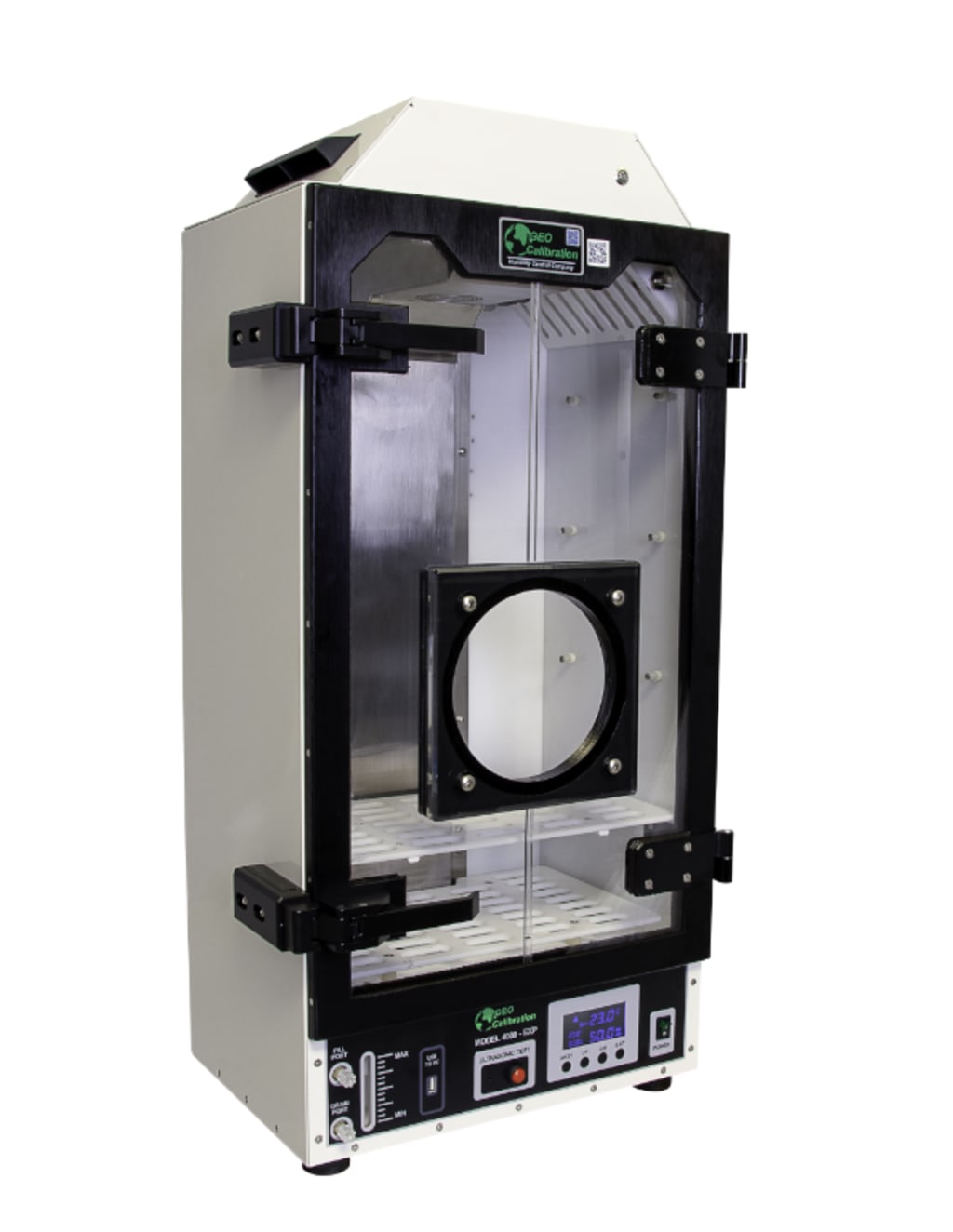
Dry etching methods, such as focussed ion beams, require particle acceleration in a vacuum, but plasma etching eliminates this requirement. This particle acceleration method has various potential scientific applications, including effective particle deposition onto a surface, dislodgement from a surface, and interaction between or within the accelerated particles. The humidity and temperature chamber can test and adjust the humidity for the hydrophobic surfaces used in atmospheric plasma etching by eliminating the need for a vacuum in particle acceleration.
Humidity and temperature equipment has many uses, including but not limited to the following –
- Testing the effects of radiation on space electronics.
- Radiotherapy for the treatment of cancer.
- The design of anti-radiation protective gear.
- The use of ion beams for dry etching during microelectromechanical systems production.
Although particle acceleration in a vacuum is required for ion beams, atmospheric plasma etching can be conducted without one, simplifying the setup and lowering expenses. Furthermore, atmospheric plasma etching under natural conditions allows for quick processing. Polymer Nano texturing and modifications to silicon wafers' surfaces are two examples.
According to research, humidity significantly impacts the efficiency of plasma etching nylon six films. Researchers investigated the influence of moisture uptake on the efficacy of atmospheric plasma etching of polyamide. Furthermore, highly hydrophobic surfaces are required for atmospheric plasma etching to achieve the required contact angles. As a result, humidity detection and control are essential in some way for effective atmospheric plasma.
There are a number of different humidity and temperature chambers available on the market. These chambers typically have a range of temperature and humidity settings, and they can be used to simulate a variety of different environmental conditions.
When choosing a humidity and temperature chamber for atmospheric plasma etching studies, it is important to select a chamber that has the features that you need. For example, you will need to consider the range of temperature and humidity settings that you need, as well as the size of the chamber.
Humidity and temperature chambers are an essential tool for conducting atmospheric plasma etching studies. By using a humidity and temperature chamber, you can ensure that the etching conditions are consistent, and that the results of your studies are accurate.
Here are some of the benefits of using a humidity and temperature chamber in atmospheric plasma etching studies:
- Consistent etching conditions: Using a humidity and temperature chamber ensures that the etching conditions are consistent, which can improve the accuracy of the results of your studies.
- Increased control over the etching process: A humidity and temperature chamber gives you more control over the etching process, which can help you to optimize the etching conditions for your specific needs.
- Improved reproducibility of results: Using a humidity and temperature chamber can help you to improve the reproducibility of your results, which can be important for validating your findings.
Hygro-Remote humidity and temperature chamber may be utilized in such investigations to achieve accurate humidity on the surface or environment within which etching is performed or to pre-treat the material before plasma etching.
To learn more about our humidity and temperature chamber regarding your laboratory use, contact our highly experienced engineers. At Geo Calibration Inc., we design, manufacture, sell, and distribute a wide selection of humidity calibration equipment to diverse material laboratories, pharma, industrial manufacturing, and calibration service industries.
I hope this blog has given you a better understanding of the importance of humidity and temperature chambers in atmospheric plasma etching studies. If you have any further questions, please feel free to contact our experts at (631) 471-6157 or (631) 943-1999, or email us at [email protected] if you have any questions regarding our humidity and temperature chambers.
About the Creator
Ammey
I am a writer with a deep understanding of the science of humidity and temperature. I am creative and resourceful, and I use my knowledge to write engaging and informative content about these topics.
Enjoyed the story? Support the Creator.
Subscribe for free to receive all their stories in your feed.
Comments
There are no comments for this story
Be the first to respond and start the conversation.