
Impact of Digital Fabric Cutting on Sustainable Textile Production
How digital fabric cutting machine scales production
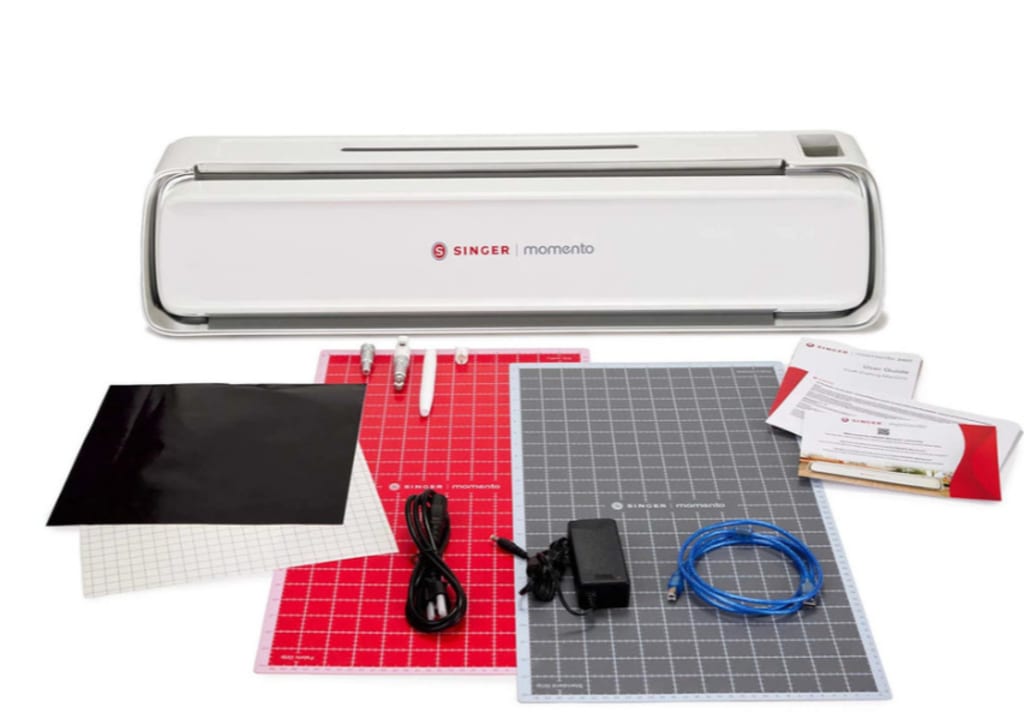
The textile industry has long been known for its environmental challenges, particularly in terms of resource consumption and waste generation. However, the integration of innovative technologies is beginning to transform the sector, driving sustainability and reducing its ecological footprint. Among the most impactful innovations is the digital fabric cutting machine. This technology offers a significant opportunity to enhance sustainability in textile production by improving material utilisation, reducing waste, and streamlining manufacturing processes.
Reducing Waste with Digital Cutting Technology
One of the primary benefits of digital fabric cutting machines is their ability to significantly reduce fabric waste. In traditional cutting methods, such as manual or even some semi-automated techniques, fabric waste can accumulate due to inefficient cutting patterns, human error, and the limitations of the machinery used. Even small errors or inefficient layouts can lead to substantial waste over time, particularly when cutting high-cost or specialised materials.
Digital fabric cutting machines address this issue by using advanced software that optimises the cutting process. These machines are equipped with cutting-edge algorithms that precisely calculate the most efficient use of the fabric, ensuring that each piece is cut with minimal leftover material. This advanced technology allows for more accurate nesting, where patterns are arranged in the most compact and material-efficient way possible. As a result, fabric waste is reduced, and more usable material is generated from each roll of fabric.
This reduction in waste directly translates into environmental benefits, as fewer raw materials need to be sourced, transported, and processed. Reducing fabric waste also decreases the amount of textile waste that ends up in landfills, contributing to the industry's overall efforts to reduce its environmental impact.
Improved Material Utilisation and Cost Efficiency
In addition to reducing waste, digital fabric cutting machines help optimise the utilisation of materials, which is another key aspect of sustainable textile production. By enhancing material efficiency, businesses can make better use of their fabric resources, reducing the need for excessive raw material purchases.
The ability to fully utilise every square inch of fabric means that manufacturers are able to maximise their output without the need to purchase additional materials. This not only leads to cost savings but also reduces the environmental footprint associated with fabric production. The less material that is wasted, the fewer resources are required to meet demand, helping manufacturers to operate in a more sustainable manner.
Furthermore, these machines enable businesses to work with a variety of fabrics, including high-end, specialty, and eco-friendly textiles. With digital cutting technology, companies can optimise their material usage across different fabric types, allowing them to take full advantage of sustainable and renewable fabrics without unnecessary waste. This flexibility is crucial in today’s market, where consumer demand for sustainable textiles is on the rise.
Energy Efficiency and Reduced Carbon Footprint
Another important aspect of sustainability is energy consumption, particularly within the manufacturing process. Traditional fabric cutting methods, including manual and mechanical cutting, can require significant energy input, especially when large volumes of material are being processed. The digital fabric cutting machine is designed to operate more efficiently, using advanced technology that reduces both the amount of energy consumed and the overall carbon footprint of the production process.
Digital machines operate with greater precision, which results in faster production times and less overall energy consumption compared to traditional methods. The ability to optimise cutting patterns means that less time is spent on fabric preparation and cutting, and fewer machine adjustments are required throughout the process. The result is a reduction in energy usage, which not only cuts costs but also supports sustainability initiatives by lowering the carbon footprint of the production cycle.
Supporting Circular Economy Initiatives
The implementation of digital fabric cutting machines can also support circular economy models in the textile industry. In a circular economy, the goal is to extend the lifecycle of products, reduce waste, and ensure that materials are reused or recycled whenever possible. Digital cutting technology contributes to this model by ensuring that more of the fabric is utilised during production, which minimises the need for disposal and reduces waste.
Moreover, the precise cutting capabilities of these machines facilitate the recycling and repurposing of textile scraps. For example, the accurate cutting of fabric can make it easier to sort and reuse leftover materials in new products, further supporting sustainable practices. This is particularly beneficial in industries such as fashion, where remnant materials can be turned into new designs or used in secondary markets.
Encouraging Sustainable Design Practices
In addition to improving material utilisation and reducing waste, digital fabric cutting machines also encourage sustainable design practices. Designers can utilise the digital technology to experiment with innovative patterns and cutting techniques that maximise the use of fabric while still maintaining creative integrity. This capability allows designers to focus on creating sustainable collections without being restricted by the limitations of traditional cutting methods.
Furthermore, digital cutting technology enables a more precise approach to customisation, where small batches or even one-off items can be produced efficiently. This on-demand production reduces the need for overproduction, which is a significant problem in the textile industry. By enabling small, tailored production runs, manufacturers can reduce the environmental impact of mass production and ensure that garments are produced only when there is demand.
About the Creator
Enjoyed the story? Support the Creator.
Subscribe for free to receive all their stories in your feed.
Comments
There are no comments for this story
Be the first to respond and start the conversation.