
Impact of AEPS Software on Last-Mile Banking Services in India
AEPS Software
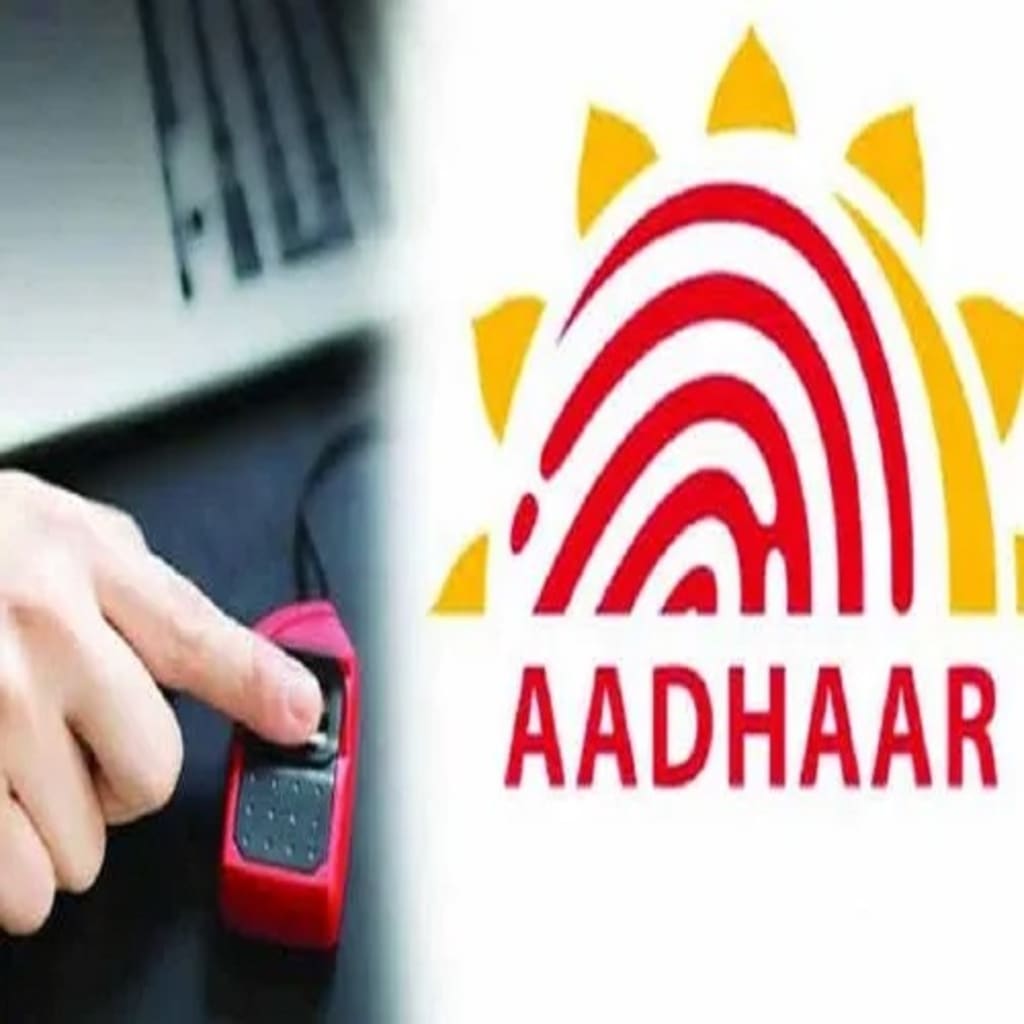
In recent years, AEPS software development has transformed last-mile banking services in India by enabling secure and simple Aadhaar-based transactions. AEPS, which stands for Aadhaar Enabled Payment System, allows users—especially those in rural and remote areas—to access banking services through biometric authentication without needing debit cards or smartphones. This innovation is a key driver of financial inclusion and rural empowerment.
Here’s how AEPS software is making a strong impact on India’s last-mile banking ecosystem.
What Is AEPS and How Does It Work?
AEPS is a digital payment solution that allows banking transactions using a person’s Aadhaar number and biometric fingerprint or iris scan. The system connects to the UIDAI and NPCI networks to validate user identity and complete real-time transactions. Services available through AEPS include:
Cash withdrawal
Balance inquiry
Mini statements
Aadhaar-to-Aadhaar fund transfers
These services are made available at retail shops, Common Service Centers (CSCs), and micro banking points in villages and small towns.
How AEPS Software Supports Last-Mile Banking
1. Financial Inclusion for the Unbanked
Millions of people in India do not have access to traditional banks or ATMs. AEPS software bridges this gap by allowing local agents to offer banking services using just a biometric device and internet connection. This brings banking facilities to the doorsteps of people who previously had none.
2. Easy Access Without Cards or Internet
Unlike traditional digital banking, AEPS does not require the user to have a smartphone or internet connection. This is crucial for rural populations where digital literacy and connectivity are low. A simple fingerprint is enough to access banking services.
3. Boosting Rural Employment and Business
Retailers and CSC operators using AEPS software become mini banking agents. They earn commissions for every transaction, creating additional income sources and encouraging rural entrepreneurship.
4. Real-Time, Secure Transactions
AEPS transactions are processed through the National Payments Corporation of India (NPCI), ensuring real-time settlements. The biometric verification process ensures the security of each transaction, making it safe and trustworthy for rural users.
AEPS Software Features That Enable Rural Banking
Modern AEPS software solutions come with built-in features designed specifically for ease of use and security at the last mile:
Multi-bank support to serve customers of different banks
User-friendly interfaces for quick processing
Detailed reporting dashboards for agents and administrators
Secure biometric integration for accurate user identification
Admin control panels for managing agent networks and commissions
These features make it easier for small retailers and kiosk operators to manage high transaction volumes with minimal training.
Real-Life Impact on Rural India
In villages across India, AEPS software has reduced the dependency on brick-and-mortar bank branches. Senior citizens, farmers, and women who previously had to travel miles for simple transactions can now access cash and check balances within their locality.
For example, a grocery shop in a rural town can now serve as a micro ATM using AEPS software. This shopkeeper not only earns extra income but also gains respect in the community as a trusted banking point.
Conclusion
AEPS software development is playing a crucial role in strengthening last-mile banking services in India. It brings banking access to people who were earlier excluded from the financial system. With features like biometric security, real-time processing, and low-cost infrastructure, AEPS has proven to be a practical and scalable solution for rural India.
As more digital service providers adopt and enhance AEPS solutions, the future of inclusive banking in India looks strong and secure.
About the Creator
Enjoyed the story? Support the Creator.
Subscribe for free to receive all their stories in your feed.
Comments
There are no comments for this story
Be the first to respond and start the conversation.