
IMF Chief Warns of "Optimism and Worry" as Global Economy Grapples with AI Boom and Iran War Shockwaves
At the Annual Meetings in Bangkok, Kristalina Georgieva highlights the stark divide between advanced economies riding the AI wave and low-income nations crushed by war-driven inflation and a mounting debt crisis.

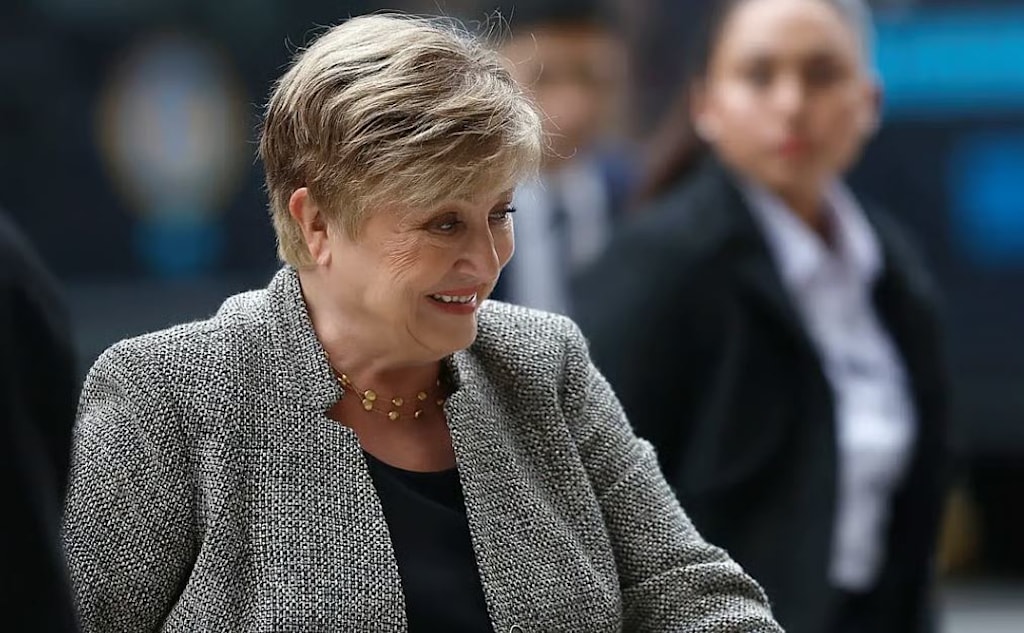
As the International Monetary Fund (IMF) and World Bank Annual Meetings draw to a close in the Thai capital, the prevailing mood among global policymakers is one of profound contradiction. IMF Managing Director Kristalina Georgieva summarized the week’s discussions as being marked by both “optimism and worry,” reflecting a global economy that is simultaneously being propelled by technological breakthroughs and battered by severe geopolitical and macroeconomic headwinds.
Speaking at a press briefing alongside Saudi Finance Minister Mohammed al-Jadaan, Georgieva outlined the dual realities shaping the current economic landscape. On the one hand, there is “optimism from the resilience of the global economy, the promise of AI, and the dynamism of Asia.” On the other hand, there is deep-seated anxiety over the very same forces, compounded by persistent inflation, unsustainable debt levels, ongoing wars, and escalating climate risks.
The Geopolitical Shockwave: Energy Prices and the Iran Conflict
A central source of this "worry" is the ongoing conflict in the Middle East. Global energy prices have spiked dramatically since late February, following the launch of the US and Israeli military campaign against Iran. Tehran’s retaliatory actions, which have targeted Washington’s Gulf allies and severely curtailed regional oil and gas supplies, have sent shockwaves through global markets.
These price increases have rippled across the globe, fueling inflation across a wide spectrum of income groups. However, the burden is not being shared equally. The IMF has repeatedly warned that the most vulnerable to this shock are low-income, oil-importing countries. Unlike advanced economies, which are currently being propped up by a massive boom in AI-related infrastructure investment, these developing nations are being left behind, forced to absorb the full brunt of higher energy costs without the benefit of a tech-driven growth cushion.
"Inflation is Like a Tax on the Poor"
For developing nations, the macroeconomic fallout is devastating. Georgieva emphasized the human cost of these global trends, stating plainly, “I can tell you that people everywhere, but especially in poorer countries, don’t like inflation. Inflation is like a tax on the poor.”
Compounding this crisis is a tightening financial environment. Throughout the week, the IMF has warned that spiking global bond yields and elevated interest rates are making it increasingly difficult for central banks to manage inflation without triggering broader economic pain. For low-income countries, this environment is creating a vicious debt trap. Georgieva revealed a stark statistic: in recent years, the share of debt repayments as a percentage of government revenue for low-income countries has surged from 8% to 14%. This leaves governments with drastically fewer resources to fund essential services, social safety nets, or growth-oriented infrastructure.
The IMF’s Mandate: Shielding the Vulnerable
In response to this mounting crisis, Georgieva asserted that the IMF has a fundamental “responsibility” to assist low-income countries struggling with these compounding price shocks. She outlined a multi-pronged approach that the Fund is prioritizing to prevent a wave of sovereign defaults and economic collapse in the developing world.
This includes a “relentless pursuit of more resources for low-income countries,” as well as active support for:
Debt Restructuring: Helping nations renegotiate their obligations to avoid default and regain fiscal breathing room.
Domestic Resource Mobilization: Assisting governments in improving tax collection and broadening their revenue bases to reduce reliance on volatile external borrowing.
Catalyzing International Finance: Bridging the gap between developing nations and global capital markets.
Fostering Private Investment: Creating the stable, predictable conditions necessary to attract private capital to emerging markets.
“When we do our best, it translates into better lives for people,” Georgieva noted, underscoring that macroeconomic policy must ultimately serve human welfare.
The Bangkok meetings have laid bare the fragility of the current global recovery. While the promise of artificial intelligence and Asian economic dynamism offers a glimpse of a prosperous future, the immediate reality for much of the developing world is defined by the collateral damage of distant wars and tightening financial conditions. As the IMF navigates this complex landscape, its ability to deliver tangible relief to low-income nations will be the ultimate test of whether the global economic architecture can withstand the twin pressures of geopolitical conflict and technological disruption.
About the Creator
Mark Lim
Hi I am mark an automotive student and a car, tech and food enthusiast ! Im gonna try and post daily & hope you enjoy what I write and do share my page with people you know. I would gladly appreciate it! Cheers
Enjoyed the story? Support the Creator.
Subscribe for free to receive all their stories in your feed.
Comments
There are no comments for this story
Be the first to respond and start the conversation.