
Hydroponic Market Growth Accelerates with 8.93% Expansion, Fueled by Sustainable Agriculture and Government Support Initiatives
Why Indoor Vertical Hydroponics Outpaces Greenhouses

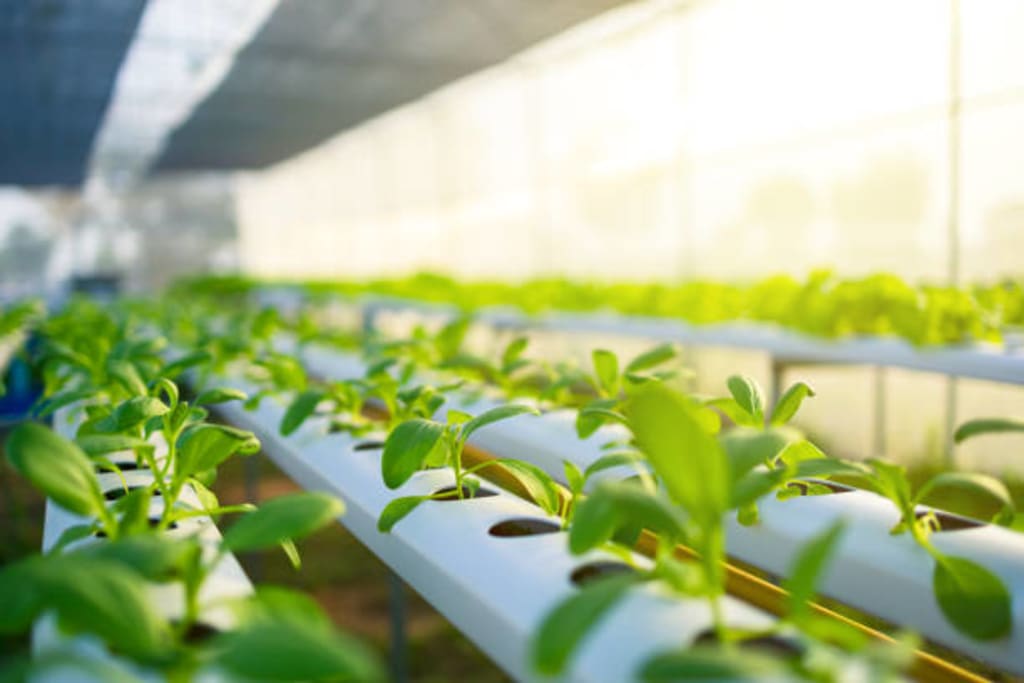
The global hydroponic market reached USD 16.1 Billion in 2025 and is projected to expand significantly to USD 35.6 Billion by 2034, demonstrating a robust growth trajectory of 8.93% during the 2026-2034 period. The hydroponics market expansion represents a fundamental shift in global agricultural production methods, driven by converging pressures of climate change, water scarcity, urbanization, and growing demand for fresh, locally sourced produce. This market growth reflects increasing recognition that traditional soil-based agriculture cannot sustainably meet global food requirements while managing environmental constraints.
The hydroponics market emerges as a critical solution to interconnected global challenges. Rising water scarcity, particularly in arid and semi-arid regions, creates urgent demand for agricultural methods consuming up to 90% less water compared to conventional farming. Simultaneously, urbanization reduces available arable land while consumer preferences increasingly favor pesticide-free, locally grown produce. These factors combine to position the hydroponics market as an essential component of food security strategies across developed and developing nations.
Market Size and Quantitative Expansion: Critical Metrics
The hydroponics market demonstrates substantial value creation across the 2025-2034 forecast period:
• 2025 Market Valuation: USD 16.1 Billion
• 2034 Projected Valuation: USD 35.6 Billion
• Total Value Addition: USD 19.5 Billion
• Percentage Growth: 121% total expansion
• Average Annual Growth Rate: 8.93%
• Average Annual Value Addition: Approximately USD 2.17 billion
This growth profile reflects sustained capital investment in hydroponic infrastructure, equipment manufacturing, and operational expansion across regional markets. The hydroponics market's expansion trajectory positions it among the fastest-growing agricultural technology sectors globally, attracting significant venture capital, private equity, and corporate agricultural investments seeking exposure to sustainable food production systems.
Global Population Dynamics and Food Security Imperatives: Primary Growth Driver
United Nations projections establish compelling imperatives driving the hydroponics market expansion. The global population is expected to reach 9.7 billion by 2050, requiring a 70% increase in food production compared to current levels. This demographic reality creates structural demand for production methodologies dramatically exceeding traditional farming's yield capabilities. The hydroponics market directly addresses this challenge by enabling year-round cultivation in controlled indoor environments, delivering production yields substantially exceeding conventional outdoor farming.
Conventional soil-based agriculture faces mounting obstacles preventing adequate response to rising food demand. Land degradation is particularly severe, with the Food and Agriculture Organization (FAO) reporting that 12 million hectares of land are degraded annually (equivalent to 23 hectares per minute). As cumulative land loss continues, arable land suitable for traditional farming contracts while global population expands. The hydroponics market provides a mechanistic solution, enabling high-yield cultivation without dependency on increasingly scarce arable resources. This mathematical reality ensures sustained demand for hydroponic systems throughout the forecast period as food security becomes an increasingly central national policy priority.
Water Scarcity and Resource Efficiency: Critical Environmental Drivers
Water represents the most fundamental limiting resource in global agriculture, and the hydroponics market directly addresses this critical constraint. Hydroponic systems deliver exceptional water efficiency advantages:
• Water consumption reduction: Up to 90% less water compared to conventional farming
• Regional water savings: FAO reports 70% water reduction in arid regions
• Resource cycling efficiency: Closed-loop nutrient and water recycling systems minimize waste
• Sustainability alignment: Direct correlation with UN Sustainable Development Goals addressing water scarcity
The urgency of water conservation creates powerful regulatory and market incentives favoring hydroponic adoption. Governments implementing water restriction policies actively promote hydroponics through subsidies, grants, and technical support programs. This policy support translates directly into market demand expansion within the hydroponics market, particularly in water-stressed regions including the Middle East, North Africa, and parts of Asia-Pacific.
Government Policy Support and 2025 Strategic Initiatives: Catalyzing Adoption
Multiple governments have elevated hydroponics to strategic priority status, implementing comprehensive support programs that accelerate market expansion. Recent initiatives demonstrate this commitment across diverse geographic regions.
United States Agricultural Support Programs
The U.S. Department of Agriculture's Specialty Crop Block Grant Program provides direct financial support for hydroponic farm investments, substantially reducing capital barriers for both large-scale and small-medium enterprises. These grants enable rapid facility expansion, equipment upgrades, and innovation adoption throughout the hydroponics market within the United States.
April 2025: Sint Maarten Hydroponics Train-the-Trainers Pilot Project
In April 2025, the Ministry of Tourism, Economic Affairs, Transport, and Telecommunications (TEATT) launched the Hydroponics Train-the-Trainers Pilot Project across Sint Maarten schools. Supported by the European Union and Expertise France, this initiative trains educators and community members in hydroponic system development and management. The project will install hydroponic systems across eight schools, directly enhancing food security while creating employment opportunities within the local hydroponics market. This educational approach ensures long-term market sustainability through workforce development and consumer awareness.
April 2025: Turks and Caicos Islands Hydroponics Food Security Initiative
The Department of Agriculture in partnership with the Cadet Corps inaugurated a hydroponics garden at A. Louise Garland Thomas High School in Providenciales, marking significant progress toward reducing food import dependency. The project provides hands-on agricultural and technical training for students while establishing commercial production capacity. The entrepreneurial component enables cadets to sell produce locally, with revenues supporting scholarships and cadet programs, creating direct economic linkages within the regional hydroponics market.
January 2025: UAE Aerospring Hydroponics Commercial Pilot
Aerospring Hydroponics launched its second commercial farming pilot project in Sharjah, UAE, utilizing vertical aeroponic technology. The project targets a 400% increase in yield per square meter while reducing water consumption significantly. This Middle Eastern initiative demonstrates hydroponics market expansion into water-scarce regions, with substantial yield improvements justifying premium capital investments in advanced systems.
India's 2025 MIDH Program Integration
The Indian government expanded its Mission for Integrated Development of Horticulture (MIDH) program to explicitly include Hydroponics, Aquaponics, Vertical Farming, and Precision Agriculture. The ministry revised operational guidelines and cost norms, implementing a 20% increment rate in subsidies (first adjustment since April 2014). This policy reform significantly reduces capital requirements for Indian hydroponic farmers, accelerating market adoption across Asia-Pacific's most populous nation.
Leading Companies and Competitive Ecosystem
The hydroponics market attracts participation from established agricultural equipment manufacturers and specialized hydroponic technology companies. Major industry participants include:
• AeroFarms (vertical aeroponic systems)
• BrightFarms (controlled environment agriculture)
• Hydrofarm LLC (growing systems and equipment)
• Village Farms International Inc. (large-scale hydroponic cultivation)
• Thanet Earth Limited (European hydroponic production)
• General Hydroponics Inc. (nutrient solutions and systems)
• GreenTech Agro LLC (advanced hydroponic solutions)
• LumiGrow Inc. (LED grow light technology)
• Argus Control Systems Limited (climate and growth control)
These companies drive innovation throughout the hydroponics market through R&D investments, technology integration, and market expansion strategies. Company-level investments reflect confidence in sustained market growth and commercial viability of hydroponic production systems across diverse crop types and geographic markets.
Hydroponics Market Segmentation: Type, Crop, and Equipment Analysis
System Type Segmentation
Aggregate Hydroponic Systems represent the largest market component, utilizing inert media such as gravel, perlite, or clay pellets to support plant roots. These systems divide into closed and open configurations, with closed systems recycling nutrients and water while open systems drain excess nutrient solution. Aggregate systems attract widespread adoption due to cost-effectiveness, nutrient and moisture retention, and adaptability to diverse crop types. Their popularity in large-scale commercial operations reflects their scalability, ease of use, and proven productivity across thousands of farms within the hydroponics market.
Liquid Hydroponic Systems enable direct root contact with nutrient-rich water solutions, including deep-water culture, nutrient film techniques (NFT), and ebb-and-flow systems. These systems achieve higher yields for certain crops while delivering superior resource efficiency and environmental control compared to aggregate approaches.
Crop Type Analysis: Tomato Dominance and Diversification
Tomatoes lead the global hydroponics market, driven by strong demand for fresh, locally grown produce in both domestic and commercial sectors. Hydroponic systems ideal for tomato cultivation offer faster growth cycles, higher yields, and year-round production capabilities. Tomatoes' versatility in culinary applications and growing consumer preference for pesticide-free organic produce solidifies their dominance within the hydroponics market. Their adaptability to multiple hydroponic system types, including deep-water culture and nutrient film techniques, further drives widespread adoption.
Lettuce and Leafy Vegetables represent the second major crop category, with exceptional adaptability to hydroponic cultivation and strong consumer demand for fresh salad greens. The rapid growth cycles and high yields of hydroponic lettuce systems enable weekly harvests from single growing areas, creating efficient capital utilization and consistent revenue streams. Brazil's 50-hectare hydroponic vegetable production demonstrates particularly strong adoption of lettuce through NFT systems, which have become the preferred technology for leafy green cultivation.
Specialty Crops including peppers, cucumbers, and microgreens demonstrate expanding market share within the hydroponics market, capitalizing on consumer demand for diverse fresh produce. Microgreens in particular represent high-margin specialty production, with AI-powered systems like Krop AI (launched September 2024) delivering 40 times higher crop yields compared to traditional methods while utilizing 1/10th the growing area.
Equipment Segmentation: Critical System Components
HVAC (Heating, Ventilation, and Air Conditioning) Systems represent essential environmental control infrastructure within the hydroponics market, maintaining optimal temperature, humidity, and air quality conditions for crop growth. Advanced HVAC systems integrate smart controls and energy optimization technologies, reducing operational costs while improving environmental sustainability.
LED Grow Lights constitute a rapidly growing equipment segment within the hydroponics market, enabling precise light spectrum customization and energy efficiency compared to traditional lighting systems. Technological advancements in LED efficiency drive declining lighting costs, improving hydroponics system profitability and accessibility for smaller commercial operations and urban farmers.
Irrigation and Nutrient Delivery Systems provide automated, precise nutrient and water distribution essential for hydroponic cultivation. Advanced systems incorporate sensors, automated controls, and real-time monitoring, optimizing nutrient uptake and minimizing waste within the hydroponics market.
Control Systems including climate sensors, automated monitoring, and data analytics platforms increasingly integrate AI and machine learning, optimizing growing conditions and yield predictions across the hydroponics market.
Regional Market Dynamics: North America Dominance and Global Expansion
North America currently dominates the hydroponics market, commanding the largest regional market share in 2025. This dominance reflects multiple converging factors including advanced agricultural infrastructure, government support programs, urbanization pressures, and consumer preference for locally sourced produce.
United States Market Analysis
The U.S. hydroponics market demonstrates exceptional growth momentum, with 3,342 hydroponic crop farming businesses operating in 2023, representing a 12.5% increase from 2022. The industry experienced average annual growth of 12.5% over five years, significantly exceeding general agricultural growth rates and indicating rapid market expansion within the hydroponics market. Regional concentration reflects infrastructure, policy, and market dynamics:
• Pennsylvania leads with 689 hydroponic businesses
• New York follows with 601 operations
• Michigan maintains 494 businesses
These regions demonstrate particular strength due to infrastructure development, supportive state policies, and substantial consumer demand for local, pesticide-free produce. Labor constitutes a substantial cost component within U.S. hydroponics operations, representing 24.9% of revenue, while input purchases account for 29.2% and facilities/utilities comprise 6.6% of operating costs. This cost structure underscores the capital-intensive nature of hydroponic farming while highlighting labor availability as a critical operational consideration within the hydroponics market.
European Market Expansion
Europe's hydroponics market demonstrates robust growth driven by urbanization pressures and sustainability imperatives. UN projections estimate that 80% of Europe's population will reside in cities by 2050, creating urgent food security challenges and driving hydroponic adoption in urban centers. Urban areas' reliance on food imports creates vulnerability to supply chain disruptions caused by climate change and geopolitical factors.
European innovation in vertical farming establishes production models demonstrating exceptional resource efficiency. La Petite Ferme du Grand Lyon in France achieves 44.7 kg of produce per square meter annually through hydroponic cultivation, dramatically exceeding traditional farming productivity. This facility demonstrates hydroponic systems' capacity for localized food production, reducing transportation emissions while improving food security within the European hydroponics market.
Asia-Pacific Growth Trajectory
Asia-Pacific represents the fastest-growing hydroponics market region, driven by population density, urbanization, and emerging government policy support. China established hydroponics market leadership in the 1970s through the "Lu-SC" system developed at Shandong Agricultural University, delivering 135% yield increases compared to open-field cultivation. Current Chinese hydroponic production exceeds 100 hectares, with major operations concentrated in Shanghai, Beijing, Guangzhou, and Xinjiang oil field regions.
Chinese innovations including the Floating Capillary Hydroponics (FCH) system and Solid Manure Soilless Culture System (SMSCS) provide cost-effective, high-yield alternatives adapted to regional conditions. The Hydroponics Research Center of Southeast Coast drives continuous innovation, ensuring China maintains technological leadership within the Asia-Pacific hydroponics market.
Latin America and Middle East Opportunities
Brazil's hydroponics market expansion reaches approximately 50 hectares of production, with NFT systems widely adopted for lettuce, arugula, and watercress cultivation. Hydroponic lettuce production costs between USD 0.10 and USD 0.20 per head, delivering substantial yield and water-saving advantages relative to conventional production.
Middle Eastern hydroponics markets address extreme climate challenges through desert region cultivation. Hydroponic systems reduce water consumption by up to 70% according to FAO, making them essential for arid region food production. Companies like Elite Agro Projects develop locally adapted systems supporting year-round production regardless of external climate conditions, positioning hydroponics as a critical food security strategy within the Middle East hydroponics market.
Market Drivers: Sustainability, Resource Efficiency, and Consumer Preference
Sustainable Agriculture Mandate
The hydroponics market benefits from powerful structural demand drivers rooted in sustainability imperatives. Traditional agriculture's environmental degradation through soil depletion, water consumption, and chemical pollution creates regulatory pressure and consumer demand for alternative production methods. Hydroponics directly addresses these concerns through:
• Elimination of soil contamination and chemical leaching into groundwater
• Dramatic water consumption reductions enabling cultivation in water-scarce regions
• Precise nutrient delivery minimizing chemical runoff
• Indoor cultivation protecting from weather extremes and reducing pest pressures
• Potential for 100% organic certification and pesticide elimination
Consumer Demand for Fresh Local Produce
Consumer preferences increasingly favor fresh, locally sourced, pesticide-free produce, creating direct demand for hydroponic systems enabling year-round urban cultivation. This preference shift drives premium pricing for hydroponic produce, improving farm profitability and justifying capital investments. The hydroponics market expands as consumer awareness grows regarding environmental and health benefits of locally produced food.
Technological Advancement and Automation
Continuous technological improvements in LED lighting, climate control, automated nutrient delivery, and AI-driven optimization reduce operational costs while improving crop yields. These advancements expand hydroponics accessibility to smaller operations and urban farmers previously unable to compete on economics, substantially broadening the hydroponics market addressable customer base.
Market Challenges and Strategic Implications
Despite robust expansion prospects, the hydroponics market confronts significant obstacles limiting rapid adoption. High initial capital requirements present barriers to entry, particularly for small-scale farmers and developing nations. Hydroponic systems require substantial upfront investment in infrastructure, equipment, and technical expertise, creating financial hurdles that government subsidies and financing programs help overcome but do not eliminate.
Technical expertise requirements present additional adoption barriers. Successful hydroponic cultivation demands knowledge of nutrient balance, pH management, environmental controls, and system maintenance. Insufficient technical training and awareness, particularly in developing countries, slows market expansion. However, government initiatives like Sint Maarten's Train-the-Trainers program demonstrate effective strategies for building local capacity and accelerating adoption throughout the hydroponics market.
Future Outlook and Strategic Positioning
The hydroponics market expansion from USD 16.1 billion in 2025 to USD 35.6 billion by 2034 reflects structural demand drivers ensuring sustained growth throughout the forecast period. Government policy support, water scarcity urgency, food security imperatives, and technological advancement create a powerful growth ecosystem. Companies positioned within the hydroponics market benefit from favorable structural conditions, growing consumer demand, and supportive regulatory environments.
Strategic opportunities include geographic expansion into emerging markets, technological innovations improving efficiency and reducing costs, vertical integration combining equipment manufacturing with operational cultivation, and educational initiatives building market awareness and technical capacity. Organizations capable of addressing cost barriers, providing technical support, and demonstrating superior yields will capture disproportionate market share within the rapidly expanding hydroponics market.
About the Creator
Joey Moore
I'm Joey Moore, a seasoned Research Analyst with 5+ years of experience in market research. Expert in data analysis, strategic planning, and industry insights. Proven track record in delivering actionable reports.
Enjoyed the story? Support the Creator.
Subscribe for free to receive all their stories in your feed.
Comments
There are no comments for this story
Be the first to respond and start the conversation.