
Hydrogen Gas | The Future of Energy?
Inside the explosive growth of the hydrogen economy reshaping global energy systems
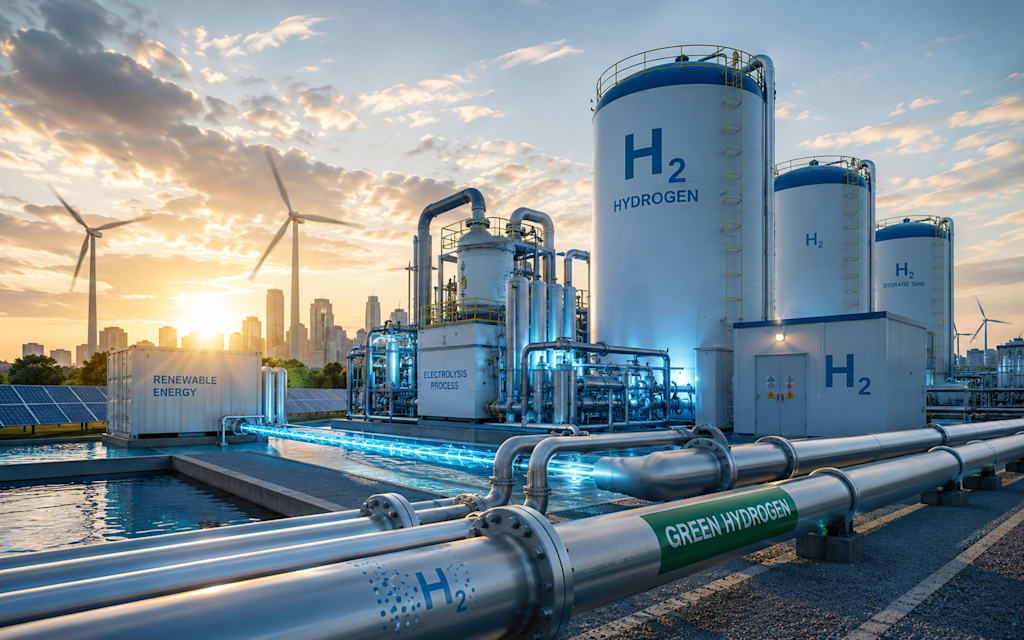
It begins quietly—inside industrial plants, refineries, and energy labs—where an invisible gas is being treated less like a byproduct and more like a strategic asset.
Hydrogen gas does not look revolutionary. It has no color, no smell, and no dramatic presence. Yet it is increasingly being positioned as one of the most important energy carriers of the 21st century. Governments are investing billions, industrial giants are redesigning production systems, and energy analysts are rethinking long-term dependency on fossil fuels.
What makes this transformation more striking is that it is not driven by hype—it is driven by necessity. Climate targets, energy security concerns, and industrial decarbonization goals are converging into one global direction: hydrogen adoption.
The hydrogen gas market is experiencing structured expansion supported by industrial demand and clean energy transition policies across major economies.
Explore the full report here: hydrogen gas market
This is no longer a theoretical energy alternative. It is becoming an operational reality.
The Hidden Energy Shift Nobody Notices
Hydrogen’s rise is not happening through dramatic disruption. Instead, it is quietly embedding itself into existing industrial systems. Unlike solar panels or wind turbines, hydrogen does not always appear as a visible end product. It often works behind the scenes—in ammonia production, petroleum refining, metal processing, and chemical manufacturing.
Industries are not just experimenting with hydrogen; they are structurally integrating it. Traditional hydrogen production—mainly derived from fossil fuel-based processes—is gradually being complemented by cleaner production pathways, including electrolysis powered by renewable energy sources. The hydrogen economy is not replacing industrial systems overnight. It is reshaping them step by step.
Why the Hydrogen Gas Market Is Expanding
Several powerful forces are converging to push hydrogen into mainstream industrial and energy applications.
1. Decarbonization Pressure
Governments worldwide are tightening emission regulations. Heavy industries such as steel and chemicals, which are difficult to electrify directly, are increasingly turning to hydrogen as a cleaner fuel alternative.
2. Energy Diversification Needs
Countries are actively seeking to reduce dependence on imported fossil fuels. Hydrogen offers a locally producible energy carrier, especially when paired with renewable electricity.
3. Industrial Demand Stability
Hydrogen is not a speculative fuel—it already has established demand in refining, ammonia production, and chemical synthesis. This existing base demand is now expanding into new sectors.
4. Infrastructure Investment Momentum
Transport, storage, and production infrastructure for hydrogen are receiving increasing capital inflows, signaling long-term commitment rather than short-term experimentation.
Market Direction and Structural Growth
The hydrogen gas market is not growing in isolation—it is growing alongside broader energy system transformation.
Industrial Integration as a Growth Engine
Hydrogen remains essential in ammonia production and petroleum refining. These industries alone ensure a baseline demand that stabilizes the market even during energy fluctuations.
Emergence of Green Hydrogen
One of the most significant shifts is the increasing focus on green hydrogen, produced using renewable energy sources. While still developing in terms of scale and cost competitiveness, it is gaining strong policy and investment support globally.
Market Expansion Outlook
The hydrogen gas market is expected to expand steadily over the forecast period, driven by rising industrial applications and accelerating clean energy transitions. Growth is supported by both traditional hydrogen consumption and emerging low-carbon hydrogen projects.
Hydrogen Gas Market Size and Strategic Importance
The hydrogen gas market is closely tied to global industrial output and energy transition investment cycles. Unlike emerging technologies that start from zero, hydrogen already operates within large-scale industrial ecosystems.
Key contributors to market size include:
- Chemical manufacturing processes
- Emerging energy storage applications
What makes hydrogen strategically important is not just its current size, but its adaptability. It can function as:
- A feedstock
- A fuel
- An energy storage medium
- A transportable energy carrier
This multi-functionality is a key reason governments and industries are prioritizing its development.
A Quiet Energy Revolution in Motion
Unlike previous energy transitions that relied on visible infrastructure shifts, hydrogen is evolving through integration. It is being embedded into existing systems rather than replacing them outright.
Steel plants experimenting with hydrogen-based reduction processes, refineries optimizing hydrogen utilization, and chemical plants shifting toward low-carbon inputs all represent incremental but meaningful change.
This gradual transformation is why hydrogen is often described as a “transition fuel”—not because it is temporary, but because it enables the transition itself.
Conclusion: The Future Is Not Loud, It Is Hydrogen
Hydrogen’s rise does not resemble a traditional energy revolution. There are no sudden disruptions, no overnight replacements, and no single breakthrough moment. Instead, it is a layered transformation occurring across industries, policies, and infrastructure systems simultaneously.
The hydrogen gas market is steadily expanding as global energy priorities shift toward sustainability, resilience, and diversification, this growth is anchored in long-term industrial demand and accelerating clean energy adoption patterns.
Will hydrogen become the backbone of the next global energy system—or remain a supporting pillar in a mixed-energy future?
About the Creator
efingutthomas
My expertise is custom research across industries such as aerospace & defense, agriculture, animal wellness, automation, automotive, chemicals, consumer goods, electronics, energy, finance, food & beverages, healthcare, hospitality and ICT
Enjoyed the story? Support the Creator.
Subscribe for free to receive all their stories in your feed.
Comments
There are no comments for this story
Be the first to respond and start the conversation.