
How Working Conditions Impact Rubber Tyred Gantry Crane Performance
How Ground, Weather, and Operational Environments Shape Efficiency, Safety, and Lifespan in RTG Operation
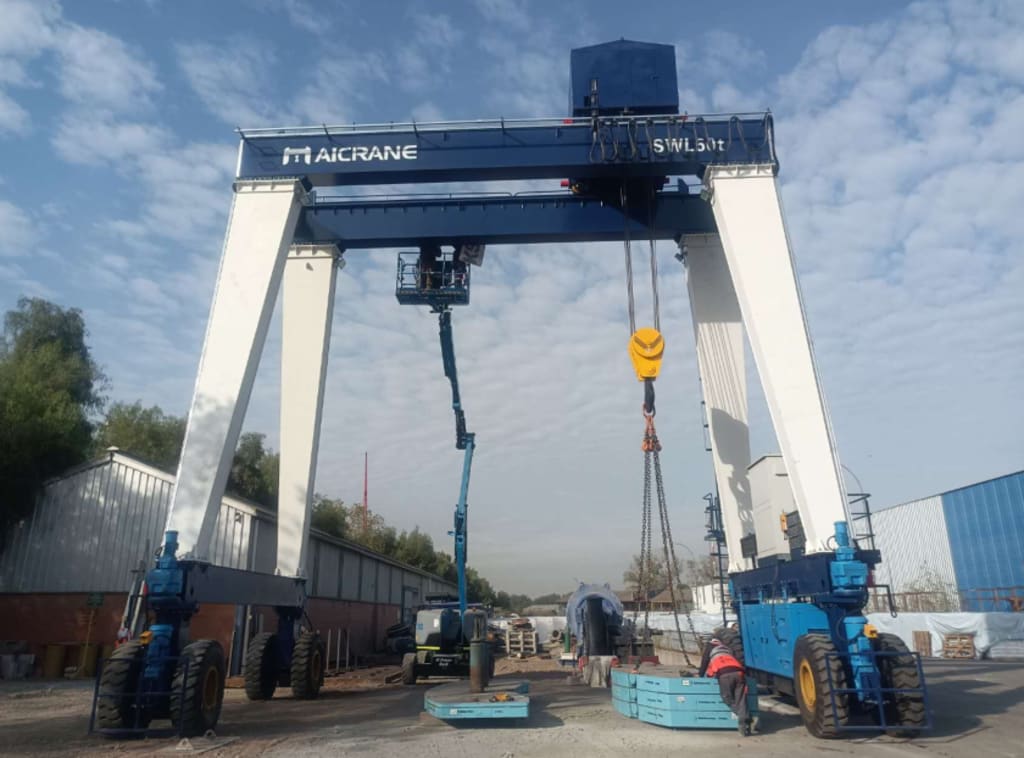
Rubber Tyred Gantry (RTG) cranes are designed to deliver flexible, high-efficiency container handling across ports, intermodal yards, and industrial storage areas. While their structural design and control systems play a critical role in performance, the working conditions in which they operate often have an even greater influence on productivity, reliability, and lifecycle cost.
Unlike fixed rail mounted crane systems, RTGs interact directly with variable ground surfaces, changing weather conditions, and dynamic yard environments. This makes them particularly sensitive to external factors. Understanding how working conditions affect RTG crane performance is essential for optimizing operations, reducing downtime, and extending equipment lifespan.
1. Ground Conditions and Their Direct Impact on Performance
Load Distribution and Stability
RTG cranes operate on multiple rubber tires, distributing heavy loads across the ground surface. However, if the ground bearing capacity is insufficient or inconsistent, performance issues quickly arise.
Uneven settlement can lead to structural misalignment, affecting lifting precision.
Soft ground conditions increase rolling resistance, reducing travel efficiency and increasing fuel or energy consumption.
Localized deformation under repeated loads can create long-term operational instability.
A well-prepared yard with reinforced concrete surfaces ensures consistent load distribution and stable crane movement, directly improving operational accuracy and safety.
Surface Quality and Friction
The quality of the pavement influences:
Acceleration and braking performance
Tire wear rates
Steering responsiveness
Rough or damaged surfaces increase vibration and mechanical stress, which can lead to faster wear of components such as axles, gearboxes, and structural joints.
2. Climate and Weather: A Constant Performance Variable
Temperature Extremes
Temperature fluctuations significantly affect RTG crane systems:
High temperatures can cause overheating in electrical cabinets, reduced efficiency of cooling systems, and accelerated degradation of hydraulic fluids.
Low temperatures may reduce battery efficiency in electric RTGs, increase material brittleness, and affect lubrication performance.
These factors can result in slower response times, reduced lifting efficiency, and increased maintenance requirements.
Wind Influence on Lifting Operations
Wind is one of the most critical environmental factors affecting RTG performance, especially in coastal or open yard environments.
Strong winds can cause load sway, reducing positioning accuracy.
Operators may need to slow down lifting speeds, decreasing overall productivity.
At high wind speeds, operations may be temporarily suspended for safety reasons.
Modern RTGs often incorporate anti-sway systems and wind monitoring devices, but environmental limitations still define performance boundaries.
Rain, Humidity, and Corrosion
Moisture introduces multiple operational challenges:
Reduced braking efficiency on wet surfaces
Increased risk of electrical faults
Accelerated corrosion of structural components
In marine environments, salt-laden air further intensifies corrosion, requiring enhanced protective coatings and more frequent maintenance.
3. Operational Intensity and Throughput Demands
High-Frequency Operations in Ports
In busy container terminals, RTGs operate under continuous, high-intensity conditions:
Frequent lifting cycles increase wear on hoisting mechanisms
Continuous travel leads to higher tire and drive system wear
Short cycle times demand fast and precise control systems
Under such conditions, even minor inefficiencies caused by environmental factors can accumulate into significant productivity losses.
Variable Loads in Industrial Applications
In industrial yards, RTGs may handle heavier but less frequent loads. However, working conditions still influence performance:
Irregular load shapes may require slower handling speeds
Dust or debris may interfere with sensors and control systems
Uneven ground conditions can reduce lifting stability
Matching the rubber tyred gantry crane design to the specific operational profile is key to maintaining performance under varying conditions.
4. Mobility and Travel Efficiency
Travel Resistance and Energy Consumption
RTG cranes rely on rubber tires for movement, making them highly sensitive to ground resistance.
Poor surface conditions increase rolling resistance, requiring more power for movement
Frequent stopping and starting in congested yards reduces energy efficiency
Misaligned or uneven surfaces can cause skewing, increasing mechanical stress
Efficient travel conditions directly translate into lower operating costs and improved throughput.
Steering and Maneuverability
Different steering modes—such as straight travel, diagonal movement, and pivot steering—are affected by working conditions.
Tight or congested spaces require more frequent steering adjustments
Rough surfaces increase stress on steering components
Poor traction conditions (e.g., wet or icy surfaces) reduce maneuverability
These factors influence not only performance but also operational safety.
5. Yard Layout and Spatial Constraints
Impact on Cycle Time
The layout of the container yard plays a significant role in RTG performance:
Longer travel distances increase cycle time
Narrow stacking blocks limit maneuverability
Poorly organized traffic flow leads to delays
Efficient yard design, combined with favorable working conditions, allows RTGs to achieve optimal handling rates.
Interaction with Other Equipment
RTGs often operate alongside trucks, trailers, and automated vehicles. Working conditions can complicate this interaction:
Dust or poor visibility increases collision risk
Congested environments slow down operations
Surface conditions affect both crane and vehicle movement
Integrated traffic management systems and clear operational planning are essential for maintaining performance.
6. Environmental Factors: Dust, Debris, and Contamination
Impact on Mechanical Systems
Dust and debris are common in many RTG operating environments, particularly in dry or industrial areas.
Dust can infiltrate moving parts, increasing friction and wear
Debris on the ground can damage tires or obstruct movement
Contaminants may affect lubrication systems
Over time, these factors reduce mechanical efficiency and increase maintenance requirements.
Impact on Electrical and Control Systems
Modern RTGs rely heavily on electronic control systems. Environmental contamination can lead to:
Sensor malfunctions
Reduced accuracy in positioning systems
Increased risk of electrical faults
Proper sealing, filtration, and regular maintenance are critical to maintaining system performance.
7. Power Supply Conditions and Energy Efficiency
Diesel vs Electric RTGs
The type of power system used influences how working conditions impact performance.
Diesel RTGs are more flexible but sensitive to fuel quality and environmental regulations
Electric RTGs offer higher efficiency but depend on stable power infrastructure
Power Stability
Unstable power supply can result in:
Interrupted operations
Reduced lifting speed
Increased wear on electrical components
Inconsistent energy conditions directly affect operational reliability and efficiency.
8. Safety Conditions and Their Effect on Performance
Operational Restrictions
Safety considerations often impose limits on RTG performance:
Reduced speed in high-risk areas
Shutdowns during extreme weather conditions
Restricted operations in low-visibility environments
While these measures are necessary, they also impact overall productivity.
Operator Efficiency
Working conditions influence operator performance:
Poor visibility due to weather or dust reduces handling accuracy
Extreme temperatures affect operator comfort and concentration
Complex environments increase cognitive load
Modern RTGs increasingly incorporate automation and remote control systems to mitigate these challenges.
9. Maintenance Environment and Lifecycle Performance
Increased Wear Under Harsh Conditions
Challenging working environments accelerate component wear:
- Tires degrade faster on rough or abrasive surfaces
- Corrosion shortens structural lifespan in marine environments
- High-duty cycles increase fatigue in mechanical systems
Maintenance Frequency and Downtime
As working conditions become more demanding:
- Maintenance intervals must be shortened
- Spare parts consumption increases
- Unexpected failures become more likely
A proactive maintenance strategy tailored to specific working conditions is essential for sustaining performance.
Conclusion
Working conditions are a defining factor in the performance of Rubber Tyred Gantry cranes. From ground quality and climate to operational intensity and environmental exposure, each element directly influences efficiency, reliability, and cost-effectiveness.
RTGs are inherently adaptable machines, but their performance is never independent of their surroundings. Poor ground conditions can reduce travel efficiency, harsh weather can limit operational capacity, and environmental contaminants can accelerate wear and failure. Conversely, well-managed working conditions enable RTGs to achieve high productivity, precise handling, and long service life.
For terminal operators, industrial users, and project planners, the key takeaway is clear: optimizing RTG performance requires more than selecting the right crane—it demands a comprehensive understanding of the environment in which it operates. By aligning crane design, yard infrastructure, and maintenance strategies with actual working conditions, it is possible to unlock the full potential of RTG systems while minimizing risks and costs.
About the Creator
Aicrane01
Welcome to the Aicrane Blog, your practical guide to lifting solutions. Discover articles covering overhead cranes, gantry cranes, winches, steel structures, boat lifts, and more.
Website: https://steelmillcranes.com/
Enjoyed the story? Support the Creator.
Subscribe for free to receive all their stories in your feed.
Comments
There are no comments for this story
Be the first to respond and start the conversation.