
How to Using Accounting Software to Enhance Financial Transparency?
Importance of Financial Transparency
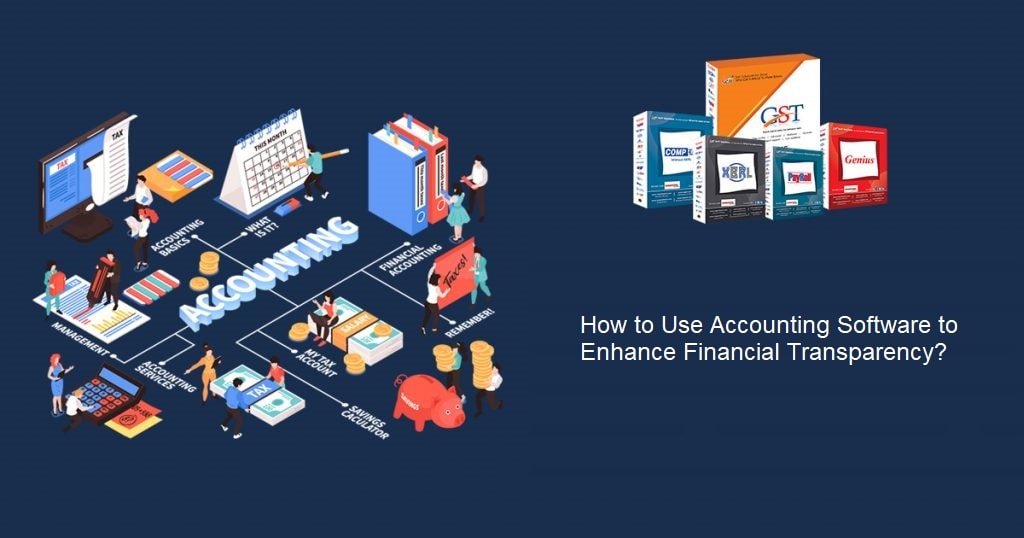
In today’s fast-paced business world, financial transparency is crucial for building trust with stakeholders, meeting regulatory requirements, and fostering long-term success. Accounting software has emerged as a powerful tool to enhance financial transparency, providing organizations with real-time insights, automated processes, and secure data management. This article will explore how businesses can leverage accounting software to achieve greater transparency in their financial operations.
What is Accounting Software?
Accounting software is a digital tool designed to manage and automate financial tasks, including bookkeeping, invoicing, payroll, and financial reporting. It streamlines complex processes, reduces errors, and provides real-time insights, helping businesses maintain accurate records, ensure compliance, and improve overall financial efficiency and transparency.
How to Use Accounting Software to Enhance Financial Transparency
Accounting software enhances financial transparency by automating reporting, enabling real-time data access, ensuring compliance, and improving audit readiness. It strengthens data security, reduces human errors, and simplifies collaboration through customizable dashboards. These features collectively foster accurate, reliable financial insights, boosting stakeholder confidence and regulatory trust.
Using accounting software to enhance financial transparency include:
Automated Financial Reporting
One of the primary ways accounting software enhances transparency is through automated reporting. Businesses can generate financial statements, such as income statements, balance sheets, and cash flow reports, instantly. Automated processes reduce the likelihood of errors that often occur with manual data entry. Furthermore, because the software is typically integrated with other systems (e.g., sales, inventory, and payroll), it allows for real-time updates and detailed insights into the company's financial health.
Automation not only saves time but also ensures that reports are accurate and in compliance with accounting standards, giving stakeholders confidence in the company's financial integrity.
Real-Time Access to Financial Data
With cloud-based accounting software, financial data can be accessed in real time from anywhere, at any time. This accessibility ensures that management, auditors, and regulatory bodies have an up-to-date view of the organization’s financial standing. Real-time access means that discrepancies or issues can be identified and resolved immediately, preventing small mistakes from growing into significant financial problems.
This level of transparency is essential for businesses seeking to maintain trust with investors, partners, and clients who want to ensure funds are being managed efficiently.
Enhanced Compliance and Audit Readiness
In today’s regulatory environment, compliance is a top concern for businesses, especially those in highly regulated industries like healthcare, finance, and insurance. Accounting software can play a vital role in ensuring that businesses remain compliant with various financial regulations and standards.
Many accounting software platforms are equipped with built-in compliance features, such as tax calculation tools and audit trails, that automatically track financial activities. These features help businesses adhere to legal and regulatory requirements by documenting every financial transaction, from payments to journal entries. In case of an audit, accounting software can provide auditors with detailed records, making the audit process faster and more transparent.
The ability to quickly generate reports for tax filing or compliance audits also reduces the likelihood of penalties due to delayed or inaccurate filings. By maintaining an organized and transparent accounting system, businesses can avoid costly fines and build trust with regulatory bodies.
Enhanced Security and Data Integrity
Accounting software typically includes robust security features to protect sensitive financial data. Encryption, multi-factor authentication, and role-based access controls ensure that only authorized personnel have access to certain financial records. By protecting the integrity of financial data, accounting software prevents tampering or unauthorized access, which is crucial for maintaining transparency.
Furthermore, secure data backups reduce the risk of data loss, ensuring that financial records are not only accurate but also preserved for future auditing or reporting.
Simplified Collaboration
Accounting software enables collaboration between different departments, teams, and external stakeholders. By centralizing financial information, it simplifies the process of sharing relevant data between finance teams, auditors, and decision-makers. This level of integration allows for a clearer understanding of the financial picture across the organization, ensuring that everyone is working with the same up-to-date information.
Improved collaboration also means faster and more accurate decision-making, as financial data is easily accessible to all necessary parties, improving overall organizational transparency.
Customizable Dashboards and Reporting
Modern accounting software offers customizable dashboards and reporting features, which allow stakeholders to view and analyze specific data points that are most relevant to them. This flexibility means that users can tailor reports to meet the needs of different departments, investors, or regulatory agencies.
Custom reporting also makes it easier to spot trends, anomalies, or areas of concern, fostering proactive financial management. The ability to customize and present data in various formats ensures that the right information is communicated clearly, enhancing transparency.
Reduction of Human Error
Manual accounting processes are often prone to human error, whether due to miscalculations, data entry mistakes, or overlooking important details. By using accounting software, businesses can reduce these errors significantly. The software automates complex calculations, checks for inconsistencies, and ensures that transactions are recorded accurately.
By minimizing human error, businesses present a more accurate and reliable financial picture, building trust with stakeholders and ensuring greater transparency in their financial operations.
Importance of Financial Transparency
Financial transparency is crucial for any business, whether it’s a large corporation or a small startup. It enables stakeholders—including investors, regulators, and employees—to get a clear view of the organization’s financial health. Transparency reduces the risk of fraud, improves decision-making, and builds confidence among shareholders. With more stringent regulatory requirements in place, such as GAAP or IFRS, businesses are under pressure to ensure their finances are open and honest. Accounting software simplifies this process by providing real-time, accurate financial data that can be easily accessed and audited.
Key Features for Transparency
When selecting accounting software to boost financial transparency, several key features stand out:
- Real-Time Data Access: Real-time updates allow stakeholders to view the latest financial information at any given moment, ensuring the accuracy and relevance of data.
- Audit Trails: This feature tracks every financial transaction, showing who made the changes and when, making it easier to detect any inconsistencies or fraudulent activities.
- Automated Reporting: Generates clear and detailed financial reports with minimal manual input, reducing errors and improving accuracy.
- User Permissions and Role-Based Access: Accounting software allows businesses to control who has access to sensitive financial information, maintaining security while promoting transparency.
- Integration with Other Systems: The software integrates with other business systems (e.g., payroll, CRM), offering a comprehensive overview of financial health across all departments.
User Experiences and Feedback
Users of accounting software often report significant improvements in both operational efficiency and financial transparency. One common piece of feedback is that automated features, such as invoicing and reporting, save time while reducing human error. Many users highlight that having a centralized platform for all financial data increases accountability and trust across teams. Small and medium-sized businesses, in particular, appreciate how these tools give them a level playing field, as they can generate detailed, professional reports just like larger corporations.
However, some users find the initial setup complex and may experience a learning curve, especially when transitioning from manual accounting. Feedback suggests that training and customer support from software providers are essential for a smooth experience.
Common Challenges in Achieving Transparency
While accounting software simplifies financial reporting and transparency, certain challenges remain:
- Data Integrity: Ensuring the accuracy of data input remains a challenge. Even the best software can produce inaccurate reports if data is entered incorrectly.
- Customization Limitations: Not all software allows full customization of reports or may require expensive upgrades to access advanced features.
- User Adoption: Resistance to change from employees or stakeholders who are used to traditional accounting methods can hinder the software's effectiveness.
- Regulatory Changes: Constant updates to tax laws or financial regulations require that software remain up-to-date, which can be costly or time-consuming for businesses.
Case Studies of Successful Implementation
- XYZ Corporation: A mid-sized retail company that struggled with manual financial processes. After implementing cloud-based accounting software, they reduced their reporting time by 40%, while increasing data accuracy and visibility across departments.
- ABC Non-Profit: Transparency was a key concern for this non-profit as they needed to build trust with donors. By using accounting software, they ensured that every dollar was tracked, improving donor confidence and compliance with financial regulations.
- DEF Start-up: A tech start-up used accounting software to manage rapid growth. With automated billing and expense tracking, they were able to present clear financial statements to investors, leading to successful rounds of funding.
Future Trends in Financial Reporting
The future of financial transparency will continue to evolve with advances in technology.
Key trends include:
- Artificial Intelligence (AI) and Machine Learning: AI-powered tools will help detect anomalies in financial data and automate more complex tasks like forecasting.
- Blockchain: The transparency and security offered by blockchain technology are set to revolutionize accounting, making it nearly impossible to tamper with financial records.
- Cloud-Based Solutions: More businesses will adopt cloud-based accounting solutions for better data access and collaboration.
- Real-Time Compliance Monitoring: Software will increasingly include built-in compliance features that update automatically with new regulations, ensuring that businesses remain up-to-date without manual intervention.
- Increased Focus on ESG (Environmental, Social, Governance) Reporting: Accounting software will integrate more capabilities for non-financial reporting, such as sustainability metrics and social impact data.
Conclusion
Accounting software is a game-changer for businesses looking to enhance financial transparency. By automating processes, enabling real-time monitoring, ensuring compliance, and offering secure data management, these tools help organizations maintain accurate and transparent financial records. Moreover, the collaborative and predictive capabilities of modern accounting software enable better decision-making, build trust with stakeholders, and ensure long-term financial health.
As businesses continue to navigate an increasingly complex financial landscape, the adoption of accounting software will be critical in ensuring that financial transparency is not just a regulatory requirement but a strategic advantage.
Read more: Benefits of Multi-Currency Accounting Software
Frequently Asked Questions
Why is accounting software essential for financial transparency?
Accounting software provides real-time data, automated reporting, and audit trails, which reduce errors and enhance the visibility of a company’s financial standing, promoting trust among stakeholders.
How does accounting software improve data accuracy?
With automated features like invoicing and reconciliation, the software reduces the need for manual entry, which minimizes human errors and ensures the data remains accurate and up-to-date.
Can accounting software be customized for specific business needs?
Yes, most accounting software offers customizable reporting and dashboard features, allowing businesses to tailor the software to their specific financial management needs.
About the Creator
Jony Holmes
Looking for Best Accounting Software Solutions, Consulting & Technical Service, QuickBooks Installation, Migration, Errors Upgrade & Download Problems Resolved 24*7 Helpdesk.
Enjoyed the story? Support the Creator.
Subscribe for free to receive all their stories in your feed.
Comments
There are no comments for this story
Be the first to respond and start the conversation.