
How to Tell If Your Wound Is Actually Healing
Wound Is Actually Healing
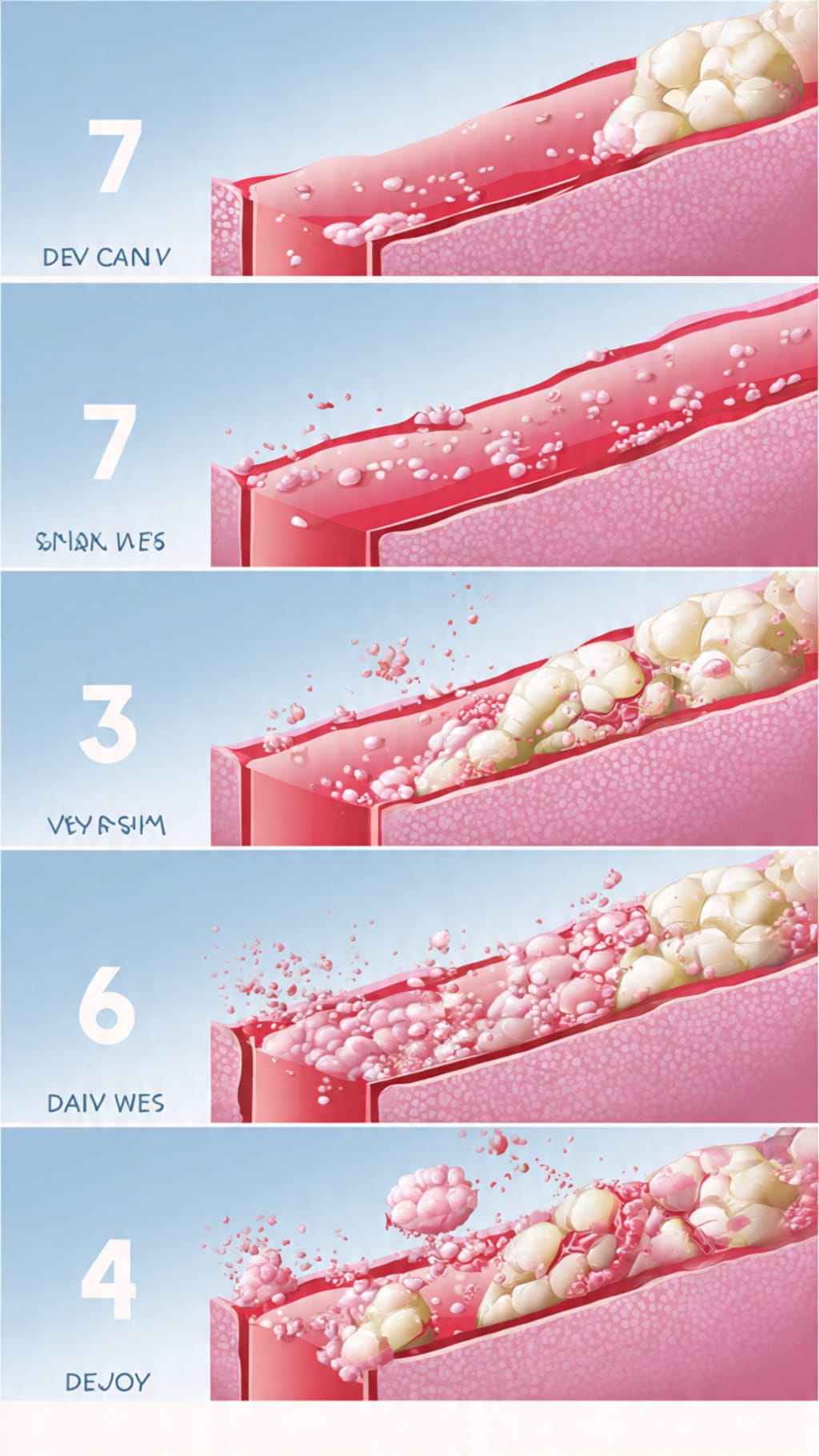
Watching a wound heal can be nerve-wracking, especially when you're not sure if what you're seeing is normal or cause for concern. While our bodies have remarkable healing abilities, knowing the difference between healthy recovery and potential complications can help you take action when needed. Let's explore the key signs that indicate your wound is healing properly and when you might need professional help.
Understanding the Normal Healing Process
Wound healing happens in predictable stages, and recognizing these phases can put your mind at ease. The inflammatory stage begins immediately after injury, bringing redness, warmth, and some swelling to the area. This is your body's natural response as it rushes blood and healing cells to the wound site.
Within a few days, you'll enter the proliferation stage, where new tissue begins forming. You might notice the wound edges starting to pull together and a pink or red appearance as new blood vessels develop. Finally, the maturation stage can last weeks to months as the new tissue strengthens and remodels itself.
Positive Signs Your Wound Is Healing
Several clear indicators tell you that healing is progressing as it should. First, you should notice a gradual decrease in pain over the first few days. While some discomfort is normal, intense or increasing pain suggests something might be wrong.
The wound should steadily decrease in size, with edges that appear to be coming together rather than separating. You might see new pink tissue forming from the wound's base, which indicates healthy granulation. A small amount of clear or slightly yellow drainage is also normal during the early healing stages.
The surrounding skin should gradually return to its normal color and temperature. Initial redness and warmth should diminish rather than spread outward. You might notice some itching as healing progresses, which is actually a positive sign that nerves are regenerating.
Red Flags That Signal Trouble
Certain warning signs demand immediate attention because they indicate your wound isn't healing properly. Increasing redness that spreads beyond the wound edges suggests infection. Similarly, if swelling gets worse instead of better after the first few days, something isn't right.
Drainage that becomes thick, cloudy, green, or foul-smelling indicates bacterial infection. Any discharge with a strong odor should never be ignored. Fever accompanying your wound, especially if it develops several days after the injury, requires medical evaluation.
If your wound edges separate or the area feels increasingly warm to the touch, these are serious concerns. Dark or black tissue around or within the wound might indicate tissue death and needs immediate professional assessment.
When Chronic Wounds Need Specialized Care
Some wounds simply refuse to heal following the normal timeline, and this is when specialized intervention becomes necessary. If your wound hasn't shown significant improvement after two weeks or hasn't completely healed within six weeks, it's time to seek expert help.
People with diabetes, circulation problems, or compromised immune systems face higher risks for delayed healing. These conditions can turn even minor wounds into serious medical concerns. A wound treatment center near me can provide advanced therapies like specialized dressings, negative pressure therapy, or hyperbaric oxygen treatment that aren't available in standard medical offices.
Recurring wounds in the same location also warrant specialized attention. This pattern often indicates underlying issues that need addressing beyond basic wound care.
Supporting Your Body's Healing
You can actively support the healing process through proper self-care. Keep the wound clean and appropriately covered, changing dressings as directed by your healthcare provider. Avoid picking at scabs or new tissue, as tempting as it might be.
Nutrition plays a crucial role in wound healing. Ensure you're getting adequate protein, vitamin C, and zinc through your diet. Stay well-hydrated, as your body needs fluids to transport healing nutrients to the wound site.
Follow activity restrictions if given, as excessive movement can disrupt healing tissue. Avoid smoking, which significantly impairs your body's ability to heal wounds by restricting blood flow.
Taking Action for Better Outcomes
Trust your instincts when something doesn't feel right about your wound's healing. Early intervention can prevent minor issues from becoming serious complications. Don't hesitate to contact your healthcare provider if you notice any concerning changes.
Remember that wound healing isn't always linear. You might see improvement one day and feel concerned the next. However, the overall trend should be toward healing. By staying informed about what's normal and what's not, you'll be better equipped to ensure your wound heals properly and completely.
About the Creator
Enjoyed the story? Support the Creator.
Subscribe for free to receive all their stories in your feed.
Comments
There are no comments for this story
Be the first to respond and start the conversation.