
How to Repay Excessive Credit Card Debt
solution for excessive Credit Card Debt

Dealing with too much credit card debt can feel overwhelming. Many people ask, "How can I pay off my debts?" or "How can I pay off my credit card debt?" Fortunately, there are several strategies you can use to handle your debt effectively and regain control of your finances. This article will guide you through various methods to help you reduce, manage, and eventually eliminate your credit card debt.
Note Down your Debt
Before tackling your credit card debt, it's important to understand your financial situation. Start by gathering all your credit card statements and other documents that show your outstanding debts. Make a list of all your debts, including the name of the creditor, the total amount owed, the interest rate, and the minimum monthly payment.
Assessing Your Financial Situation
To figure out "how can I pay off my debt," you need to know where your money is going each month. Create a detailed budget that outlines your income and expenses. This will help you identify areas where you can cut back and free up money to put towards paying down your debt.
Creating a Repayment Plan
Once you have a clear picture of your debt and your financial situation, it's time to create a repayment plan. There are several strategies you can use to pay off your credit card debt, and choosing the right one depends on your personal circumstances.
The Snowball Method
The snowball method involves paying off your smallest debts first while making minimum payments on your larger debts. This approach can provide a psychological boost as you see debts disappearing one by one.
List your debts from smallest to largest.
Focus on paying off the smallest debt first.
Once the smallest debt is paid off, move to the next smallest debt.
Repeat this process until all your debts are paid off.
The Avalanche Method
The avalanche method focuses on paying off the debt with the highest interest rate first, which can save you money on interest over time.
List your debts from highest interest rate to lowest.
Focus on paying off the debt with the highest interest rate first.
Once the highest interest rate debt is paid off, move to the next highest.
Repeat this process until all your debts are paid off.
Balance Transfer Cards
A balance transfer card can be an effective way to consolidate your debt and reduce the interest you pay. These cards often come with a 0% introductory APR for a set period, allowing you to pay down your principal without accruing additional interest.
Apply for a balance transfer card with a 0% APR offer.
Transfer your existing credit card balances to the new card.
Pay off as much of the balance as possible during the introductory period.
Debt Consolidation Loans
Debt consolidation loans allow you to combine multiple debts into a single loan with a lower interest rate. This can simplify your payments and potentially save you money on interest.
Shop around for a debt consolidation loan with a lower interest rate than your current debts.
Use the loan to pay off your existing credit card debts.
Make regular payments on the consolidation loan until it is paid off.
Seeking Professional Help
If you're struggling to manage your debt on your own, it might be time to seek professional help. Credit counselling agencies can provide advice and assistance with creating a repayment plan. They may also help you negotiate with creditors for lower interest rates or reduced payments.
Avoiding Debt Traps
While working to pay off your debt, it's important to avoid falling into common traps that can make your situation worse.
Avoid taking on new debt: Resist the urge to use your credit cards for new purchases. Focus on paying down existing debt instead.
Watch out for high-interest loans: Payday loans and other high-interest loans can create a cycle of debt that's hard to escape.
Stick to your budget: Keep track of your spending and stick to the budget you created. This will help you avoid overspending and accumulating more debt.
Building an Emergency Fund
An emergency fund can provide a financial cushion and help you avoid using credit cards for unexpected expenses. Aim to save at least three to six months' worth of living expenses in an easily accessible savings account.
Staying Motivated
Paying off debt can be a long and challenging process, but staying motivated is key to success. Set small, achievable goals and celebrate your progress along the way. Keep in mind the benefits of being debt-free, such as financial freedom and reduced stress.
Monitoring Your Credit Score
As you work to pay off your debt, it's important to keep an eye on your credit score. Regularly checking your credit report can help you track your progress and identify any errors that need to be corrected. A higher credit score can also open up opportunities for better interest rates and financial products in the future.
Utilizing Extra Income
If possible, look for ways to increase your income to pay off your debt faster. This could include taking on a part-time job, selling unused items, or offering freelance services. Every extra pound you can put towards your debt will help you achieve your goal more quickly.
Negotiating with Creditors
In some cases, you may be able to negotiate with your creditors to reduce your interest rates or monthly payments. Explain your financial situation and ask if they can offer any assistance. Some creditors may be willing to work with you to ensure they receive payment.
Understanding Debt Settlement
Debt settlement involves negotiating with your creditors to pay a lump sum that's less than the full amount owed. While this can be a way to reduce your debt, it can also negatively impact your credit score. Consider this option carefully and seek professional advice if needed.
Legal Options for Debt Relief
In extreme cases, legal options such as bankruptcy may be considered. Bankruptcy can provide relief from debt, but it also has long-term consequences for your credit and financial future. Consult with a legal professional to understand the implications and determine if this is the right option for you.
Paying off excessive credit card debt is a challenging but achievable goal. By understanding your debt, creating a repayment plan, and staying motivated, you can work towards financial freedom. Whether you choose the snowball method, the avalanche method, or seek professional help, the important thing is to take action and start making progress. Remember, the journey to becoming debt-free is a marathon, not a sprint, and every step you take brings you closer to your goal.
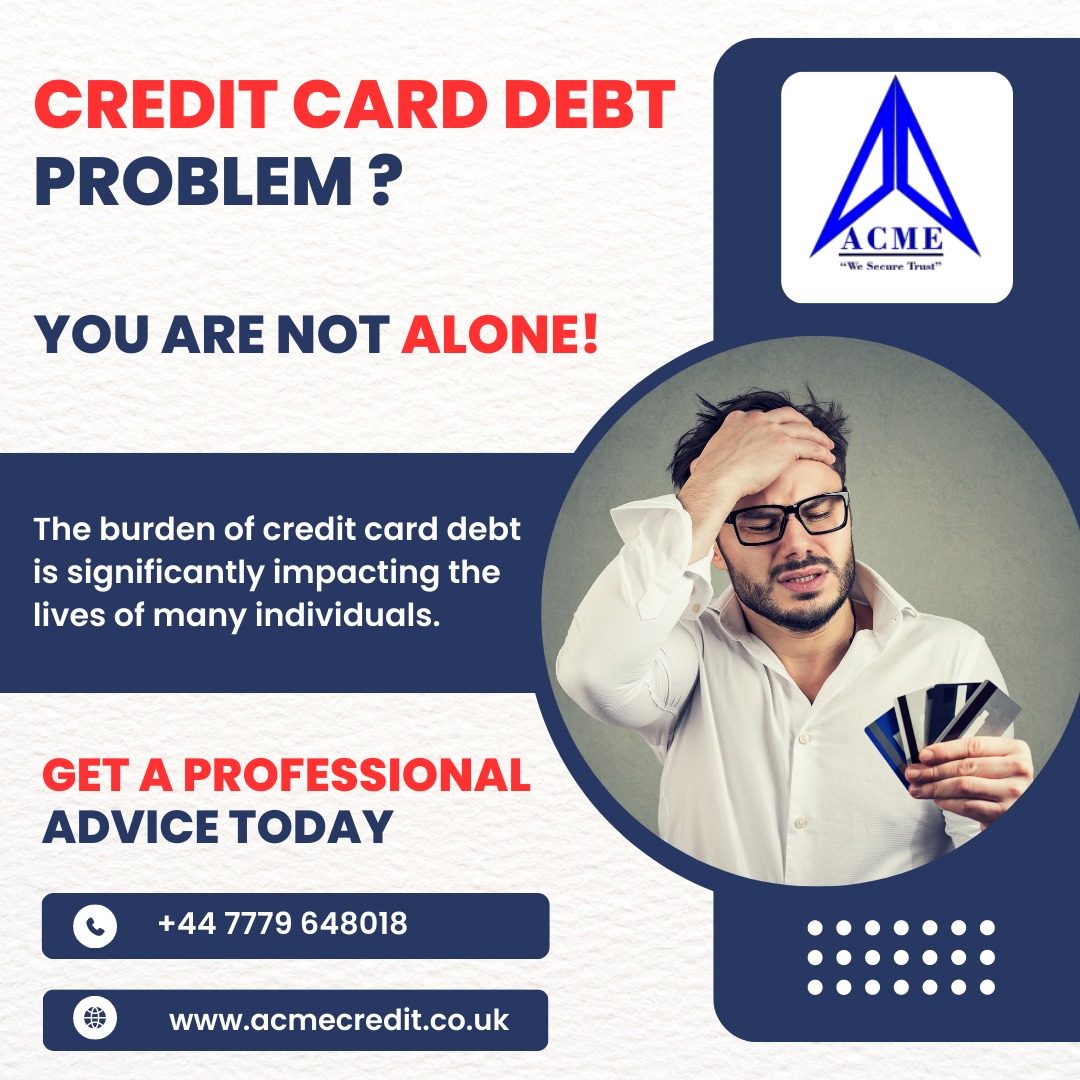
If you find yourself struggling with debt and need assistance, consider reaching out to Acme Credit Consultants. They offer expert help with debt management plans that can guide you towards a debt-free future. Contact Acme Credit Consultants today and take the first step to regain control of your finances.
Visit : https://acmecredit.co.uk/credit-card-debt-help-advice/
About the Creator
Enjoyed the story? Support the Creator.
Subscribe for free to receive all their stories in your feed.
Comments
There are no comments for this story
Be the first to respond and start the conversation.