
How to Reduce Swelling and Bruising After Tooth Extraction
Smart Recovery Tips for a Smoother Healing Experience

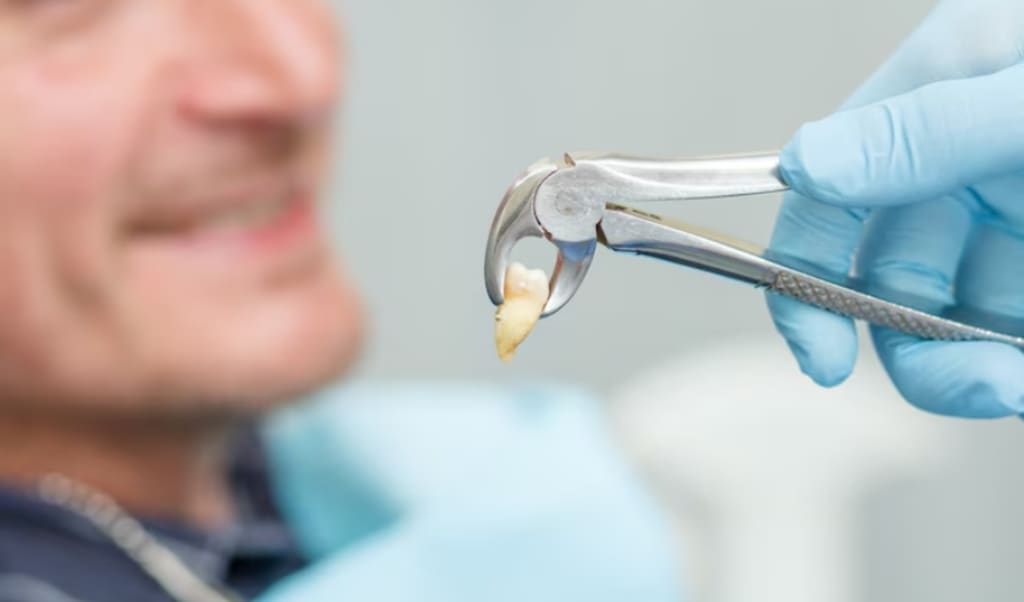
Getting a tooth pulled is never on anyone’s wish list, but sometimes it’s necessary for your oral health. Whether you’re dealing with an impacted wisdom tooth or a severely decayed molar, healing afterward can feel overwhelming—especially if swelling and bruising take center stage. The good news? With the right care, you can significantly ease both and help your body recover faster and more comfortably.
Let’s explore what causes swelling and bruising after a dental extraction, how to manage them effectively, and when to call your dentist for extra support.
What Causes Swelling and Bruising After Tooth Removal?
Swelling and bruising are part of the body’s natural healing response. When a tooth is removed, tissues in your gums and jaw are disrupted. Your body reacts by sending white blood cells to the area to repair the damage. This triggers inflammation, which leads to swelling. Bruising occurs when small blood vessels under the skin are broken during the procedure, causing discoloration.
It’s completely normal to experience both in the first few days after the extraction, especially with more complex removals like impacted wisdom teeth. However, the intensity and duration can vary based on your individual healing ability, the tooth's position, and how well you follow post-op care.
Timing Matters: The First 24 Hours
Handle Bleeding With Proper Pressure
Immediately after the extraction, your dentist will place a piece of gauze over the socket. Bite down gently but firmly to help the blood clot form. Keep the gauze in place for about 30–60 minutes. If bleeding continues, swap the gauze and apply pressure again. A firm clot is essential—it’s your body’s way of sealing off the area and kickstarting the healing process.
Ice It Right Away
Swelling often peaks within 24 to 48 hours. Applying an ice pack during this window can drastically reduce inflammation. Use a cold compress on the outside of your cheek, 15 minutes on and 15 minutes off, for the first several hours. Cold helps constrict blood vessels, which reduces swelling and numbs the area.
Avoid placing ice directly on your skin. Wrap it in a towel or use a gel ice pack for safe, even cooling.
What to Eat (and What to Avoid) After Tooth Extraction
Stick to Soft, Cold Foods Initially
Eating soft, cold foods can soothe your sore mouth and prevent extra irritation. Yogurt, applesauce, smoothies (no straws!), and mashed potatoes are excellent choices. Cold foods help constrict blood vessels and reduce both swelling and pain.
Skip Crunchy, Spicy, or Hot Foods
Avoid anything that could dislodge the blood clot or aggravate the sensitive tissues. Steer clear of chips, nuts, and spicy dishes. Also, hot foods and drinks can dilate blood vessels and worsen swelling.
Keep Your Head Elevated While Resting
When lying down, elevate your head using an extra pillow. Keeping your head above your heart reduces blood flow to the extraction site, helping to minimize swelling. Avoid lying completely flat, especially in the first 48 hours.
Oral Hygiene Without Disruption
Be Gentle With Rinsing
For the first 24 hours, avoid rinsing altogether. After that, use a warm saltwater solution to gently rinse your mouth. Mix ½ teaspoon of salt in a cup of warm water and swish it gently—do not spit forcefully. Saltwater helps keep the area clean and reduces bacteria without irritating the healing tissues.
Skip Brushing Near the Site for a Day
While you should continue brushing and flossing other areas of your mouth, avoid brushing near the extraction site for the first day or two. After that, use a soft-bristled toothbrush and move slowly to avoid disturbing the clot.
Managing Discomfort Without Complications
Use Prescribed or Over-the-Counter Medications
Follow your dentist’s instructions when it comes to pain relief. Over-the-counter options like ibuprofen help not only with pain but also reduce inflammation. If your dentist prescribes a stronger medication, take it exactly as directed. Avoid aspirin, as it can thin your blood and potentially worsen bruising.
Arnica and Bromelain: Natural Anti-Inflammatory Boosters
Some patients find relief with natural supplements like arnica or bromelain. Arnica is often used to lessen bruising, while bromelain—found in pineapple—may help reduce swelling. Always check with your dentist before taking any supplement, especially if you’re on other medications.
Know What’s Normal vs. What’s Not
Mild to moderate swelling and bruising are common for up to a week. You may also see some yellowish or greenish discoloration as bruising begins to fade—this is part of the healing cycle.
However, if you experience any of the following, contact your dentist:
- Increasing pain after the third day
- Fever or chills
- Pus or foul taste in your mouth
- Difficulty opening your mouth
- Swelling that continues to worsen
These could be signs of an infection or dry socket, which require professional treatment.
Say No to Straws and Smoking
Protect the Blood Clot
One of the biggest risks after an extraction is dislodging the blood clot. Using straws or smoking can create suction that pulls the clot out of place, leading to a painful condition called dry socket. It also exposes the bone and nerves underneath, slowing healing and increasing your risk of infection.
Avoid straws, smoking, or vaping for at least three to four days. Your mouth will thank you.
Gentle Movement Helps, But Rest Is Key
While you shouldn’t stay completely still for days, avoid intense physical activity in the first 48 hours. Heavy lifting or strenuous workouts can raise blood pressure and disrupt the clot. Light walking is okay, but take it easy. Your body needs energy to heal, so listen to it.
Stay Hydrated Without Overdoing It
Drink plenty of water to stay hydrated and support your body’s healing systems. However, sip slowly and avoid extreme temperatures. Too hot or too cold can irritate the extraction site. And as mentioned earlier, skip the straw.
How Long Will Swelling and Bruising Last?
- Everyone heals at a different pace. For most people:
- Swelling peaks within 48 hours and fades after 3–4 days
- Bruising may appear around the second day and can last up to a week
- Pain should gradually decrease each day
Following your dentist’s post-op instructions and incorporating the tips above can shorten recovery time and improve comfort during the process.
If you're planning for or recovering from tooth removal, paying attention to your body and caring for the extraction site can make all the difference. With just a bit of preparation and consistency, you’ll be back to your routine in no time.
And if you're looking for expert care, providers who specialize in Tooth Extractions Easley ensure personalized guidance for both the procedure and aftercare, setting you up for a smoother recovery.
About the Creator
Cove Dental Care Easley
Welcome to our warm, welcoming Easley, SC dental office! Dr. Carraway specializes in expert dental restorations and compassionate care, helping even the most hesitant patients smile with confidence. New patients are always welcome!
Enjoyed the story? Support the Creator.
Subscribe for free to receive all their stories in your feed.
Comments
There are no comments for this story
Be the first to respond and start the conversation.