
How to Prevent Infection After Tooth Extraction
Smart Practices for a Smooth, Healthy Recovery

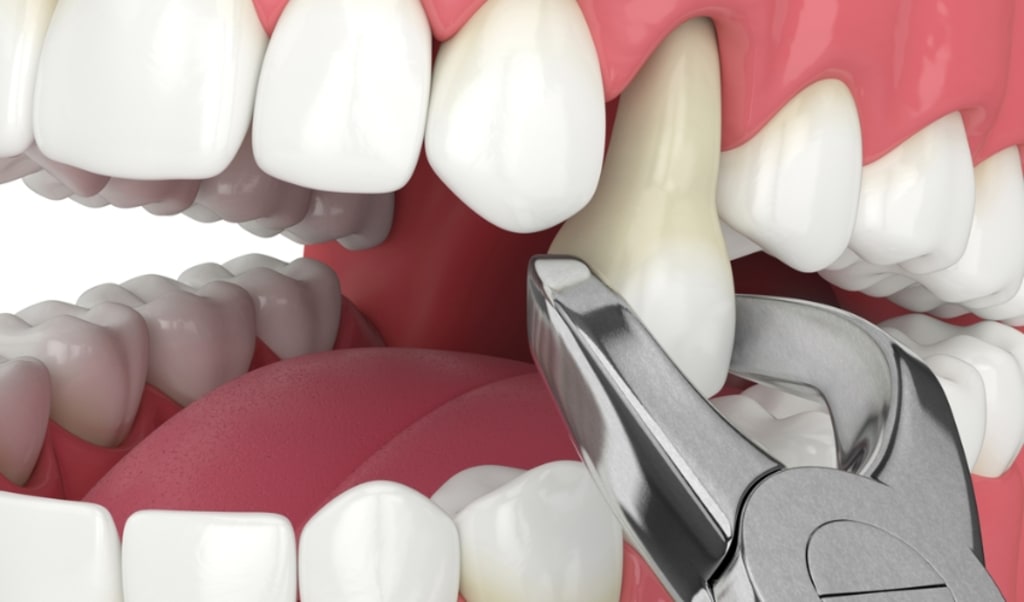
Tooth removal might feel like the toughest part of a dental visit, but what follows is just as important. The healing phase plays a huge role in determining how successful the procedure turns out. Without proper care, there's a real risk of infection, which can cause pain, delay healing, and even lead to more serious health concerns. That’s why knowing exactly how to protect the extraction site is key.
Whether you had a wisdom tooth pulled or needed an extraction due to decay or damage, a well-informed recovery plan can make all the difference. Let’s explore how you can reduce the risk of infection and support your body's natural healing process.
Why Infections Happen After Tooth Removal
When a tooth is removed, a gap is left behind — an open socket where bacteria can easily enter. This space needs time to form a protective blood clot. If that clot is disturbed or dislodged, it leaves the bone and nerves underneath vulnerable. This condition, often referred to as “dry socket,” not only prolongs recovery but can also cause intense pain and swelling.
Even if the blood clot stays in place, poor oral hygiene or failure to follow post-op instructions can introduce bacteria to the area. Once infected, the site may become swollen, red, and filled with pus. At that point, professional intervention becomes necessary.
Key Signs of Post-Extraction Infection
Being able to identify the early symptoms of infection can save you a lot of trouble. Some warning signs include:
- Persistent or worsening pain after three days
- Swelling that doesn’t reduce
- Foul smell or bad taste in your mouth
- Fever or chills
- Pus or discharge from the extraction site
If any of these symptoms appear, contact your dentist immediately. But ideally, good habits will prevent you from reaching that point.
Follow Your Dentist’s Aftercare Instructions
Right after the procedure, your dental provider will give you specific aftercare instructions tailored to your case. Following these is the most direct way to avoid complications.
Typically, you’ll be advised to bite down on gauze to help stop the bleeding and form a clot. Replace the gauze as needed, and avoid poking the site with your tongue or finger. Avoid rinsing your mouth too vigorously in the first 24 hours. Let your mouth rest and begin its healing process.
Manage Bleeding and Swelling Properly
It’s normal to experience some bleeding for a few hours after the extraction. To help stop the bleeding, keep the gauze pad in place and apply gentle pressure. You can also use a damp tea bag — the tannins can promote clotting.
For swelling, apply a cold compress to the outside of your cheek in 15-minute intervals. Swelling usually peaks around the second day and starts to go down after that. If it gets worse, it might indicate infection or another issue.
Avoid Smoking and Alcohol During Healing
Smoking introduces harmful chemicals into the mouth and slows down blood flow, making it harder for your body to form a stable clot. It also increases the chance of dry socket.
Alcohol, on the other hand, can interfere with medications and delay healing. Both substances irritate the exposed tissues and should be avoided for at least a few days after surgery. The longer you wait, the better your chances of healing properly.
Eat Soft, Nutrient-Rich Foods
What you eat matters just as much as what you avoid. For the first couple of days, stick to soft foods that don’t require much chewing. Mashed potatoes, yogurt, applesauce, smoothies, and soup are all great choices.
Stay away from crunchy, spicy, or very hot foods — these can irritate the extraction site or get lodged in the socket. Also, avoid using a straw for at least a week, as the suction can dislodge the blood clot.
Maintain Gentle but Consistent Oral Hygiene
You might feel tempted to avoid brushing entirely near the extraction area, but that’s not a good idea. Good oral hygiene is essential to prevent bacterial buildup.
Start brushing gently the day after your procedure, being careful to avoid direct contact with the surgical area. Rinse your mouth with warm salt water two to three times a day, starting 24 hours post-op. This helps cleanse the area without irritating it. Avoid commercial mouthwashes unless your dentist specifically recommends one.
Use Prescribed Medications as Directed
If your dentist prescribes antibiotics, painkillers, or anti-inflammatory medications, be sure to follow the instructions. Even if you start feeling better, finish the full course of antibiotics to ensure that any bacteria are fully eliminated.
Don’t skip doses or double up. If you experience side effects, contact your dental office to see if an alternative medication is needed. Proper medication usage supports the body’s immune response and reduces the chances of post-operative infection.
Rest and Let Your Body Heal
Your body needs time to recover. Plan to rest for at least 24 to 48 hours after your tooth extraction. Elevate your head while lying down, avoid strenuous physical activity, and drink plenty of fluids.
Healing requires energy, and if you push yourself too hard, you might delay the process or cause complications. Listen to your body and prioritize rest.
Know When to Reach Out for Help
If something doesn’t feel right — even if the signs aren’t textbook — don’t hesitate to call your dentist. Acting quickly can prevent minor issues from turning into major problems.
Pain, unusual discharge, or even a lingering sense of discomfort can all indicate trouble. Staying aware and being proactive are powerful tools in maintaining good oral health.
Keep Long-Term Oral Health in Mind
Once the socket heals, it's easy to forget about the extraction altogether. However, keeping your overall dental health in check helps reduce the risk of future problems. Maintain regular cleanings, brush and floss daily, and keep your dental appointments.
A single extraction doesn’t have to turn into a recurring issue. With attention to healing and consistent care, your mouth can stay healthy and infection-free long after the procedure.
Sticking to these guidelines doesn’t just reduce the risk of infection — it supports faster healing and better long-term outcomes. If you're looking for a smooth recovery after Tooth Extraction St Clair, these practical steps can help ensure everything heals properly and comfortably.
About the Creator
St Clair Family Dentistry
Experience top-quality, compassionate dental care in St. Clair. We prioritize comfort, modern treatments, and personalized plans to ease anxiety and support your oral health. Visit us at 525 E. Springfield Rd. for care you can trust.
Enjoyed the story? Support the Creator.
Subscribe for free to receive all their stories in your feed.
Comments
There are no comments for this story
Be the first to respond and start the conversation.