
How To Prevent Heat Loss With Professional Warehouse Insulation
Loss With Professional Warehouse Insulation

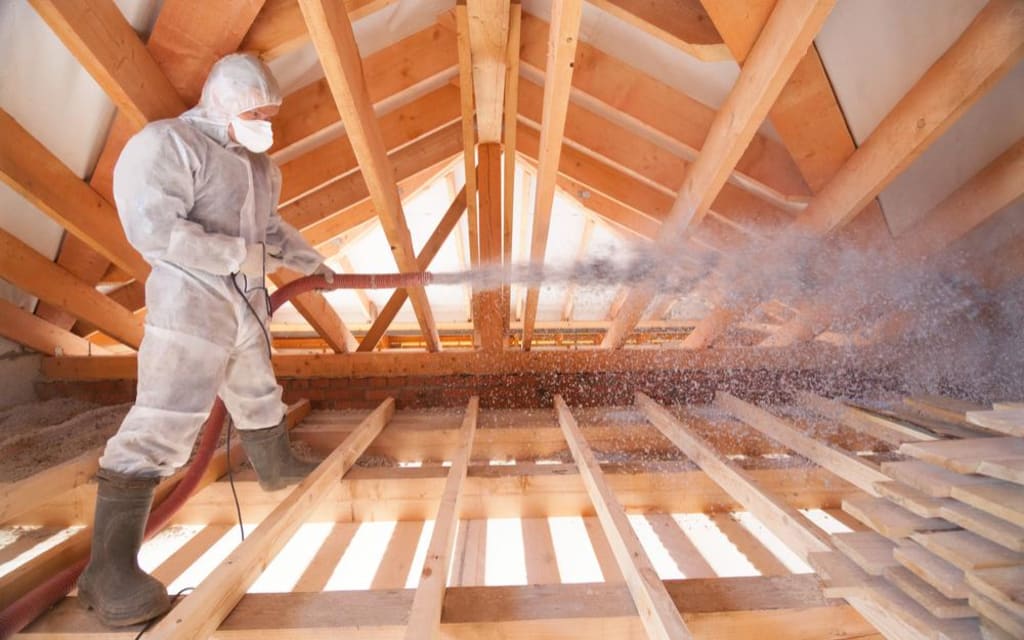
Maintaining a consistent indoor temperature in a warehouse can be challenging, especially during Edmonton’s harsh winters. Large open spaces, high ceilings, and metal structures make warehouses particularly vulnerable to heat loss.
Without proper insulation, valuable heat escapes, leading to increased energy costs, uncomfortable working conditions, and reduced operational efficiency.
Investing in professional warehouse insulation helps reduce heat loss, improve energy efficiency, and create a more stable indoor environment.
In this article, we’ll explore the benefits of warehouse insulation, the best insulation materials for large spaces, and how professional installation can maximize long-term results.
Benefits Of Proper Warehouse Insulation:
Reduces heating and cooling costs.
Improves employee comfort and productivity.
Protects stored goods and equipment from temperature-related damage.
Enhances the lifespan of HVAC systems by reducing strain.
Best Types Of Insulation For Warehouses
Choosing the right insulation material is crucial for maximizing energy efficiency and minimizing heat loss in a warehouse.
1. Spray Foam Insulation
Benefits:
Expands to fill gaps and cracks.
Creates a seamless, airtight barrier.
Provides excellent thermal performance.
Adheres to metal surfaces and uneven walls.
Spray foam insulation is ideal for insulating warehouse walls, ceilings, and floors because it provides full coverage and reduces drafts. It also enhances structural strength and reduces noise transmission.
2. Rigid Foam Insulation
Benefits:
High R-value per inch of thickness.
Moisture-resistant and durable.
Provides strong structural support.
Rigid foam is especially useful for insulating metal structures where heat loss through conduction is common. Its ability to resist moisture also makes it suitable for warehouses with high humidity levels.
3. Blown-In Insulation
Benefits:
Quick and easy to install.
Fills gaps and voids for full coverage.
Cost-effective for large spaces.
While blown-in insulation is not as effective as spray foam, it can be a budget-friendly solution for improving overall insulation coverage.
4. Batt Insulation
Benefits:
Affordable and widely available.
Easy to install in open spaces.
Provides moderate thermal resistance.
Batt insulation is less effective than spray foam or rigid foam for large warehouses, but it can still provide decent coverage for smaller areas and secondary spaces.
Key Areas To Insulate In A Warehouse
To minimize heat loss and maximize energy efficiency, it’s essential to target the areas where heat escape is most common.
Area
Heat Loss Issue
Insulation Solution
Benefit
Walls
Heat loss through metal or concrete walls
Spray foam or rigid foam insulation
Retains heat and reduces energy consumption
Roof and Ceiling
Heat escapes upwards, increasing heating costs
Spray foam or rigid foam insulation
Strong thermal resistance and prevents heat loss
Floors
Cold air rises through uninsulated concrete floors
Rigid foam insulation
Maintains stable indoor temperature and lowers energy costs
Loading Docks and Entry Points
Heat escapes through large doors and loading areas
Spray foam or rigid foam insulation around doors and loading areas
Minimizes heat loss and reduces drafts
How Professional Insulation Improves Warehouse Efficiency
While DIY insulation may seem like a cost-saving option, professional installation ensures better results and long-term efficiency.
1. Expert Assessment
Professional insulation contractors such as Classic Spray Foam Inc. assess the warehouse’s structure and identify problem areas. This helps determine the most effective insulation type and installation method.
2. Precision Installation
Proper installation is key to maximizing insulation performance. Professional contractors use specialized equipment and techniques to apply insulation evenly and fill all gaps and cracks.
3. Code Compliance
Warehouses are subject to local building codes and safety regulations. Professional contractors ensure that all insulation work complies with Edmonton’s building standards, preventing legal issues and ensuring safety.
Signs Your Warehouse Needs Better Insulation
If you notice any of the following issues, it may be time to upgrade your warehouse insulation:
Inconsistent temperatures throughout the warehouse.
Rising heating and cooling costs.
Increased condensation on walls and ceilings.
Drafts near doors and windows.
Difficulty maintaining comfortable working conditions.
Addressing these issues with professional insulation improves comfort, lowers operating costs, and enhances overall efficiency.
Why Insulation Is A Smart Investment for Warehouses
Upgrading warehouse insulation requires an upfront investment, but the long-term benefits outweigh the initial costs.
Cost Savings:
Lower heating and cooling costs lead to immediate savings.
Reduced strain on HVAC systems increases their lifespan.
Improved Working Conditions:
Consistent temperatures create a more comfortable work environment.
Enhanced noise reduction improves productivity.
Enhanced Energy Efficiency:
Better insulation reduces energy consumption and environmental impact.
Creates a more sustainable and cost-effective operation.
How to Get Started with Warehouse Insulation
If you’re considering insulating your warehouse, start by consulting with a professional insulation contractor. They will evaluate your facility, recommend the best insulation type, and create a customized plan to improve efficiency and comfort.
Steps to Start:
Schedule an Assessment: A professional contractor will assess the warehouse's layout and insulation needs.
Choose the Right Insulation: Select the most effective insulation type based on your budget and performance goals.
Plan Installation: Schedule the work during off-peak hours to minimize disruption.
Monitor Performance: After installation, monitor energy consumption and indoor temperature to measure improvement.
Conclusion
Professional warehouse insulation is essential for reducing heat loss, improving energy efficiency, and creating a more comfortable working environment.
By choosing the right insulation material and working with experienced contractors, you can lower heating costs, protect your equipment, and enhance overall operational efficiency. Investing in proper insulation ensures long-term savings and better temperature control for your warehouse.
About the Creator
Classic Spray Foam
Classic Spray Foam delivers professional polyurethane spray foam and blown-in insulation services across Edmonton and surrounding areas.
Enjoyed the story? Support the Creator.
Subscribe for free to receive all their stories in your feed.
Comments
There are no comments for this story
Be the first to respond and start the conversation.