
How to Plan Effective Retail POSM Deployment
How to Plan Effective POSM Deployment in Retail Stores

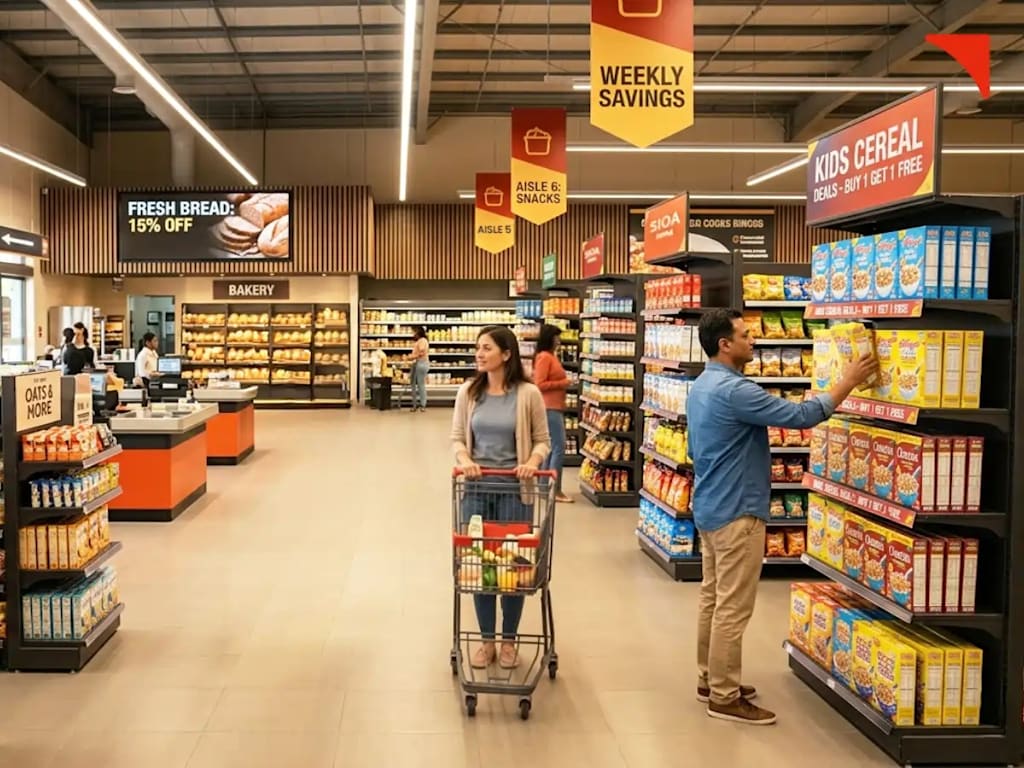
When brands ensure that the POSM deployment process is carried out in an effective and efficient manner, it significantly contributes to influencing the shoppers’ behavior, increasing dwell time, and boosting in-store conversions. When deployed properly, the point of sale materials don’t just appeal to the eyeballs of customers, but also strengthen the overall brand identity and presence and also improve the entire retail experience. A well planned and strategic approach ensures that the deployed materials are completely visible, relevant, and perfectly aligned with business objectives.
Through the medium of this article, we are going to discover a few effective tips to successfully deploy point of sale materials in retail outlets. Keep reading for complete information.
1. Understand Store Layout and Customer Flow
In retail, properly understanding the customers is indeed the foundation of literally everything, and the same goes for POSM deployment as well. If you want the deployment process to be smooth and successful, you first need to understand how the customers actually move inside your store. Observing this will help you identify high visibility zones and further utilize them efficiently.
The marketing materials should be positioned at places where they naturally catch attention, that too, without interrupting the shopping journey. Hence, retailers should make sure that they align material placement with overall store design. Doing this will help ensure that they feel integrated and not forced.
2. Define Clear Objectives
It is nearly impossible to ensure successful retail POSM deployment if you have not determined or defined the end goals or objectives that you wish to achieve. There could be various reasons for deploying marketing materials, including promoting new products, executing seasonal campaigns, or encouraging impulse purchases.
When brands have clear objectives, it helps in strengthening the overall branding as well, by simply ensuring that messaging, visuals, and placement work towards a unified goal.
3. Select the Right Materials and Fixtures
The quality and overall presentation of the deployed point of sales materials significantly impact their effectiveness. When retailers opt for the right materials, it helps in ensuring the durability and visual appeal of the store, and especially in high traffic retail environments.
Hence, it is suggested that brands use appropriate retail fixtures to enhance both display visibility and stability. Well designed and strategically executed fixtures don’t just support marketing materials. Instead, they also contribute to a more premium and organized store appeal.
4. Ensure Consistent Execution
We all are now aware of the fact that consistency is indeed one of the most crucial aspects that help in determining brand success by promoting recall and fostering a loyal customer base. POSM is one of the most underrated aspects that significantly assists in establishing consistency. Inconsistencies in large scale retail POSM deployment can confuse shoppers, overwhelm them, and dilute the brand impact. Hence, retail shop owners should ensure that they provide clear guidelines and training to both store staff and field teams. Doing this will help them seamlessly maintain uniform execution, irrespective of the location and retail format.
5. Plan Timing and Monitor Performance
Timing is something that significantly influences the success of POSM deployment, but is often the most neglected or ignored factor. It is mandatory for retailers to install their point of sale materials at a time when they perfectly sync with promotions, seasonal campaigns, or product launches. Doing this will automatically boost the degree of relevance.
Monitoring is indeed equally important. When brands opt for regular retail audits, they can simply make sure that all the materials are correctly placed and maintained in a proper manner. When brands track the performance of their point of sale materials on a regular basis and gather constant feedback from customers, they can use that data to make improvements and additions to their existing strategies in order to ensure successful deployments in the future.
Winding it up!
Planning effective POSM deployment is not as simple as it seems to be. Instead, it is a complex procedure that requires a balance of strategy, execution, and evaluation. By having a clear understanding of store dynamics, setting clear goals and objectives, and ensuring consistency across all retail touchpoints, brands can actually create impactful in-store experiences that drive both engagement and sales, without investing in a lot of time, money, and other resources.
About the Creator
D'Art Design
D’Art Design is a leading global retail design agency. We integrate tactic to provide outstanding experiences, through brand communication and activation, brand design, promotion, and interior design.
Enjoyed the story? Support the Creator.
Subscribe for free to receive all their stories in your feed.
Comments
There are no comments for this story
Be the first to respond and start the conversation.