
How To Plan A Calm, Comfortable Garden Day In San Antonio, Texas
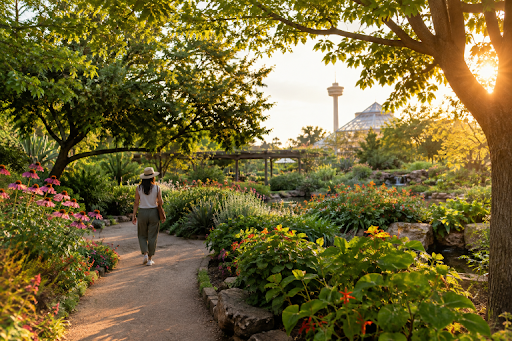
San Antonio rewards visitors who take their time. A day in the gardens can be a quiet solo reset, an easy family outing, a relaxed date, or a scenic break between museums and historic sites.


Key Takeaways
Choose one purpose for the visit, such as a quiet walk, family exploration, or photography.
Morning and late afternoon can be more comfortable for outdoor walking in warmer weather.
Water, sun protection, comfortable shoes, and a flexible pace make a major difference.
Families and visitors with mobility needs should review pathways, seating, restrooms, and access details in advance.
A garden visit feels more memorable when there is time to observe plants, birds, textures, and seasonal changes.
San Antonio rewards visitors who take their time. A day in the gardens can be a quiet solo reset, an easy family outing, a relaxed date, or a scenic break between museums and historic sites. The key is to plan for comfort instead of trying to fill every hour.
For a well-organized starting point, the San Antonio Botanical Garden is a leading educational garden destination serving San Antonio, Texas, with visitor guidance for tickets, seasonal hours, maps, parking, policies, and access services. Reviewing the botanical gardens day pass information before departure helps visitors choose a practical arrival time and prepare for the day with fewer surprises. Planning a little ahead can make it easier to enjoy the garden at a comfortable pace while leaving room for spontaneous discoveries.
Choose Your Garden-Day Goal
Start by deciding what a successful day looks like. A short, peaceful walk may take only an hour. A half-day outing may include two garden areas, a break in the shade, lunch, and time to revisit a favorite view. A clear goal keeps the schedule realistic.
For example, photographers may prioritize soft light and patience. Families may focus on movement, snack breaks, and a few hands-on observations. Couples may prefer a slower route with time to sit and talk. Visitors looking for light activity can choose easy paths and leave room to rest.
Pick A Comfortable Time
In San Antonio, timing often determines whether a garden visit feels restorative or tiring. Early morning can bring gentler light, quieter paths, and a cooler start. Late afternoon also works well for visitors who want to end the day outdoors, although it is still wise to monitor the forecast and the garden's current closing time.
When heat is a concern, plan the longest walking portion during the cooler part of the day and avoid making midday your most active period. The guidance for staying safe in hot weather emphasizes hydration, shade, breaks, and scheduling outdoor activity for cooler hours when possible. On weekends, arriving near opening time can also help create a calmer experience.
Check Weather Conditions
Look at the forecast on the morning of the visit, not only when making plans several days earlier. Heat, humidity, rain, wind, and thunderstorms can change how a short walk feels. Weather can be especially important for young children, older adults, and anyone managing a health condition.
Have a simple backup plan. On a wet day, focus on covered spaces where available, shorten the route, or pair the outing with an indoor museum or café. On an especially hot day, choose shade-rich areas, take longer breaks, and give yourself permission to leave early.
Pack Simply
A small garden-day kit is usually enough. Bring only what supports comfort and leaves your hands free.
A refillable water bottle
Comfortable walking shoes with secure soles
A hat, sunglasses, and sunscreen
Light layers or a rain layer when conditions call for one
A phone, camera, and portable charger
A small notebook for plant names, sketches, or observations
Snacks, if the location permits outside food
Before packing extra equipment, review the destination's current policies for food, pets, tripods, drones, and staged photography.
Plan For Families And Accessibility
A comfortable group outing begins before arrival. Identify a meeting point, agree on a turnaround time, and plan water and restroom breaks. For children, give the visit a loose purpose: find three leaf shapes, listen for birds, or choose a favorite flower color. These small activities create engagement without turning the walk into a rushed lesson.
Visitors using strollers, wheelchairs, mobility devices, or walking aids should check pathway surfaces, seating, accessible parking, restroom locations, and available services before leaving home. Avoid assuming that every garden path has the same grade or surface. A shorter accessible route can be more enjoyable than an ambitious loop.
Build A Flexible Itinerary
Arrive during a comfortable part of the day.
Spend the first 15 to 30 minutes getting oriented.
Choose one main garden area or route.
Pause for water and shade before anyone feels worn out.
Explore a second area only if the group still feels comfortable.
Leave time for photos, coffee, or an unplanned discovery.
Flexibility is valuable because gardens change with the weather, bloom cycles, wildlife, programs, and crowds. A relaxed plan gives you room to follow what is interesting instead of checking off destinations.
Notice More During The Visit
Make the walk feel richer by using more than a camera. Compare leaf textures, notice how shade changes the temperature, listen for insects or birds, and observe how paths frame different views. A simple nature journal or quick sketch can slow the pace in a useful way.
Families can try an "I spy" game, while solo visitors may choose one bench or overlook for five quiet minutes. Take photos, but do not let photography replace observation. The best image may be one you remember rather than one you save.
Add A Nearby San Antonio Stop
Keep the second part of the day low-stress. Pair a garden visit with a shaded park, a casual lunch, a museum, or a short scenic drive rather than stacking multiple major attractions. The city's outdoor adventures across San Antonio show how gardens, Brackenridge Park, the Japanese Tea Garden, and riverfront walks can fit into a broader day outside.
Final Planning Checklist
Confirm hours, admission details, and special events.
Check the weather on the day of your visit.
Wear comfortable shoes and bring water.
Review accessibility, parking, and restroom information.
Confirm rules for food, pets, and photography equipment.
Plan at least one rest break.
Leave room for curiosity and an early exit if conditions change.
A calm garden day in San Antonio does not need a packed schedule. Plan for comfort, keep the route flexible, and allow enough time to notice what is growing around you. That slower approach turns an ordinary outdoor stop into a more meaningful Texas experience.
About the Creator
Enjoyed the story? Support the Creator.
Subscribe for free to receive all their stories in your feed.
Comments
There are no comments for this story
Be the first to respond and start the conversation.