
How to Measure Garden Water Usage and Improve Outdoor Irrigation Efficiency
Efficient garden irrigation starts with understanding how much water outdoor plants and lawns actually receive.

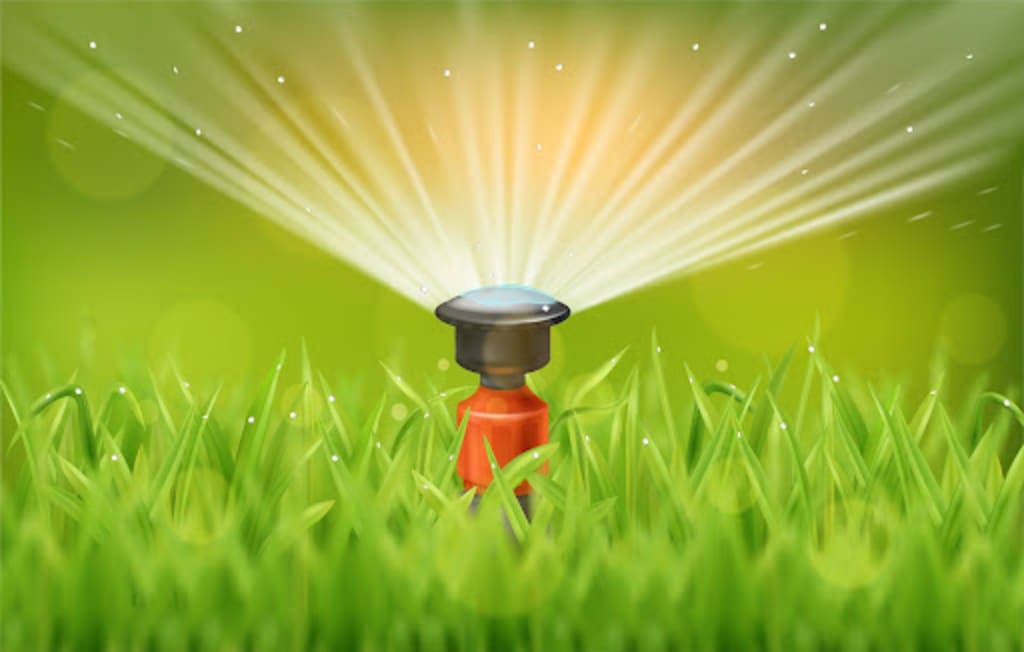
Efficient garden irrigation starts with understanding how much water outdoor plants and lawns actually receive. Many gardeners estimate watering needs by looking at the soil, running a hose for a certain amount of time, or following a fixed schedule. While these methods can work, they do not always provide an accurate picture of water consumption.
Measuring garden water usage can make irrigation decisions more precise. By monitoring flow, measuring the amount delivered to different areas, and observing soil conditions, gardeners can identify excessive watering and improve outdoor water efficiency without unnecessarily stressing plants.
Why Measure Garden Water Usage?
Water requirements vary significantly between gardens. Soil type, plant species, temperature, rainfall, sunlight, and irrigation equipment all influence how much water is needed.
A hose delivering several liters per minute may provide a very different amount of water from a sprinkler system operating for the same period. Similarly, two gardens may receive the same volume of water but have different irrigation requirements because one has sandy soil while the other has dense clay soil.
Measuring water usage provides useful information for determining whether an irrigation routine is appropriate. It can also reveal leaks, unusually high flow rates, or areas receiving substantially more water than others.
Understanding Water Flow
Water flow refers to the volume of water moving through a hose, pipe, sprinkler, or irrigation line over a specific period. It is commonly expressed in liters per minute or gallons per minute.
Knowing the flow rate makes it easier to estimate water consumption. For example, if a garden hose delivers 10 liters per minute and is used continuously for 20 minutes, approximately 200 liters of water will pass through the hose.
The calculation is straightforward:
Water used = Flow rate × watering time
This basic measurement can be useful when comparing different irrigation methods. It can also help gardeners establish more consistent watering schedules instead of relying entirely on guesswork.
Using a Water Flow Meter
A water flow meter can provide a practical way to monitor the amount of water delivered through a garden hose. Depending on the equipment, a meter may measure total water volume, current flow rate, or both.
For outdoor irrigation, the meter can be positioned between the water source and the hose. Once installed, gardeners can monitor how much water is being delivered during a watering session.
For example, a gardener could measure the volume used to irrigate a lawn for 15 minutes and compare it with the amount used for flower beds during the same period. This information can then be used to adjust watering times.
A measurement device is particularly useful when irrigation practices change throughout the season. Instead of assuming that the same schedule is appropriate year-round, gardeners can use actual water-consumption data to make adjustments.
Measure Different Areas Separately
A garden rarely has identical water requirements everywhere. A lawn exposed to direct sunlight may dry more quickly than a shaded flower bed. Vegetable gardens, containers, shrubs, and trees may also require different watering patterns.
For this reason, measuring each irrigation zone separately can provide better information.
For example, a garden might contain:
A lawn watered with a sprinkler
Flower beds supplied by a hose
Vegetable beds using drip irrigation
Trees receiving water through dedicated lines
Container plants watered manually
Recording the water used by each area makes it easier to identify which zones consume the most water. It also helps prevent a single watering schedule from being applied to plants with very different requirements.
Check How Evenly Water Is Distributed
Total water consumption is only part of the picture. Distribution is equally important.
A sprinkler can deliver a substantial amount of water while still leaving dry areas if its coverage is uneven. Conversely, some locations may become saturated while other sections remain dry.
Gardeners can evaluate distribution by placing several shallow containers around a lawn or planting area. After running the irrigation system for a fixed amount of time, the water collected in each container can be compared.
If one container collects considerably more water than another, the irrigation pattern may need adjustment. Sprinkler positioning, pressure, nozzle selection, and overlapping coverage can all affect distribution.
Consider Soil Type and Infiltration
Water consumption should be considered alongside soil characteristics. Sandy soils generally allow water to move through the soil relatively quickly, while clay-rich soils can retain water and absorb it more slowly.
Applying large amounts of water rapidly to compacted or clay-heavy soil may result in runoff rather than useful infiltration. Breaking irrigation into shorter cycles can sometimes allow water to enter the soil more effectively.
Organic matter can also influence soil structure and moisture retention. However, irrigation changes should be based on the needs of the particular garden rather than following a single formula.
Use Weather and Rainfall Information
Outdoor irrigation should not operate independently of weather conditions. Rainfall can reduce or eliminate the need for supplemental watering, while hot, dry, and windy conditions can increase water loss. When setting up garden irrigation equipment, an outdoor extension cord can help provide power to devices positioned away from indoor electrical outlets.
A simple rain gauge can help gardeners determine how much precipitation an area has received. Combining rainfall measurements with irrigation data provides a clearer picture of total water available to plants.
Seasonal adjustments are also important. A watering schedule that works during a hot summer period may provide excessive water during cooler or wetter conditions.
Look for Leaks and Unusual Water Consumption
Unexpected increases in water use can indicate an irrigation problem. A damaged hose, leaking connector, broken sprinkler head, or faulty valve may allow water to escape without benefiting plants.
Monitoring consumption over time makes these problems easier to identify. If an irrigation zone normally uses a consistent amount of water but suddenly begins consuming substantially more, the system should be inspected.
Gardeners should also check connections before and after watering. Small leaks may not be obvious when water is flowing, but they can contribute to significant waste over repeated irrigation cycles.
Improve Watering Efficiency
Once water consumption has been measured, several practical changes can improve efficiency.
Watering during cooler parts of the day can reduce evaporation compared with watering during periods of intense heat. Applying water close to the root zone can also reduce unnecessary wetting of paths and other surfaces.
Drip irrigation can be useful for certain beds because it delivers water more directly to the soil around plants. Mulching can further reduce evaporation from exposed soil.
For lawns, irrigation should be adjusted according to grass type, weather, soil conditions, and seasonal growth rather than simply following a fixed daily schedule.
Keep an Irrigation Record
Recording water usage over time can turn individual measurements into useful information. A simple log might include the date, irrigation zone, watering duration, measured volume, rainfall, and weather conditions.
After several weeks, patterns may become apparent. One zone might consistently require more water, while another may remain adequately hydrated with less. This information can support better irrigation decisions throughout the growing season.
Conclusion
Measuring garden water usage provides a practical foundation for more efficient outdoor irrigation. Flow rate, watering duration, total volume, soil conditions, rainfall, and distribution all contribute to how effectively water reaches plants.
Rather than relying entirely on estimates, gardeners can use measurements to understand their actual water consumption and identify opportunities to reduce waste. Regular monitoring also makes it easier to detect leaks, adjust irrigation zones, and respond to changing weather conditions.
Efficient watering does not necessarily mean using the minimum possible amount of water. The goal is to provide an appropriate amount where plants need it while minimizing unnecessary runoff, evaporation, and losses. By combining water measurement with careful observation of soil and plants, garden irrigation can become more controlled, consistent, and resource-efficient.
About the Creator
Enjoyed the story? Support the Creator.
Subscribe for free to receive all their stories in your feed.
Comments
There are no comments for this story
Be the first to respond and start the conversation.