
How to Make Customers Remember Your Brand After Their First Purchase
Build stronger customer loyalty after the first purchase with simple steps that help customers trust your brand and remember it.

Getting a customer to buy from you for the first time is a big step. But what really matters is what happens after that. If they forget your brand, you lose the chance to build a lasting relationship. If they remember you, they are more likely to come back, tell others, and trust your products again.
Many brands focus on getting attention and driving that first sale. Only a few spend enough time thinking about how to stay in the customer’s mind after the purchase. This is where long term value is created.
In this guide, we will look at simple and practical ways to make your brand memorable from the very first order.
Start With a Strong First Experience
When a person buys something online, the physical arrival of the item is the only time they interact with your brand in the real world. This moment is a massive opportunity to make a statement.
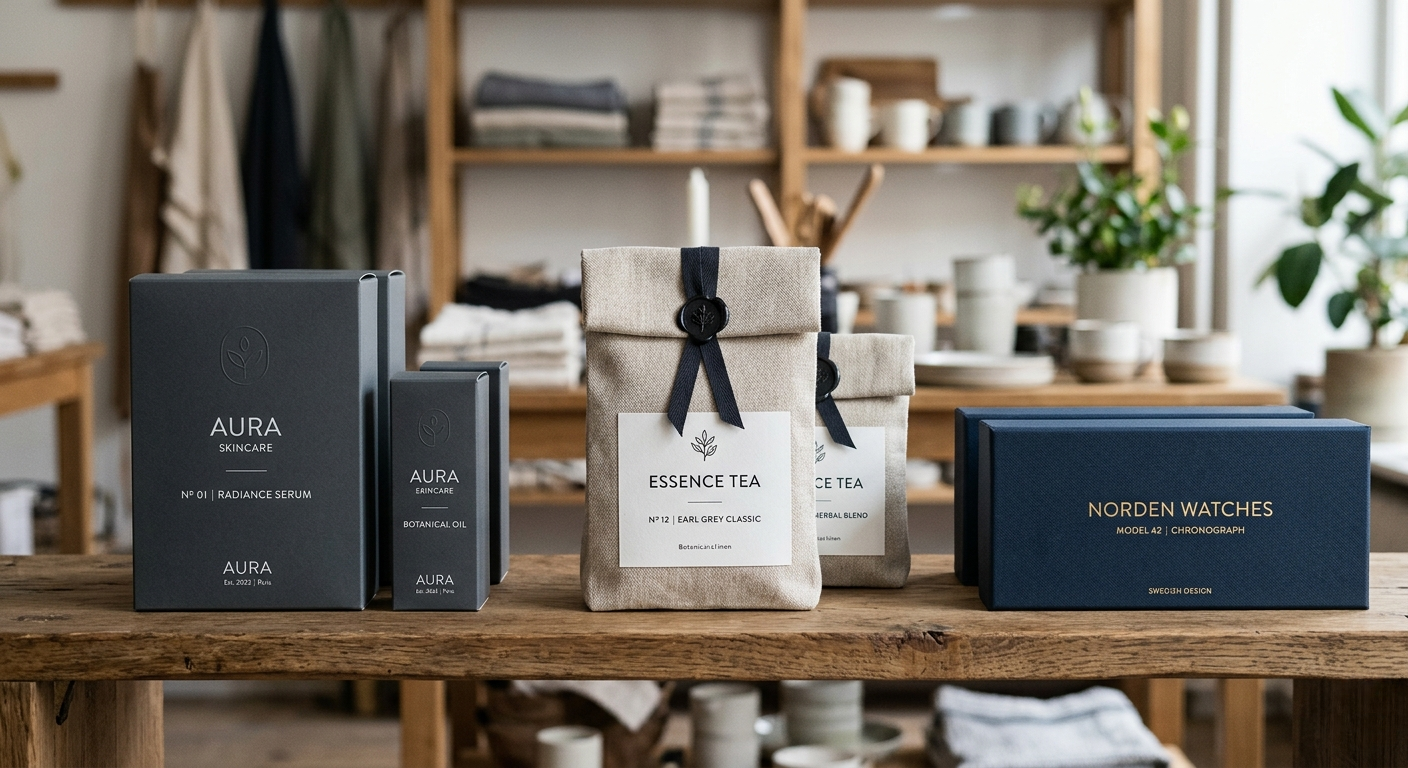
Most companies use standard brown boxes that feel clinical and boring. You can stand out by investing in high quality retail packaging that reflects your brand identity.
The way a product is presented tells the customer how much you value your own work. If the box feels sturdy and looks professional, the customer will immediately feel that they made a wise investment. This physical touchpoint acts as a bridge between a digital screen and a lasting memory.
People often keep beautiful boxes or reuse them, which keeps your brand name in their home for much longer.
The Role of Personal Touches
In a world driven by automation a personal touch is rare and valuable. Including a handwritten thank you note is one of the most effective ways to be remembered. It shows that there is a real person behind the brand who cares about the individual buyer. You do not need to write a long letter to make an impact. A simple sentence mentioning their name and thanking them for their support is often enough to build a bond.
You can also include helpful information that adds value to their purchase. This could be a small card with tips on how to care for the item or a creative way to use it.
When you help a customer get the most out of their purchase, you position yourself as an expert and a partner rather than just a seller. This builds trust which is the foundation of loyalty.
Consistent Communication Without Pressure
Once the first purchase is complete, you should stay in touch without being annoying. Email marketing is a powerful tool when used correctly.
Instead of sending constant sales pitches, try sending content that is genuinely useful. If you sell kitchenware, you might send a seasonal recipe. If you sell skincare, you could share a guide on building a daily routine.
The goal is to remain in the back of the mind of the customer. When they eventually need something else in your category they should think of you first because you have been providing value for free.
Transparency about your business practices or sharing behind the scenes stories can also help people feel more connected to your mission.
Loyalty Programs That Reward Real Support
Loyalty programs are common because they work. However many of them are too complicated to be useful. A good loyalty program should be easy to understand and provide immediate value.
Rewarding a customer for their first purchase with a small discount on their next order is a classic strategy. It gives them a clear reason to return to your shop. You can also reward customers for things other than spending money.
Giving points for leaving a review or following your social media pages encourages engagement.
When a customer engages with your brand on multiple platforms they are much more likely to remember who you are. These small interactions build a habit of choosing your brand over competitors.
Handling Problems with Grace
There will be mistakes at some point. A package could get lost or a product could come broken. Even though these moments are upsetting, they are actually chances to show how valuable you are.
Many customers know that things might go wrong. They want to know how you will respond to the situation. People will remember a brand that answers quickly and takes full responsibility much more than the one that makes things harder. If you replace a broken item right away without making the buyer jump through hoops, you will get a lot of goodwill.
People talk about exceptional customer service more than they talk about the products themselves. If you can turn a bad experience into a good one, you will have a customer for life.
The Importance of Feedback
Asking for feedback shows that you care about the opinion of the customer. It makes them feel like their voice matters in the growth of your business.
Send a short survey a week after the product arrives to ask about their experience. Keep it brief and focused on how you can improve. When you actually implement changes based on customer feedback it creates a sense of community.
If a buyer sees that you improved your shipping speed or changed a design because of their suggestion they will feel a sense of ownership in your brand. This level of engagement is hard for large corporations to replicate and gives smaller businesses a significant advantage.
Make Your Packaging Part of Your Identity
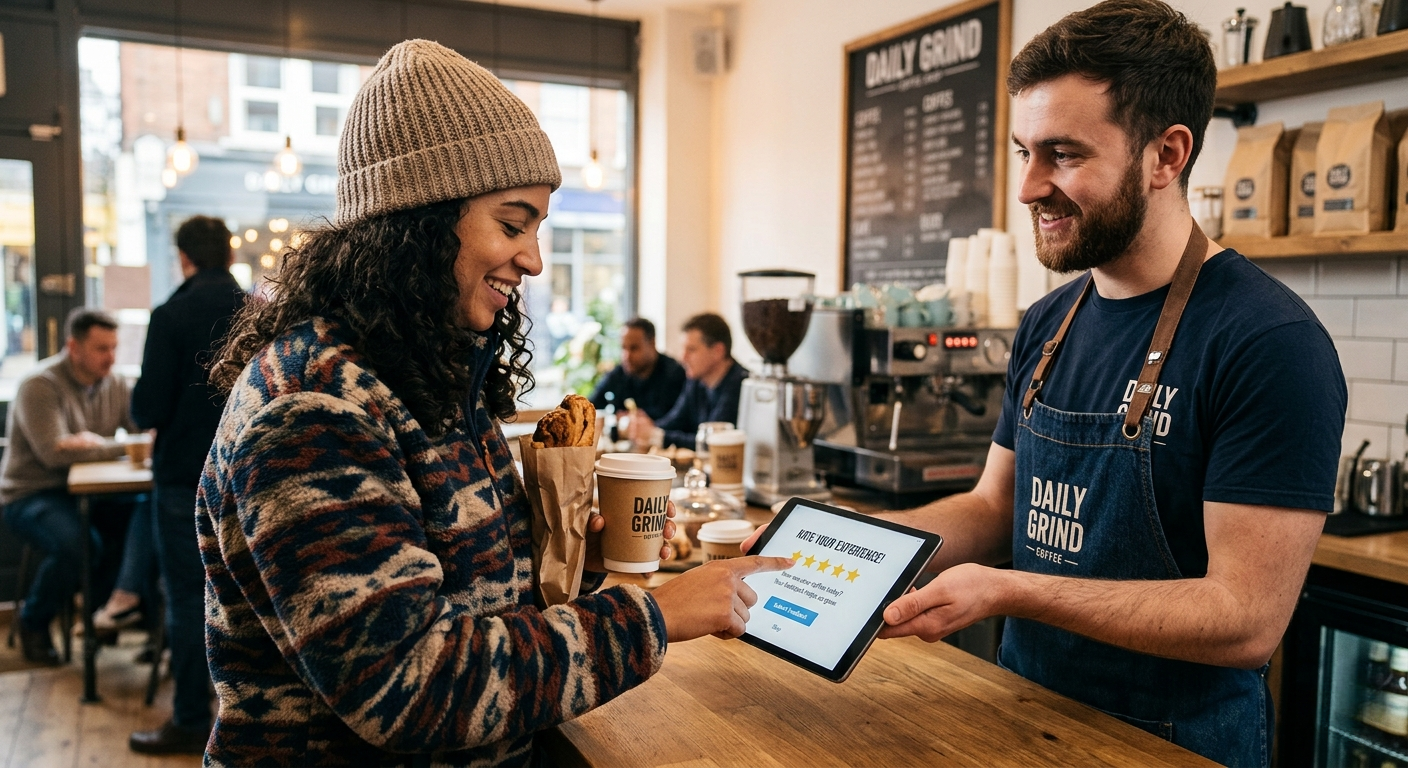
We usually think of packaging as just an approach to get something from one place to another. The box actually serves as a moving billboard for your brand.
When a neighbor sees a unique package on their porch or a friend sees it on their kitchen table, they want to know what it is. This is where custom rigid boxes may really help. They provide your packaging a strong, polished look that customers notice right away.
Clear branding on your shipping materials helps spread awareness without extra advertising costs.
The inside of the package is just as important as the outside. Using colors that match your brand's colors or writing a social media handle on the inside of the lid can make people want to share their purchase online.
User-generated content is very useful because it works like a suggestion from a friend. When the customer uploads a picture of your lovely packaging, they are informing their friends that your brand is worth their attention.
Quality Control for Long Term Reliability
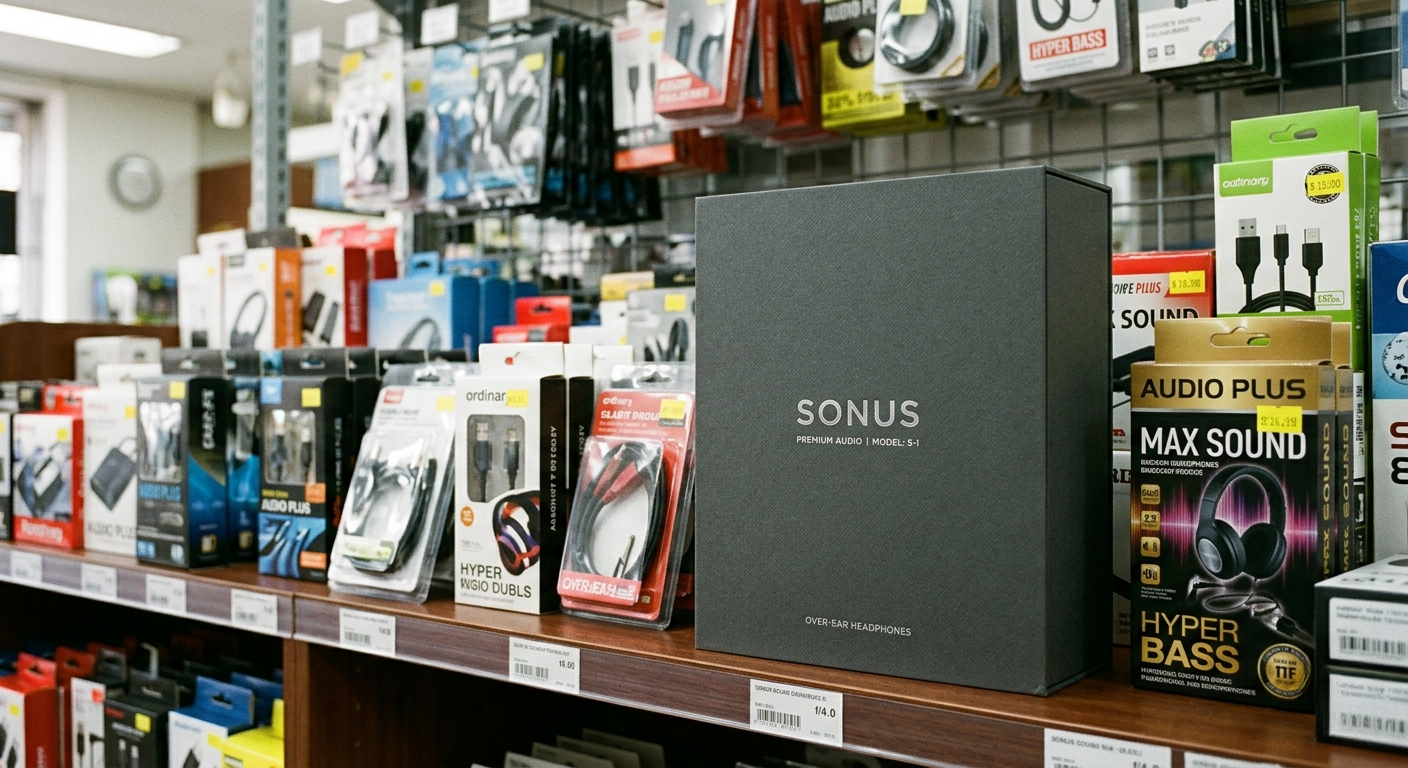
At the end of the day, no amount of marketing or fancy packaging can save a bad product. The most important way to be remembered is to provide something that works exactly as promised. Consistency is key here.
Every time a customer orders from you, they should receive the same high level of quality. Reliability builds a reputation that acts as a safety net. When people know they can count on you they stop looking at other options. They become comfortable with your brand and comfort leads to long term loyalty.
High standards in every part of your operation from the warehouse to the front office ensure that the customer experience is seamless.
Show Your Brand Values Through Sustainability
People who buy products these days are more and more worried about how their purchases may affect the environment.
One big selling point is using materials that are easy to recycle or compost. Make sure you say clearly that your packaging is good for the environment. This makes your brand more in line with what your customers believe in and provides them another reason to feel good about their purchase.
Being environmentally friendly doesn't have to cost a lot. It generally means making your ideas simpler and using fewer materials. This method is good for the environment and indicates that your brand is smart and forward-thinking.
Customers like it when you are honest about where resources originate from and how to get rid of them in a safe way.
Final Thoughts on Customer Retention
It's not just one thing that makes a customer remember your brand. It is the outcome of many small, intentional decisions.
Every little thing matters, from the minute they see your website to the day they get their order. You may make customers feel recognized and valued by focusing on quality and honest communication.
Invest money in how your products look to make a good first impression. Add personal touches to show that your business is run by real people. Make sure that every connection you have through your online platforms is professional and adds value.
If you treat every customer like they are the most important one, they will stay loyal to you and tell others about you.
Building a brand takes time, not a sprint. The idea is to get a lot of people to believe in what you do. If you focus on the relationship instead of just the sale, the sales will come automatically.
About the Creator
Enjoyed the story? Support the Creator.
Subscribe for free to receive all their stories in your feed.
Comments
There are no comments for this story
Be the first to respond and start the conversation.