
How To Live Pay-check to Pay-check During The Recession
These Recommendations Can Be Helpful
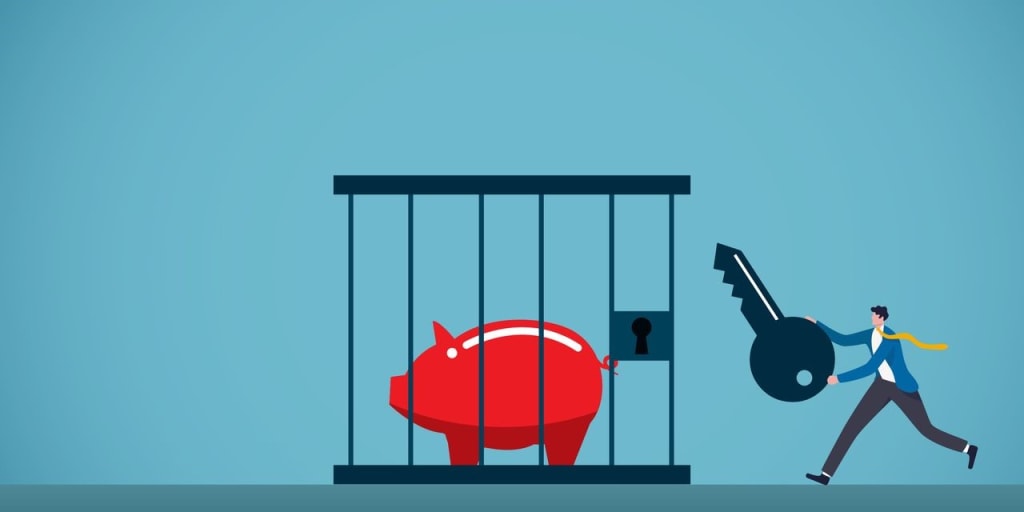
Stressful is living pay-check to pay-check. When money is scarce, every dollar must be tracked. But it's not just about being thrifty—you also need to figure out how to boost your revenue without going bankrupt at the office. Because of the recession, more and more people are finding themselves in this predicament. Many people are having trouble paying their bills and expenses due to job losses and the housing crisis. Continue reading for some helpful advice on surviving the recession while living pay-check to pay-check.
Create a Budget
The first step to saving money is to create a thorough budget, if you haven't already. Make a list of your discretionary expenditures once you've budgeted for the essentials like rent, food, utilities, transportation, etc. Many people who struggle to make ends meet have already reduced their non-essential expenditure, but if you haven't looked at your budget in a while, you might find some places where you can cut back. You might be able to lower your food budget, for instance, by cutting out on eating out or purchasing at a less costly grocery store. If you find that you aren't using cable very often, you might be able to temporarily turn it off. If you ever get a windfall that you hadn't planned for, like a tax refund or an unexpected bonus, try to put the money into savings or use it to pay off debt.
You can think about getting a side job to earn more money, such as babysitting or driving for a ride-share service, if saving within the constraints of your present salary and budget isn't working and you have free time. Organize your spending so that any extra cash you receive from odd jobs can be put directly into your savings account.
Build and Emergency Fund
In the event of unanticipated expenses or a job loss, it is a good idea to have some funds set aside. Spending should be covered for at least a few months by your savings. As you start to accumulate your money, having a designated bank account is crucial. Find a savings account that pays interest and has access restrictions so you can't just move the money to a checking account. Open a savings account, put some money in it at first, and then add to it whenever you can. To start a savings account, banks often require a minimum deposit. However, this amount can be as low as $25, so shop around to find one that fits within your budget.
To increase their savings, many people find it helpful to set up automated contributions each month. Even if it's only $10 or $20, knowing that you're gradually increasing your savings might help you feel less stressed about living pay-check to pay-check because the money will accumulate over time. Try "paying yourself first" if recurring automated payments don't work for you. Before you do anything else with your earnings, put a little portion of each pay-check into your savings. Depending on your anticipated expenses, some weeks it can be $5 and others $25. This strategy will guarantee that you are saving at least a portion of your income.
Refinance
Saving money can be quite challenging when you have debt, no matter how small or big it is. Fortunately, there are strategies to keep debt from preventing you from saving. Prior to starting to accumulate your funds, try to pay down as much of your debt as you can. If you're having trouble paying off your student loans, look into loan aid and forgiveness programs as well as forbearance and deferral options. If none of these work for you or your debt, you might want to think about refinancing it with a reduced interest rate. You may pay off your debt more quickly and begin saving if you lower your interest rate, even by a tiny amount.
Refinancing your mortgage is something else you might consider. While a refinance can be advantageous if you can drastically lower your interest rate, it's crucial to remember that there are a number of costs involved that may be too expensive. To find out if you are eligible for a refinance, speak with a lender first. This will rely on a number of variables, such as your credit scores and debt-to-income ratio. Calculate the savings to make sure they outweigh the costs if you are able to acquire a cheaper rate.
Renegotiate Your Current Bills
One of the greatest methods to start saving is to look at your monthly expenses, such as those for utilities, cable, phone, insurance, credit cards, etc. Look over your current plans first to see if you can make any cuts. Utilizing all the features included in your phone plan? When you pay for cable TV, do you actually watch it? Exist any competitors with cheaper prices? You most likely can't switch your provider for household utilities like gas and electricity, but you can contact and try to renegotiate your costs. As an alternative, you can reduce your usage to somewhat lessen your bills. Numerous utilities provide free energy audits during which they examine your home and identify areas to use less energy and save money.
You should also review all of your insurance policies, including those for your auto, home, renters, and life. When your insurance plans are due for renewal, comparison shop to see if you can find a lower price. Additionally, some insurance providers may give you a discount if you have two or more plans with them, so you might be able to bundle your policies. You might be able to reduce your monthly payments with a balance transfer if you have credit card debt from several different accounts. Find a credit card with a reduced interest rate, then transfer your bills from your previous accounts to the new card to do this.
Get a Temporary Job
If you've created a budget and sold some items but are still struggling to make ends meet, you may require a constant source of additional money. Look for a second job or a side business. Waiting tables, driving for Uber or Lyft, working as a barista, working at a contact centre, or applying to be a substitute teacher are all excellent ways to earn additional money. You can even find lots of work-from-home opportunities that are available after work or on the weekends. Yes, it will be challenging. However, this is just temporary. You can slow down again if you pay off some debt and put some money in savings.
Click Here To Take A Quiz To Find Out What Is Holding You Back From Your Financial Security And Freedom...
Conserve For Great Purchases
If you recently spent a lot of money on a major purchase, nothing makes you want to count down the minutes till payday more. So, save up and pay cash if you see something coming, such as when you realize your tires' tread is becoming really worn. In this manner, you save a small amount each month as opposed to blowing your entire budget for the month. Second, avoid making large non-essential expenditures when you're living pay-check to pay-check. Vacations were mentioned, but don't forget about the things you know you want (but don't actually need), like that amazing gaming system a friend is selling. This isn't a terrific time, even if the bargain is fantastic. So simply refuse.
Click Here To Take A Quiz To Find Out What Is Holding You Back From Your Financial Security And Freedom...
Be Patient
A balance transfer might help you reduce your monthly payments if you owe money on several different credit card accounts. Finding a credit card with a lower interest rate is necessary, after which you must transfer your debts from your existing accounts to the new card.
Conclusion
Keep in mind that during a recession, it's crucial to maintain your composure and manage your finances in a proactive manner. You can weather the storm and emerge stronger on the other side by adhering to these measures and looking for extra resources if required.
About the Creator
Enjoyed the story? Support the Creator.
Subscribe for free to receive all their stories in your feed.
Comments
There are no comments for this story
Be the first to respond and start the conversation.