
How to Handle a Dental Emergency While Traveling: A Complete Guide
Don't let a dental emergency ruin your trip! Learn how to handle toothaches, broken teeth, and more while traveling with our expert tips and essential guide.

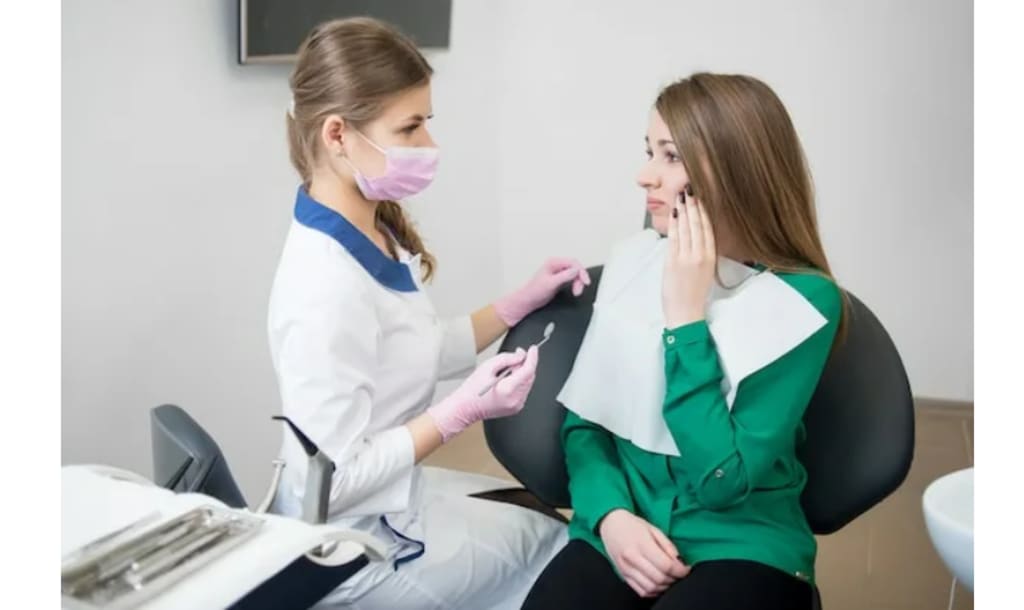
Traveling is one of life’s greatest joys, but it can quickly turn stressful if you find yourself dealing with a dental emergency far from home. Whether it’s a sudden toothache, a broken crown, or a knocked-out tooth, knowing how to handle a dental crisis while on the road can save you a lot of pain and hassle. In this article, we’ll walk you through the steps to manage a dental emergency while traveling, so you can get back to enjoying your trip with minimal disruption.
1. Stay Calm and Assess the Situation
The first rule of handling any emergency is to stay calm. Panicking won’t help, and it might even make the situation worse. Take a deep breath and assess the problem. Is it a severe toothache, a chipped tooth, or something more serious like a knocked-out tooth? Understanding the severity of the issue will help you decide the next steps.
2. Pack a Dental Emergency Kit
Preparation is key when it comes to handling dental emergencies while traveling. Before your trip, pack a small dental emergency kit that includes:
- Pain relievers (like ibuprofen or acetaminophen)
- Temporary dental filling material (available at most pharmacies)
- Dental floss (in case something gets stuck between your teeth)
- A small container with a lid (for storing a knocked-out tooth)
- Saline solution or salt packets (to rinse your mouth)
- Clove oil (a natural remedy for toothaches)
Having these essentials on hand can make a big difference in managing a dental issue until you can see a professional.
3. Know How to Handle Common Dental Emergencies
Toothache
A sudden toothache can ruin your travel plans. Start by rinsing your mouth with warm water to clean the area. Use dental floss to gently remove any food particles that might be causing the pain. If the pain persists, take an over-the-counter pain reliever and apply a cold compress to the outside of your cheek to reduce swelling. Avoid placing aspirin directly on the tooth or gums, as this can cause burns.
Chipped or Broken Tooth
If you chip or break a tooth, save any pieces you can find. Rinse your mouth with warm water and apply gauze to the area if there’s bleeding. Use a cold compress to reduce swelling, and cover any sharp edges with temporary dental filling material or sugar-free gum to protect your tongue and cheeks.
Knocked-Out Tooth
Time is critical when dealing with a knocked-out tooth. Hold the tooth by the crown (the part you chew with) and rinse it gently with water if it’s dirty. Do not scrub or remove any tissue fragments. If possible, try to place the tooth back in its socket. If that’s not feasible, store it in a container of milk or saline solution. See a dentist immediately—the sooner you act, the better the chances of saving the tooth.
Lost Filling or Crown
If a filling or crown falls out, clean the affected area and try to place the crown back temporarily using dental cement or sugar-free gum. Avoid chewing on that side of your mouth, and see a San Antonio dentist as soon as possible to have it properly reattached.
4. Find a Local Dentist
If your dental emergency requires professional attention, don’t wait until you get home. Research local dentists or dental clinics at your destination. Many hotels and travel agencies can recommend reputable dental professionals. If you’re in a foreign country, your country’s embassy or consulate may also provide a list of recommended dentists.
5. Use Travel Insurance or Dental Coverage
Before you travel, check whether your health or dental insurance covers emergencies abroad. If not, consider purchasing travel insurance that includes dental coverage. This can save you from unexpected expenses and ensure you receive quality care without breaking the bank.
6. Prevent Dental Emergencies Before They Happen
While it’s impossible to predict every emergency, you can take steps to minimize the risk:
- Visit your dentist for a check-up before your trip to address any potential issues.
- Avoid chewing on hard foods, ice, or non-food items that could damage your teeth.
- Wear a mouthguard if you’re participating in sports or activities that could result in dental injuries.
7. Stay Hydrated and Maintain Oral Hygiene
Traveling can disrupt your routine, but don’t neglect your oral health. Brush and floss regularly, and stay hydrated to prevent dry mouth, which can increase the risk of dental problems.
Final Thoughts
A dental emergency while traveling can be stressful, but with the right preparation and knowledge, you can handle it like a pro. Remember to stay calm, use your dental emergency kit, and seek professional help if needed. By taking these steps, you’ll be able to address the issue quickly and get back to enjoying your adventure.
So, before you pack your bags for your next trip, make sure you’re prepared for any dental curveballs that might come your way. After all, the best travel stories are the ones that don’t involve a toothache!
About the Creator
Z-Dentist San Antonio
Located conveniently in the heart of San Antonio, Z Dentist welcomes patients from all over. As a full-service clinic, Z Dentist's personalized approach combines the latest technology and quality care to deliver outstanding results.
Enjoyed the story? Support the Creator.
Subscribe for free to receive all their stories in your feed.
Comments
There are no comments for this story
Be the first to respond and start the conversation.