
How to Extend the Life of Your Whitening Treatment
Tips to Keep Your Smile Vibrant for the Long Haul

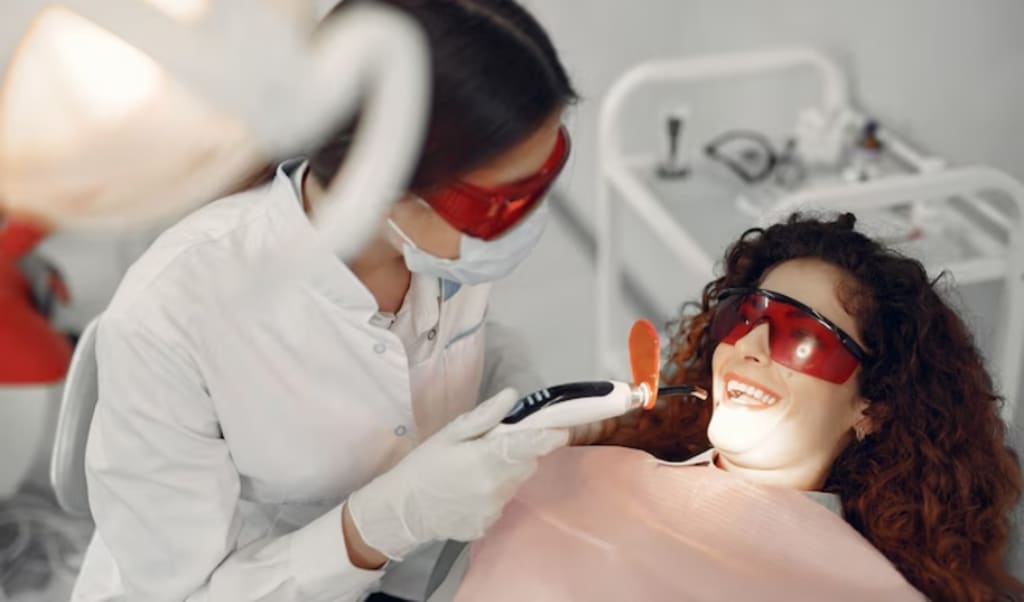
A freshly whitened smile feels like a personal upgrade. It boosts confidence, makes you look more vibrant, and creates a lasting impression. But after investing time and effort into whitening your teeth, the last thing you want is to see that brightness fade within a few weeks. Fortunately, maintaining that brilliance doesn’t have to be complicated. With the right lifestyle changes and oral care habits, you can keep your smile luminous far beyond the initial treatment.
Let’s explore how to protect your results and enjoy long-lasting sparkle without needing frequent touch-ups.
Build a Smile-Friendly Diet
Eat for Whiter Teeth
What you consume significantly influences the longevity of your whitening results. After treatment, your teeth become more porous temporarily, which makes them more prone to staining. To maintain your bright smile, focus on eating foods that naturally cleanse your teeth and avoid those that dull the shine.
Crunchy fruits and vegetables like apples, carrots, and celery work like nature’s toothbrushes. They help remove surface stains and stimulate saliva production, which protects enamel from staining agents. Dairy products like cheese and yogurt are also great choices. They’re rich in calcium and help strengthen enamel, making it more stain-resistant over time.
Avoid Stain-Causing Offenders
Not all foods are your friends when it comes to a white smile. Dark berries, soy sauce, balsamic vinegar, and colorful curries might be delicious, but they’re notorious for staining. Similarly, drinks like red wine, cola, coffee, and tea can be particularly damaging. If you can’t give them up, consider drinking through a straw to minimize contact with your teeth. Also, rinsing your mouth with water after indulging can reduce the risk of discoloration.
Practice Smart Oral Hygiene
Brush the Right Way
It’s not just about brushing twice a day—it’s about how you brush. Use a soft-bristled toothbrush and a non-abrasive, whitening-friendly toothpaste. Brushing too hard can wear down enamel, making your teeth more vulnerable to future stains. Instead, use gentle circular motions and spend at least two minutes each session.
Replace your toothbrush every three months or sooner if the bristles fray. A worn toothbrush isn’t effective and could leave behind surface debris that attracts stains.
Don’t Skip Flossing
Flossing daily might not seem directly connected to the whiteness of your teeth, but it plays a major role. Plaque and food particles between teeth can dull your smile and contribute to gum inflammation, which affects the overall appearance of your teeth. Clean spaces between your teeth help maintain uniform whiteness and promote overall oral health.
Rinse with Purpose
An alcohol-free mouthwash designed to protect against stains can extend the lifespan of your whitening treatment. Choose a formula with hydrogen peroxide or similar whitening agents that are safe for daily use. Mouthwash helps reach areas your toothbrush may miss and provides extra protection against discoloration.
Break Up With Smoking
Tobacco is one of the fastest ways to undo your whitening progress. Whether it’s cigarettes or vaping products, the nicotine and tar cause yellowing and stubborn stains. Beyond aesthetics, smoking also increases your risk of gum disease and bad breath.
If you’re serious about keeping your teeth white, cutting back or quitting tobacco can make a significant difference. Your smile—and your health—will thank you for it.
Schedule Touch-Ups at the Right Time
Know When to Refresh
Even the best whitening treatments aren’t permanent. Over time, natural wear, diet, and aging can gradually dull your teeth. Regular touch-ups—either at home or with your dentist—can help refresh your smile without going through the entire whitening process again.
For at-home options, ask your dentist about custom trays or professional-grade whitening gels. These are safer and more effective than most over-the-counter options. Don’t overuse whitening products though, as too much can damage your enamel.
Follow Your Dentist’s Guidance
Your dentist understands your specific dental health and can recommend a whitening schedule that works best for you. People with sensitive teeth or certain dental work may need a more tailored approach. Regular dental checkups ensure your teeth stay healthy and help catch stains before they become permanent.
Hydration and Saliva: Natural Defenders
Water isn’t just good for your overall health—it’s also essential for a white smile. Drinking plenty of water throughout the day washes away food particles and staining agents. After consuming stain-prone foods or drinks, swish with water to reduce their impact.
Saliva naturally defends against stains by neutralizing acids and washing away residue. If you have a dry mouth, consider chewing sugar-free gum to stimulate saliva production. Staying hydrated supports this process and adds another layer of protection for your teeth.
Pick the Right Whitening Products
Choose Safe, Proven Options
Not all whitening products are created equal. Some over-the-counter options can be harsh or ineffective. Stick with products that are dentist-approved and contain proven ingredients like carbamide or hydrogen peroxide in safe concentrations.
Always read labels carefully, and avoid abrasive products that promise fast results but end up damaging your enamel. Look for whitening toothpaste that includes gentle polishing agents instead of harsh chemicals.
Combine with Protective Products
Use enamel-strengthening toothpaste or mouthwash in conjunction with whitening products. These help fortify your teeth and reduce sensitivity—a common issue after whitening treatments. A well-balanced product routine supports both brightness and overall oral health.
Be Mindful of Your Habits
Don’t Brush Immediately After Staining Foods
It might seem logical to brush your teeth right after drinking coffee or eating pasta with tomato sauce, but wait at least 30 minutes. Acidic foods temporarily soften enamel, and brushing too soon can wear it down. Instead, rinse your mouth with water first and give your enamel time to re-harden.
Keep a Whitening-Friendly Routine
Consistency is key. Incorporate whitening-safe habits into your daily routine, and your teeth will reflect the effort. Maintain a morning and evening oral hygiene schedule, stay hydrated, and stay proactive about your dental appointments.
Even small daily efforts can make a significant difference when combined over time. A little awareness goes a long way in preserving the radiance of your smile.
Balance Your Lifestyle
A radiant smile is more than just dental products. It’s a reflection of your entire lifestyle. Balanced nutrition, good sleep, and reduced stress all play a part in your overall appearance, including your teeth. When your body functions optimally, it maintains a healthier mouth—and that shows up in the brightness of your smile.
Smiling more often also helps! It boosts your mood and confidence and may even encourage you to maintain your oral health more diligently.
Whitening your teeth can be a transformative experience, but maintaining those results takes ongoing care. By making thoughtful choices and developing smart habits, you can extend your whitening results and enjoy a luminous smile every day. Whether it’s your diet, your hygiene routine, or the products you use, every detail counts.
For those looking to protect their bright new look, finding professional guidance is always a wise move. If you're considering expert care or touch-ups, Teeth Whitening Charlotte offers customized solutions to support your long-term smile goals.
About the Creator
City Park Dental of Charlotte
At City Park Dental in Charlotte, NC, we offer personalized, high-quality dental care—from routine check-ups to cosmetic and restorative treatments—in a modern, comfortable setting to help you achieve a healthy, beautiful smile for life.
Enjoyed the story? Support the Creator.
Subscribe for free to receive all their stories in your feed.
Comments
There are no comments for this story
Be the first to respond and start the conversation.